
Does stress urinary incontinence cause leaking urine?
Short answer
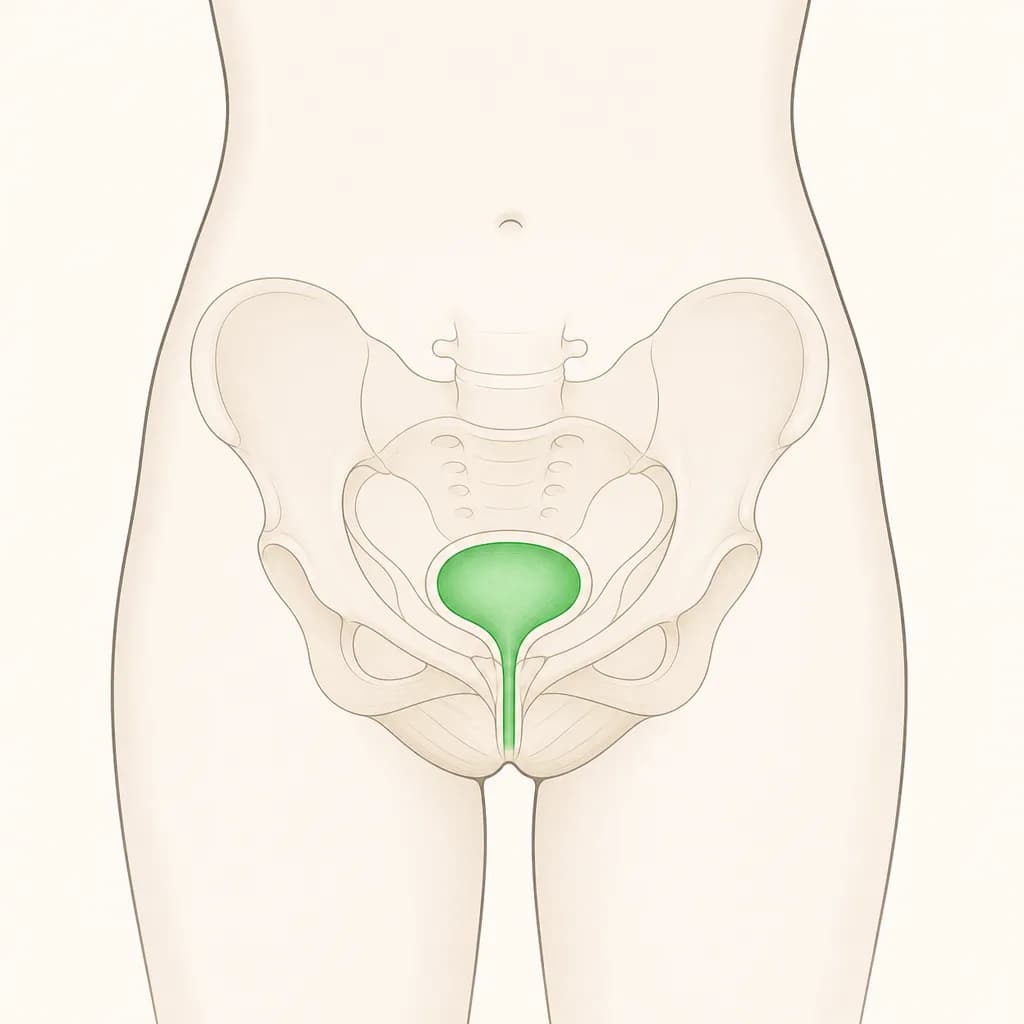
Yes. Leaking Urine is a very common presentation of Stress Urinary Incontinence, which happens when pressure on the bladder temporarily exceeds the support provided by the urethra.
This answers one question. It is not a diagnosis and does not replace an assessment by a licensed doctor.
At a glance
- Typical trigger
- Coughing, sneezing, laughing, exercise or lifting
- Common pattern
- Leakage with pressure and often little warning urge
- Useful first step
- Record triggers, urgency and accompanying symptoms
What the leakage pattern can mean
Stress urinary incontinence typically causes small leaks with coughing, sneezing, laughing, running, jumping, changing position or lifting. The bladder is being squeezed during these activities, while the pelvic floor and urethral support do not close firmly enough to hold all the urine. Leakage often occurs without a strong urge to urinate. It may happen occasionally or interfere with exercise, work, intimacy or everyday routines.
Urine leakage has other possible explanations, including an overactive bladder, a urinary infection, constipation, medication effects or another pelvic-floor problem. The pattern, accompanying symptoms and examination help a clinician distinguish among them.
What you can do next
Track when leakage occurs, what activity triggered it, whether urgency was present, and any drinks or medicines that seemed relevant. This record can make an appointment more useful. A clinician may discuss pelvic-floor muscle training, bladder habits, fluid and caffeine patterns, constipation care, continence products or other treatments suited to your symptoms and health history. Do not repeatedly reduce fluids to avoid leaks; concentrated urine can irritate the bladder.
When to seek medical care
Arrange a medical assessment if leakage is new, persistent, worsening or affecting activities, exercise or sleep. Seek prompt care for blood in the urine, burning with urination, fever, pain in the back or side, or difficulty passing urine. Get urgent help for leakage accompanied by new leg weakness, numbness around the groin, loss of bowel control or severe back pain. These features need assessment because they may point to infection, blockage or a problem involving the nerves.
Questions for your doctor
You could ask: Does my leakage pattern fit stress urinary incontinence? Should I have a urine test or pelvic-floor assessment? Which exercises or treatment options are appropriate for me? Could any medicine, constipation or pelvic health change be contributing? What symptoms should prompt me to seek earlier care?
Find care
General Clinics & Polyclinics in Abu Dhabi
That answer is general. If you want it applied to your own case, these are licensed general clinics & polyclinics listed in Abu Dhabi.
27 Ar Ruwwad St - Shakhbout City - MSH4 - Abu Dhabi - United Arab Emirates
Accepts: Daman, Thiqa, Cigna, MetLife +20 more
Al Ruwais, Al Dhafrah
Accepts: Daman, Thiqa, AXA, Cigna +16 more
Al Bahyah - Al Bahyah Old - Abu Dhabi - United Arab Emirates
Accepts: Daman, Thiqa, Cigna, Allianz Care +18 more
Abu Dhabi
Accepts: Daman, Thiqa, AXA, Cigna +27 more
Ordered by verification status and how complete each clinic's public record is, then alphabetically. This is a directory listing, not a ranking — Zavis does not rate or recommend providers.
A factual listing drawn from the DHA, DOH and MOHAP licence registers. It is not a referral, an endorsement, or advice that any of these providers is right for you.
Questions people ask
Can stress urinary incontinence happen without an urge to urinate?
Yes. Leaks can occur when coughing, sneezing or exercising raises bladder pressure, even when you did not feel a strong urge beforehand.
Should leaking urine be checked by a clinician?
Persistent, new or bothersome leakage deserves an assessment, especially when it comes with burning, blood, fever, pain or difficulty emptying the bladder.
Related
Related reading
Keep reading
Medical disclaimer. This page is general health information, not medical advice, and it cannot diagnose you. Always consult a licensed healthcare provider about your own symptoms and treatment. In an emergency in the UAE, call 998 for an ambulance.