
Does post-operative rehabilitation treat hip fracture?
Short answer
Post-operative rehabilitation does not repair the broken bone itself, but it supports healing by restoring movement, strength, balance and safe independence after hip fracture treatment.
This answers one question. It is not a diagnosis and does not replace an assessment by a licensed doctor.
At a glance
- Main role
- Restores mobility and function after fracture treatment
- Progression
- Guided by the repair, healing and weight-bearing instructions
- Safety
- Use prescribed aids and report a fall or sudden change
What this means
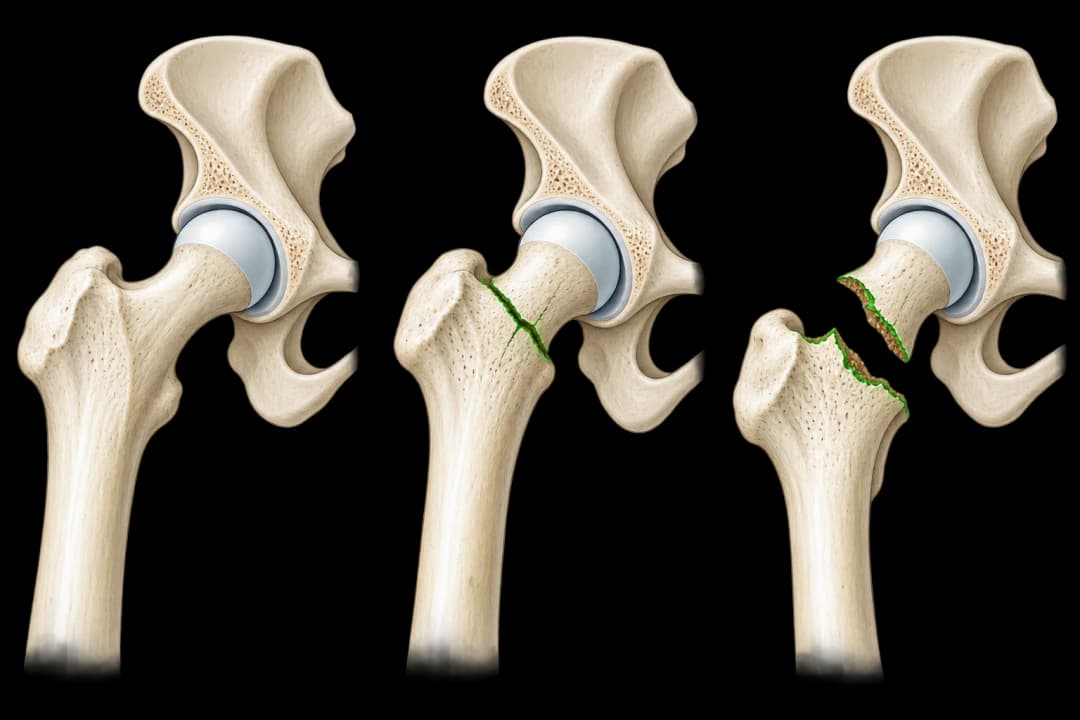
Hip fracture treatment may involve surgery to realign and stabilise the bone, followed by a carefully paced rehabilitation plan. A physiotherapist may work on getting in and out of bed, walking with the permitted aid, bending the hip safely, and rebuilding leg and trunk strength. The programme changes as the bone and surrounding tissues recover. Weight-bearing instructions are specific to the repair, so do not increase walking or exercises because pain has eased.
What to do during recovery
Follow the surgeon’s weight-bearing and wound-care instructions, attend therapy sessions, and practise only the exercises prescribed for your stage. Use the walking frame, crutches or other aid as taught. Keep pathways clear at home and arrange help with bathing, stairs and meals while mobility is limited. Keep follow-up appointments so healing, strength and walking safety can be reassessed.
When to seek care
Contact the surgical team promptly for increasing wound redness, drainage, fever, worsening pain, or a sudden loss of function. Seek urgent help for new chest pain, severe breathlessness, fainting, or a swollen painful calf. A fall or new inability to bear the permitted weight also needs prompt medical assessment.
Questions for your doctor
Ask when you may put weight through the operated leg, which movements to avoid, how to manage pain during exercises, and what level of help is expected at home. Ask how progress will be checked and when walking aids may be reduced.
Find care
General Clinics & Polyclinics in Abu Dhabi
That answer is general. If you want it applied to your own case, these are licensed general clinics & polyclinics listed in Abu Dhabi.
27 Ar Ruwwad St - Shakhbout City - MSH4 - Abu Dhabi - United Arab Emirates
Accepts: Daman, Thiqa, Cigna, MetLife +20 more
Al Ruwais, Al Dhafrah
Accepts: Daman, Thiqa, AXA, Cigna +16 more
Al Bahyah - Al Bahyah Old - Abu Dhabi - United Arab Emirates
Accepts: Daman, Thiqa, Cigna, Allianz Care +18 more
Abu Dhabi
Accepts: Daman, Thiqa, AXA, Cigna +27 more
Ordered by verification status and how complete each clinic's public record is, then alphabetically. This is a directory listing, not a ranking — Zavis does not rate or recommend providers.
A factual listing drawn from the DHA, DOH and MOHAP licence registers. It is not a referral, an endorsement, or advice that any of these providers is right for you.
Questions people ask
Can physiotherapy make the fracture heal?
Physiotherapy does not join the fractured bone, but it helps you regain movement, strength and confidence while the repair heals.
Will I need a walking aid?
Many people use an aid temporarily, with the choice and timing of reduction decided by the treating team.
Related
Related reading
Keep reading
Medical disclaimer. This page is general health information, not medical advice, and it cannot diagnose you. Always consult a licensed healthcare provider about your own symptoms and treatment. In an emergency in the UAE, call 998 for an ambulance.