
Does hyperprolactinaemia cause nipple discharge?
Short answer
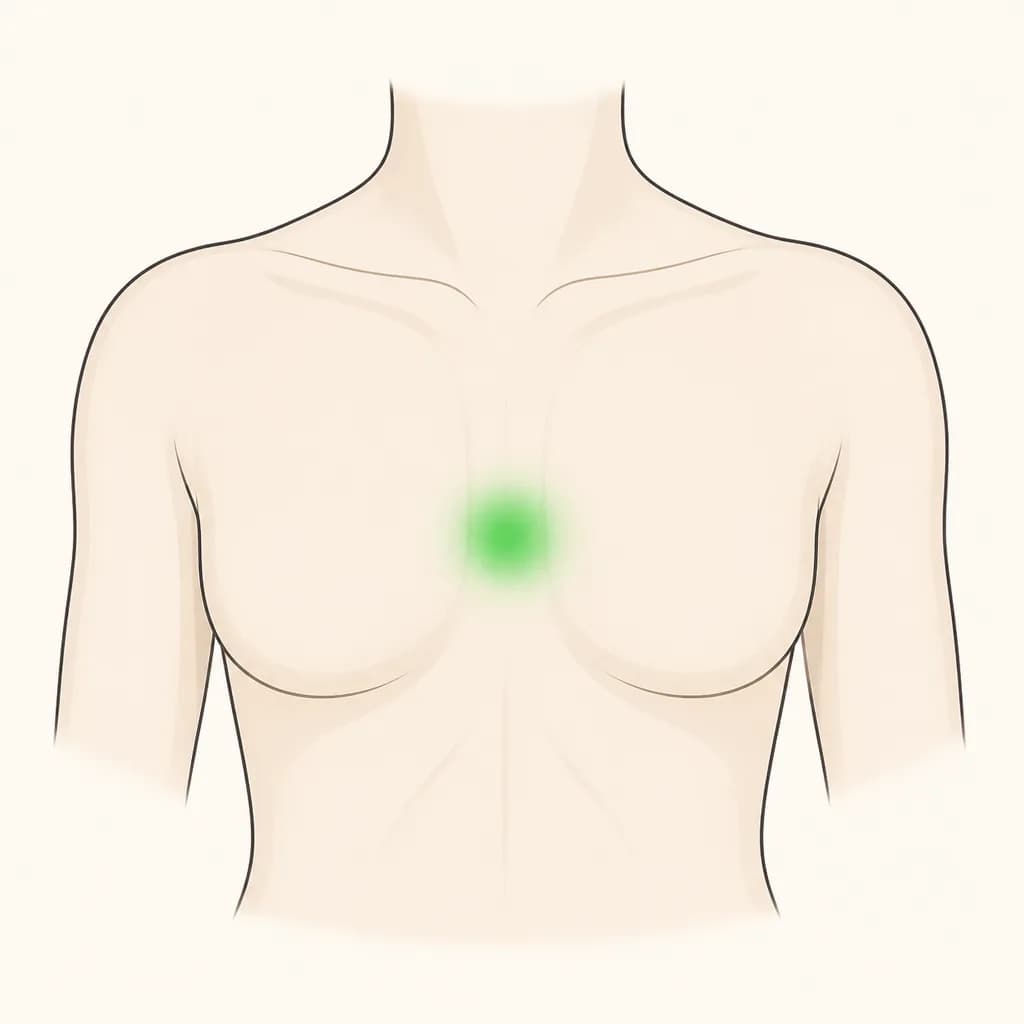
Nipple Discharge is a common presentation of Hyperprolactinaemia, although discharge can have other causes.
This answers one question. It is not a diagnosis and does not replace an assessment by a licensed doctor.
At a glance
- Hormone involved
- Prolactin
- Possible fluid
- Milky discharge
- Assessment
- May include prolactin and thyroid tests
What this can mean
Prolactin is a hormone involved in breast milk production. When its level is raised outside pregnancy or breastfeeding, breast tissue may produce a milky fluid. This is called galactorrhoea and it may affect one or both nipples. Hyperprolactinaemia can also be associated with changes in menstrual periods, reduced fertility, vaginal dryness or lower sexual desire. Some people have no noticeable symptoms besides discharge.
Raised prolactin may be linked with medicines, an underactive thyroid, irritation or stimulation of the nipples, or a problem affecting the pituitary gland. The appearance of the fluid and whether it comes from one duct or several can help guide assessment. Nipple discharge that is bloody, clear and spontaneous needs a clinical review because its causes are not limited to hormone changes.
What to do next
Arrange an appointment with a doctor or gynaecologist if discharge is new, persistent or unexplained. They may ask about pregnancy, breastfeeding, periods and medicines, examine the breasts, and request a prolactin test or thyroid testing. Prolactin can vary with stress, recent breast stimulation and the timing of a blood test, so follow the testing instructions you are given.
Avoid repeatedly squeezing the nipples to check for fluid, as stimulation can encourage further discharge. Do not stop a prescribed medicine without advice. Keep a note of the colour, whether the fluid appears without touching the breast, and any lump, pain or skin change.
When to seek care
Seek prompt medical assessment for spontaneous discharge from one breast, bloody or clear fluid, a new breast lump, nipple inversion, skin dimpling, redness, warmth or fever. Arrange medical review for discharge with headaches or vision changes, as these can occur when a pituitary condition affects nearby structures. Urgent help is appropriate for severe headache with sudden visual loss or other sudden neurological symptoms.
Questions for your doctor
You could ask: Could my medicines or thyroid function affect prolactin? Should the prolactin test be repeated under particular conditions? Does the discharge need breast imaging or a breast specialist review? Which symptoms should prompt faster care? If hyperprolactinaemia is confirmed, what treatment or follow-up would be suitable for me?
Find care
General Clinics & Polyclinics in Abu Dhabi
That answer is general. If you want it applied to your own case, these are licensed general clinics & polyclinics listed in Abu Dhabi.
27 Ar Ruwwad St - Shakhbout City - MSH4 - Abu Dhabi - United Arab Emirates
Accepts: Daman, Thiqa, Cigna, MetLife +20 more
Al Ruwais, Al Dhafrah
Accepts: Daman, Thiqa, AXA, Cigna +16 more
Al Bahyah - Al Bahyah Old - Abu Dhabi - United Arab Emirates
Accepts: Daman, Thiqa, Cigna, Allianz Care +18 more
Abu Dhabi
Accepts: Daman, Thiqa, AXA, Cigna +27 more
Ordered by verification status and how complete each clinic's public record is, then alphabetically. This is a directory listing, not a ranking — Zavis does not rate or recommend providers.
A factual listing drawn from the DHA, DOH and MOHAP licence registers. It is not a referral, an endorsement, or advice that any of these providers is right for you.
Questions people ask
Can nipple discharge happen without pregnancy?
Yes. Raised prolactin, medicines, thyroid problems and local breast causes can all be considered when discharge occurs outside pregnancy or breastfeeding.
Should I squeeze the nipple to empty the breast?
Repeated squeezing can stimulate more fluid, so avoid checking or expressing it repeatedly and arrange an assessment if it continues.
Related
Related reading
Keep reading
Medical disclaimer. This page is general health information, not medical advice, and it cannot diagnose you. Always consult a licensed healthcare provider about your own symptoms and treatment. In an emergency in the UAE, call 998 for an ambulance.