
Does a GP consultation treat pulmonary embolism?
Short answer
A GP consultation may identify suspected pulmonary embolism, but it does not replace urgent hospital assessment and treatment.
This answers one question. It is not a diagnosis and does not replace an assessment by a licensed doctor.
At a glance
- Role of a GP
- Recognise concern and arrange urgent escalation.
- Typical symptoms
- Breathlessness and chest pain can occur suddenly.
- Emergency action
- Call emergency services for severe or sudden symptoms.
What this means
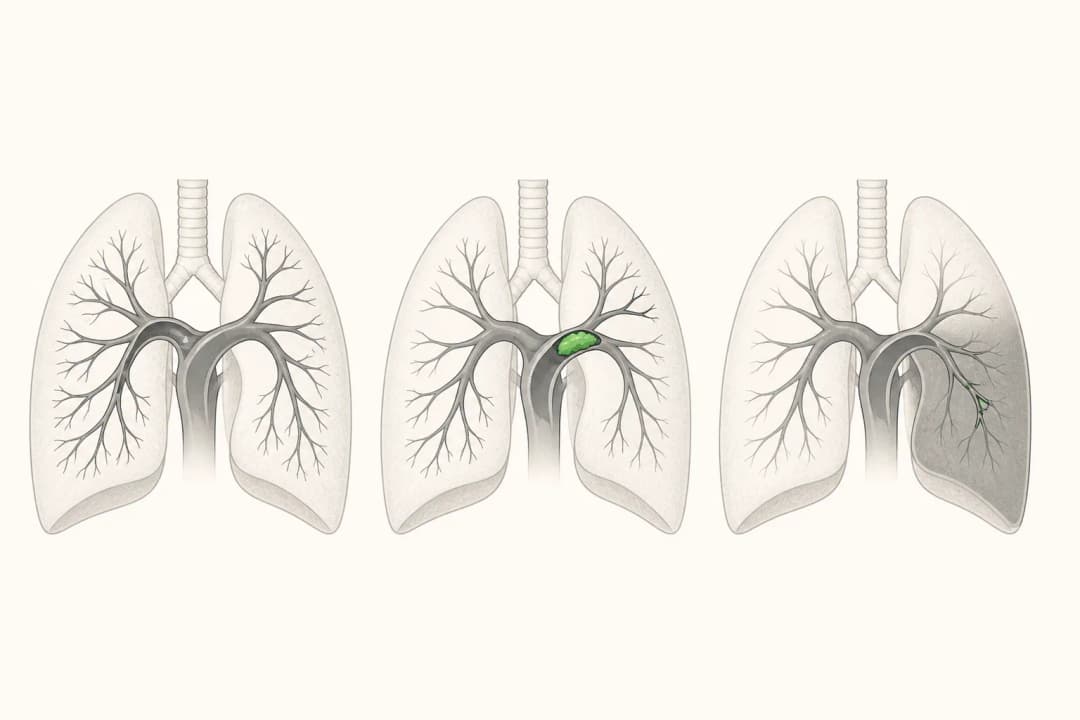
A pulmonary embolism is a blood clot that travels to a blood vessel in the lungs. It can cause sudden breathlessness, chest pain that may worsen with breathing, a fast heartbeat, coughing, dizziness or fainting. A GP can assess symptoms and risk factors, but confirming or excluding this condition may require hospital tests and monitoring.
If pulmonary embolism is suspected, the priority is rapid escalation. Hospital clinicians may use scans, blood tests and heart or oxygen checks, then select treatment such as anticoagulant medicine. The exact plan depends on the findings and your overall health.
What to do next
Do not book a routine appointment if symptoms suggest a pulmonary embolism. Call emergency services for sudden breathlessness, chest pain, coughing blood, fainting, or marked weakness. Sit or rest while waiting, avoid driving yourself, and tell responders about recent surgery, long travel, pregnancy, hormone medicines, cancer or a previous clot if relevant.
If a clinician has already assessed you and arranged same-day testing, follow those instructions closely. Take only medicines advised for you and bring a list of current medicines and allergies. Read more about [Pulmonary Embolism](/conditions/pulmonary-embolism/) and [GP Consultation](/treatments/consultations-and-assessment/gp-consultation/).
When to seek urgent care
Seek emergency help immediately for severe breathing difficulty, new chest pain, coughing blood, collapse, fainting, confusion or blue-grey lips. These symptoms can reflect a dangerous interruption of blood flow in the lungs. Do not wait to see whether they settle or rely on a routine GP appointment.
Questions for your doctor
Ask: Do my symptoms need emergency assessment? What tests are needed? If a clot is found, what treatment will I receive and for how long? Which warning signs should prompt emergency help? When will follow-up occur?
Find care
General Clinics & Polyclinics in Abu Dhabi
That answer is general. If you want it applied to your own case, these are licensed general clinics & polyclinics listed in Abu Dhabi.
27 Ar Ruwwad St - Shakhbout City - MSH4 - Abu Dhabi - United Arab Emirates
Accepts: Daman, Thiqa, Cigna, MetLife +20 more
Al Ruwais, Al Dhafrah
Accepts: Daman, Thiqa, AXA, Cigna +16 more
Al Bahyah - Al Bahyah Old - Abu Dhabi - United Arab Emirates
Accepts: Daman, Thiqa, Cigna, Allianz Care +18 more
Abu Dhabi
Accepts: Daman, Thiqa, AXA, Cigna +27 more
Ordered by verification status and how complete each clinic's public record is, then alphabetically. This is a directory listing, not a ranking — Zavis does not rate or recommend providers.
A factual listing drawn from the DHA, DOH and MOHAP licence registers. It is not a referral, an endorsement, or advice that any of these providers is right for you.
Questions people ask
Can a GP rule out pulmonary embolism in a routine visit?
Not always. Suspected cases may need urgent hospital tests, monitoring and treatment.
Should I drive to a clinic if I feel faint and breathless?
No. Call emergency services rather than driving yourself when these symptoms are present.
Related
Related reading
Keep reading
Medical disclaimer. This page is general health information, not medical advice, and it cannot diagnose you. Always consult a licensed healthcare provider about your own symptoms and treatment. In an emergency in the UAE, call 998 for an ambulance.