
Does diabetes medication management treat type 2 diabetes?
Short answer
Diabetes medication management can treat and control type 2 diabetes by improving how the body handles glucose or supplying needed insulin.
This answers one question. It is not a diagnosis and does not replace an assessment by a licensed doctor.
At a glance
- Treatment approach
- The plan may use tablets, injectable medicines, insulin, or a combination.
- Review triggers
- New symptoms, side effects, illness, or changing routines.
What medication management involves
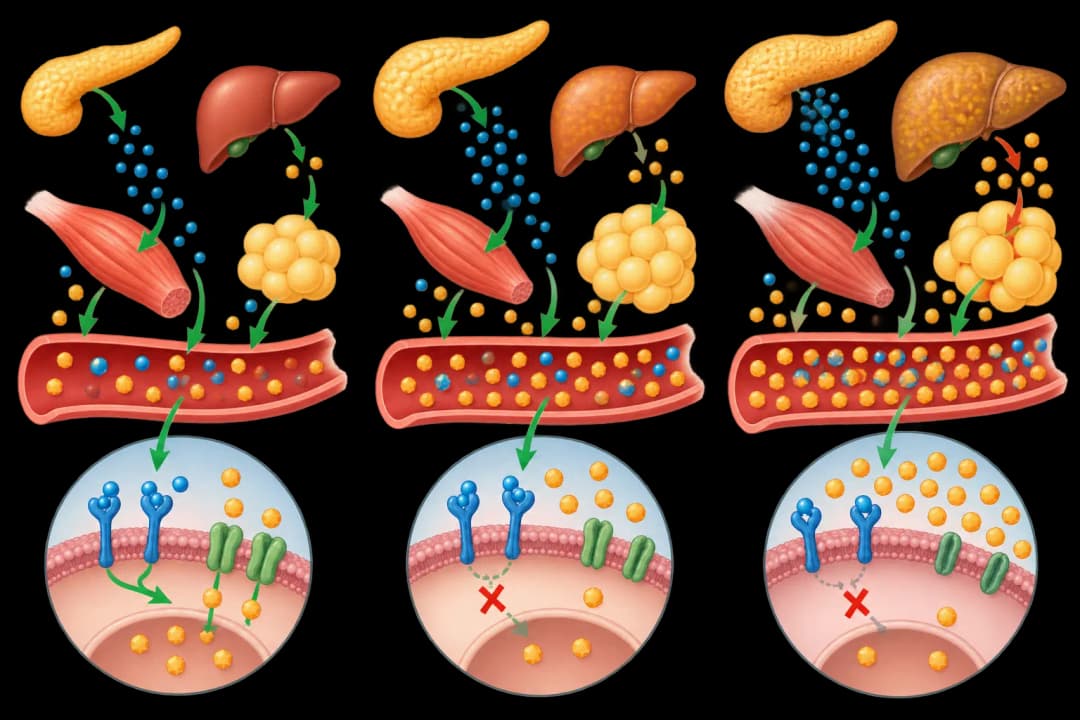
Type 2 diabetes develops when the body does not respond to insulin effectively and, over time, may not make enough. Treatment is tailored to glucose readings, health conditions, other medicines, daily routines, and treatment goals. Options can include tablets, injectable medicines, or insulin. Some people use one medicine, while others need a combination or a change later. Medication works alongside eating patterns, movement, sleep, and monitoring rather than replacing them.
Steps that support control
Take each medicine according to its instructions and learn what to do after a missed dose. Keep a record of readings and symptoms such as shakiness, sweating, unusual thirst, or blurred vision. Bring the record and a full list of medicines to appointments. Do not borrow, share, or change diabetes medicines. Tell the clinician about side effects, fasting, new exercise, illness, or difficulty taking doses on schedule.
When to seek care
Seek urgent help for confusion, fainting, severe drowsiness, repeated vomiting, trouble breathing, or inability to keep fluids down. Contact your clinician soon if readings repeatedly fall below or rise above your advised range, symptoms of low glucose recur, or you cannot take a prescribed medicine. A treatment review may identify a dose issue, side effect, infection, or another health problem.
Questions for your doctor
What is each medicine intended to do, and when should I take it? How will we judge whether the plan needs changing? What should I do during illness, fasting, travel, or a change in activity? Which side effects should I report quickly?
Find care
General Clinics & Polyclinics in Abu Dhabi
That answer is general. If you want it applied to your own case, these are licensed general clinics & polyclinics listed in Abu Dhabi.
27 Ar Ruwwad St - Shakhbout City - MSH4 - Abu Dhabi - United Arab Emirates
Accepts: Daman, Thiqa, Cigna, MetLife +20 more
Al Ruwais, Al Dhafrah
Accepts: Daman, Thiqa, AXA, Cigna +16 more
Al Bahyah - Al Bahyah Old - Abu Dhabi - United Arab Emirates
Accepts: Daman, Thiqa, Cigna, Allianz Care +18 more
Abu Dhabi
Accepts: Daman, Thiqa, AXA, Cigna +27 more
Ordered by verification status and how complete each clinic's public record is, then alphabetically. This is a directory listing, not a ranking — Zavis does not rate or recommend providers.
A factual listing drawn from the DHA, DOH and MOHAP licence registers. It is not a referral, an endorsement, or advice that any of these providers is right for you.
Questions people ask
Does taking medicine mean lifestyle changes are unnecessary?
No. Food choices, movement, sleep, and monitoring can support the treatment plan. Your clinician can suggest practical changes that fit your health and routine.
Will one type 2 diabetes medicine work forever?
Treatment needs can change. Regular reviews allow the plan to be adjusted when glucose patterns, health conditions, or daily routines change.
Related
Related reading
Keep reading
Medical disclaimer. This page is general health information, not medical advice, and it cannot diagnose you. Always consult a licensed healthcare provider about your own symptoms and treatment. In an emergency in the UAE, call 998 for an ambulance.