
Do you need a referral for sacrocolpopexy?
Short answer
A referral is commonly needed for sacrocolpopexy because a urogynaecology team must assess prolapse and confirm that surgery is suitable.
This answers one question. It is not a diagnosis and does not replace an assessment by a licensed doctor.
At a glance
- Specialist
- Urogynaecology
- Referral route
- Often through a clinician, but clinic rules vary
- Assessment
- Symptoms, examination, history, and treatment goals
What the referral means
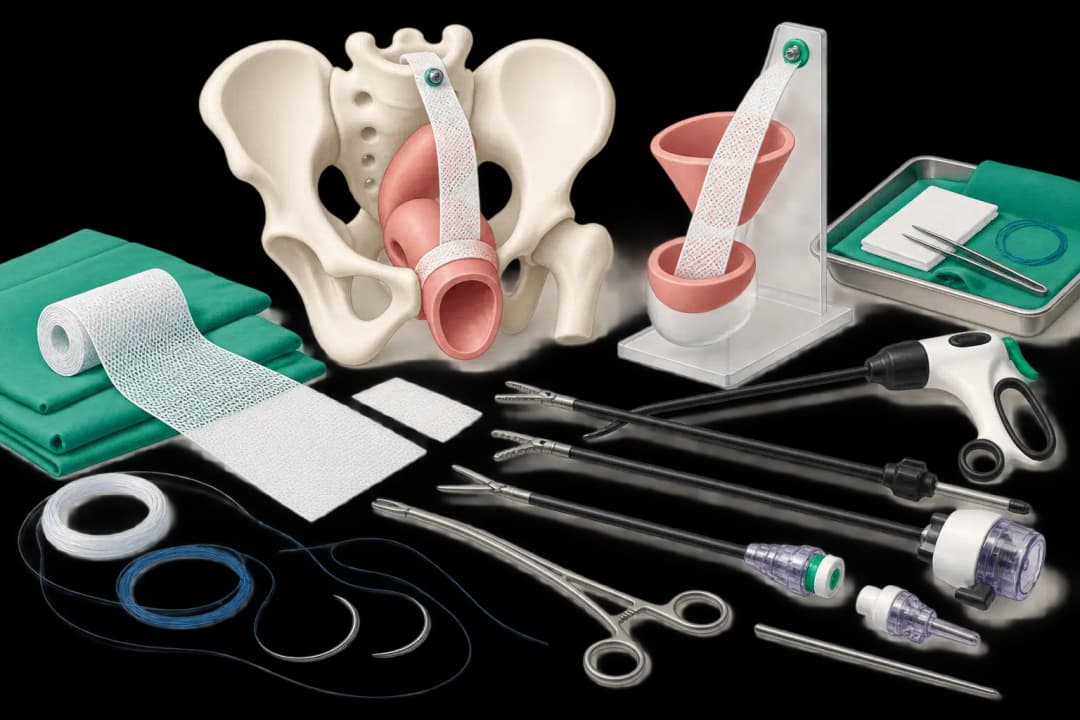
Sacrocolpopexy is an operation that supports prolapsed pelvic organs, often using keyhole surgery and a surgical material to suspend the vaginal wall or other prolapsed tissue. It is not usually booked as a stand-alone procedure without a clinical assessment. A general practitioner, gynaecologist, or another clinician may start the referral. The specialist reviews your symptoms, examination findings, bladder and bowel concerns, previous operations, and personal treatment goals.
Referral rules can vary between clinics, hospitals, insurers, and routes of care in the UAE. Some services may accept a direct appointment, while others require a referral or prior approval. The clinic can tell you which documents are needed.
What to do next
Ask your current clinician for a referral to urogynaecology and request that relevant records accompany it. Bring a list of symptoms, medicines, allergies, previous pelvic surgery, and any childbirth or menopause details that affect your care. Ask whether you need an examination, pelvic imaging, urine testing, or bladder assessment before the surgical discussion.
At the consultation, discuss non-surgical options, the planned route of surgery, recovery arrangements, and alternatives. You can contact the hospital directly to ask whether a referral is required before making an appointment.
When to seek urgent care
A referral is not a reason to delay urgent assessment. Seek prompt medical care for heavy vaginal bleeding, severe or rapidly worsening pelvic pain, inability to pass urine, fainting, fever with feeling unwell, or a new painful bulge that cannot be pushed back. These symptoms need assessment to identify the cause and the right level of care.
Questions for your doctor
Ask: Do I need a formal referral for this clinic? Which specialist should assess me? What records or tests should be sent? Is sacrocolpopexy appropriate for my type of prolapse? What alternatives and recovery support should I consider?
Find care
General Clinics & Polyclinics in Abu Dhabi
That answer is general. If you want it applied to your own case, these are licensed general clinics & polyclinics listed in Abu Dhabi.
27 Ar Ruwwad St - Shakhbout City - MSH4 - Abu Dhabi - United Arab Emirates
Accepts: Daman, Thiqa, Cigna, MetLife +20 more
Al Ruwais, Al Dhafrah
Accepts: Daman, Thiqa, AXA, Cigna +16 more
Al Bahyah - Al Bahyah Old - Abu Dhabi - United Arab Emirates
Accepts: Daman, Thiqa, Cigna, Allianz Care +18 more
Abu Dhabi
Accepts: Daman, Thiqa, AXA, Cigna +27 more
Ordered by verification status and how complete each clinic's public record is, then alphabetically. This is a directory listing, not a ranking — Zavis does not rate or recommend providers.
A factual listing drawn from the DHA, DOH and MOHAP licence registers. It is not a referral, an endorsement, or advice that any of these providers is right for you.
Questions people ask
Can I book a specialist directly?
Some clinics allow direct appointments, while others require a referral. Contact the service before booking.
Does a referral mean I must have surgery?
No. A referral leads to assessment and discussion; the decision depends on your findings, preferences, and alternatives.
Related
Related reading
Keep reading
Medical disclaimer. This page is general health information, not medical advice, and it cannot diagnose you. Always consult a licensed healthcare provider about your own symptoms and treatment. In an emergency in the UAE, call 998 for an ambulance.