
Diarrhoea after constipation in pregnancy
Short answer
Diarrhoea after constipation in pregnancy can follow bowel changes, diet, infection, or medicines, so monitor hydration and contact your maternity team if symptoms persist or feel severe.
This answers one question. It is not a diagnosis and does not replace an assessment by a licensed doctor.
At a glance
- First priority
- Replace lost fluids safely
- Check medicines
- Confirm pregnancy suitability before taking them
- Pregnancy warning
- Report bleeding, fluid leakage, or reduced fetal movement
Why the bowel pattern can change
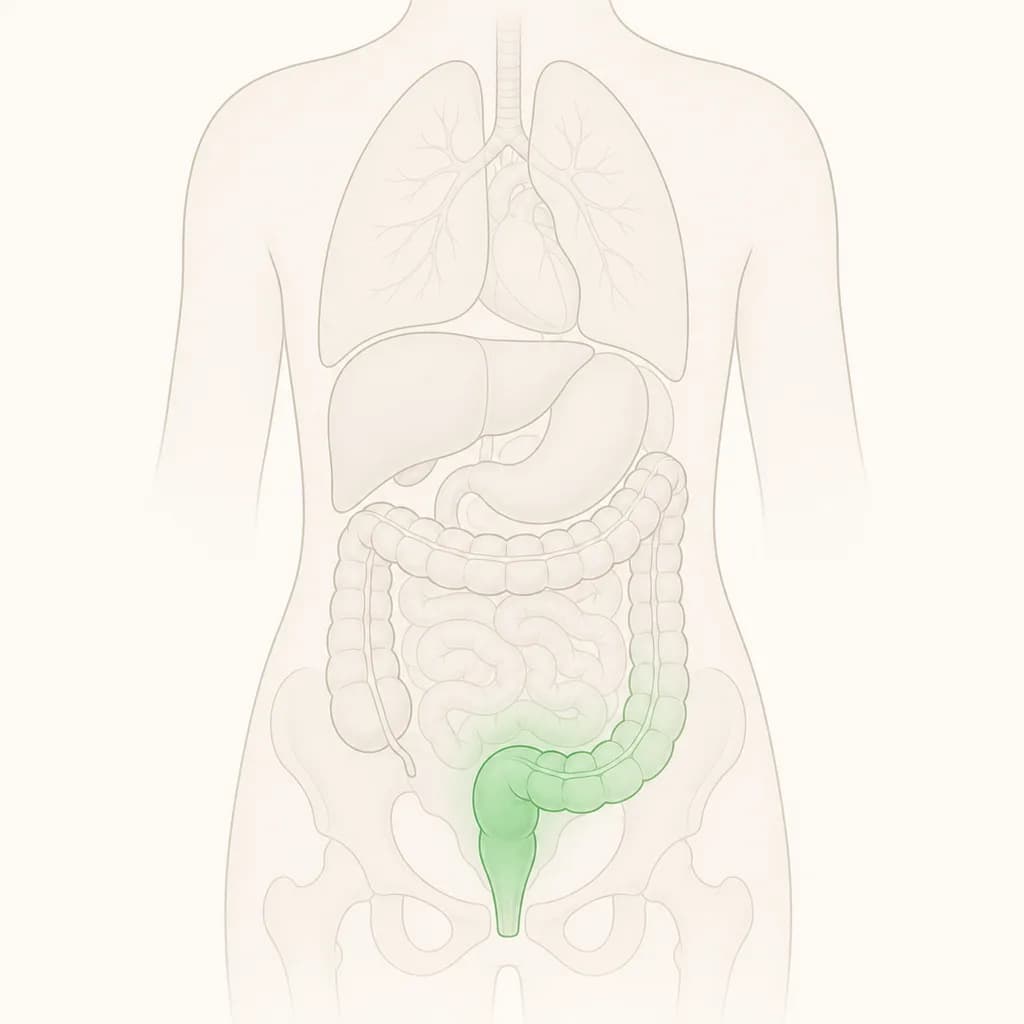
Pregnancy hormones, reduced activity, iron supplements, and pressure from the growing uterus can slow bowel movements. A sudden loose stool may instead reflect a food intolerance, a stomach infection, or a change in medication. Sometimes liquid stool passes around harder stool that remains in the bowel; this is sometimes called overflow diarrhoea and needs assessment if constipation continues.
Irritable bowel syndrome can alternate between constipation and diarrhoea. Less commonly, thyroid problems or diverticular disease may affect bowel habits. The symptom does not identify one cause by itself.
What you can do now
Take frequent sips of water and consider an oral rehydration drink if a clinician recommends it. Eat small, simple meals and avoid foods that clearly worsen symptoms. Do not start an anti-diarrhoeal medicine, laxative, herbal remedy, or antibiotic without checking that it is appropriate in pregnancy.
Record when stools change, associated pain, vomiting, fever, medicines, and your ability to drink. Nutrition counselling may help you adjust fibre and fluids without worsening constipation.
When to seek care
Contact your maternity team promptly for blood or black stool, severe or persistent abdominal pain, repeated vomiting, fever, marked weakness, very little urine, or signs of dehydration such as dizziness and a dry mouth. Seek urgent pregnancy care for vaginal bleeding, regular tightening, fluid leakage, or reduced fetal movement.
Questions for your doctor
Ask whether iron or another medicine could be contributing, which fluids and bowel treatments are suitable, and whether you need an examination for retained stool, infection, or another condition. Mention how far along your pregnancy is.
Find care
General Clinics & Polyclinics in Abu Dhabi
That answer is general. If you want it applied to your own case, these are licensed general clinics & polyclinics listed in Abu Dhabi.
27 Ar Ruwwad St - Shakhbout City - MSH4 - Abu Dhabi - United Arab Emirates
Accepts: Daman, Thiqa, Cigna, MetLife +20 more
Al Ruwais, Al Dhafrah
Accepts: Daman, Thiqa, AXA, Cigna +16 more
Al Bahyah - Al Bahyah Old - Abu Dhabi - United Arab Emirates
Accepts: Daman, Thiqa, Cigna, Allianz Care +18 more
Abu Dhabi
Accepts: Daman, Thiqa, AXA, Cigna +27 more
Ordered by verification status and how complete each clinic's public record is, then alphabetically. This is a directory listing, not a ranking — Zavis does not rate or recommend providers.
A factual listing drawn from the DHA, DOH and MOHAP licence registers. It is not a referral, an endorsement, or advice that any of these providers is right for you.
Questions people ask
Can constipation and diarrhoea happen together in pregnancy?
Yes. Loose stool can occur after slowed bowel movements, including when liquid passes around harder stool, but ongoing symptoms need clinical advice.
When is diarrhoea an emergency in pregnancy?
Get urgent help for severe pain, dehydration, blood in stool, repeated vomiting, or pregnancy warning signs such as bleeding or reduced fetal movement.
Related
Related reading
Keep reading
Medical disclaimer. This page is general health information, not medical advice, and it cannot diagnose you. Always consult a licensed healthcare provider about your own symptoms and treatment. In an emergency in the UAE, call 998 for an ambulance.