
Desserts for type 2 diabetes
Short answer
People with type 2 diabetes can enjoy desserts by choosing modest portions, planning the carbohydrate, and checking how their glucose responds.
This answers one question. It is not a diagnosis and does not replace an assessment by a licensed doctor.
At a glance
- Focus
- Portion, carbohydrate and glucose response
- Useful habit
- Record what you ate alongside readings
How desserts affect glucose
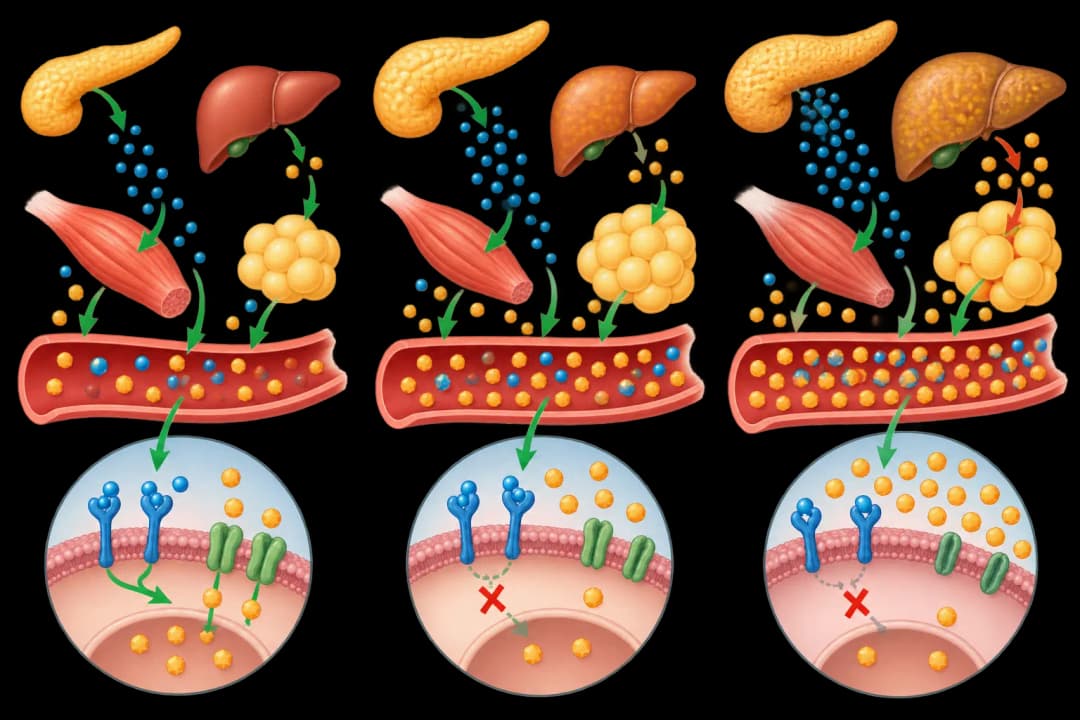
Sugar and starchy ingredients are broken down into glucose. A dessert may raise glucose quickly, especially when eaten alone or in a large serving. Fat can slow digestion, so a rich dessert may affect readings later rather than immediately. The total meal matters too: dessert added to a meal containing bread, rice or potatoes contributes more carbohydrate than dessert replacing another carbohydrate food.
There is no single diabetes-friendly dessert for everyone. Fruit, yoghurt without added sugar, or a small portion of a favourite dessert may work differently from person to person. Diabetes medicines, activity, kidney health and glucose targets also influence the plan.
Practical ways to include a treat
Read the portion and carbohydrate information where available, and serve the amount before you start eating. Pairing dessert with a meal that includes vegetables and protein can make the overall meal more filling. Choose water or an unsweetened drink instead of adding sugary drinks to the same occasion.
Keep a note of the dessert, portion, medication timing and glucose readings if you monitor at home. This can reveal patterns without labelling a food as forbidden. Do not change insulin or other diabetes medicine to accommodate dessert unless your clinician has given you a specific plan. A nutrition professional can help adapt familiar sweets to your usual foods and cultural preferences.
When to seek medical advice
Contact your diabetes team if readings repeatedly run above your agreed range after desserts, or if you are unsure how to match food with medicine. Seek urgent help for severe thirst with vomiting, confusion, unusual drowsiness, difficulty breathing, or a glucose reading that remains very high despite following your sick-day plan. Shaking, sweating, palpitations or confusion can indicate hypoglycaemia and need prompt treatment according to your personal plan; learn more about [Hypoglycaemia](/conditions/hypoglycaemia/).
Questions for your doctor or dietitian
Ask which carbohydrate range suits your meals, whether you need to adjust meal timing, and how often to check glucose after a dessert. Also ask how kidney problems or diabetes medicines change your choices, and whether a referral for nutrition counselling would help.
Find care
General Clinics & Polyclinics in Abu Dhabi
That answer is general. If you want it applied to your own case, these are licensed general clinics & polyclinics listed in Abu Dhabi.
27 Ar Ruwwad St - Shakhbout City - MSH4 - Abu Dhabi - United Arab Emirates
Accepts: Daman, Thiqa, Cigna, MetLife +20 more
Al Ruwais, Al Dhafrah
Accepts: Daman, Thiqa, AXA, Cigna +16 more
Al Bahyah - Al Bahyah Old - Abu Dhabi - United Arab Emirates
Accepts: Daman, Thiqa, Cigna, Allianz Care +18 more
Abu Dhabi
Accepts: Daman, Thiqa, AXA, Cigna +27 more
Ordered by verification status and how complete each clinic's public record is, then alphabetically. This is a directory listing, not a ranking — Zavis does not rate or recommend providers.
A factual listing drawn from the DHA, DOH and MOHAP licence registers. It is not a referral, an endorsement, or advice that any of these providers is right for you.
Questions people ask
Do I have to avoid all sugar?
Not necessarily. A planned portion can fit within your overall carbohydrate and glucose goals, but frequent sugary drinks and large portions are harder to balance.
Is fruit always a better dessert?
Fruit provides fibre and nutrients, but it still contains carbohydrate. Portion size and your personal glucose response remain relevant.
Related
Related reading
Keep reading
Medical disclaimer. This page is general health information, not medical advice, and it cannot diagnose you. Always consult a licensed healthcare provider about your own symptoms and treatment. In an emergency in the UAE, call 998 for an ambulance.