
Cradle cap after chemotherapy: what to know
Short answer
Cradle cap after chemotherapy should be assessed gently because treatment can make the scalp more sensitive, dry, or prone to irritation.
This answers one question. It is not a diagnosis and does not replace an assessment by a licensed doctor.
At a glance
- Main concern
- Sensitive or irritated scalp skin
- Avoid
- Picking scale and fragranced products
- Get advice
- Before using medicated scalp treatments
What the scalp change may mean
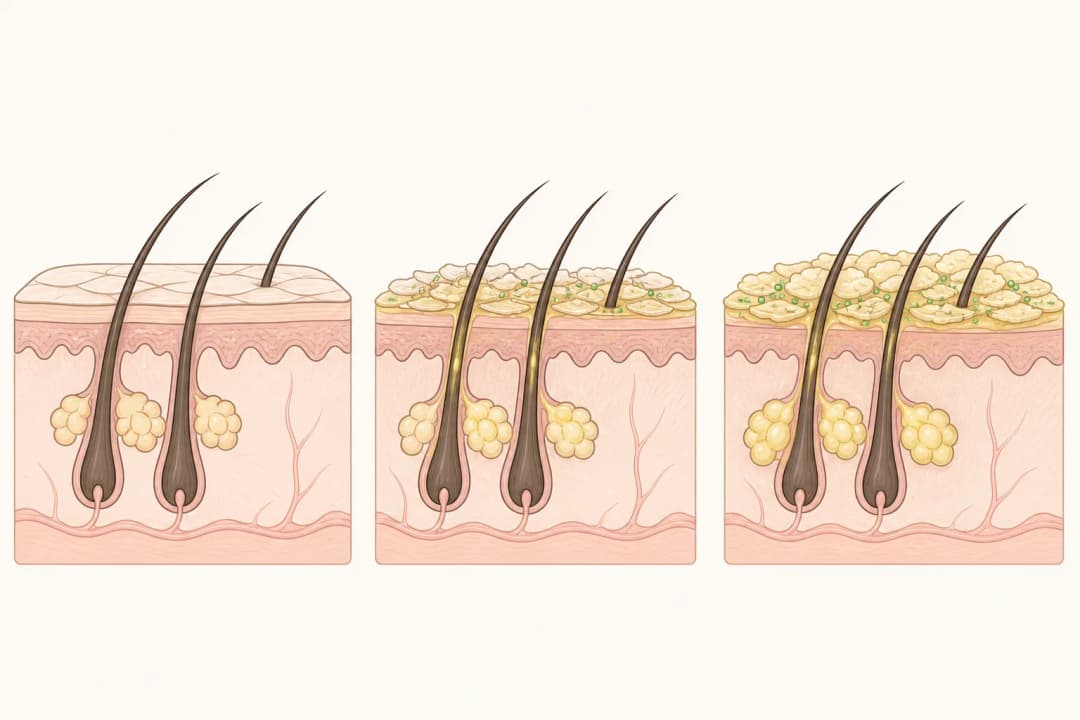
Cradle cap is a form of seborrheic dermatitis that can cause greasy or dry scale on the scalp. After chemotherapy, a flaky scalp may instead reflect dryness, irritation from products, infection, or changes linked with hair shedding. These possibilities can look similar without an examination. Do not assume that every crust is cradle cap, especially if the skin is tender or the immune system is weakened.
What you can do
Use lukewarm water and a fragrance-free cleanser, then pat the scalp dry. Avoid scratching, picking, tight headwear, hair dye, and strongly scented oils or shampoos. A clinician may suggest an [Emollient Therapy](/treatments/medical-dermatology/emollient-therapy/) approach to soften scale, but ask before applying anything to broken skin. If yeast-related inflammation is suspected, [Topical Antifungal Treatment](/treatments/medical-dermatology/topical-antifungal-therapy/) may be considered by your care team.
When to seek care
Contact your oncology or dermatology team promptly for spreading redness, warmth, swelling, pus, bleeding, marked pain, fever, or a scalp rash that worsens quickly. Arrange an assessment for persistent scale, new bald patches, or sores, because chemotherapy can change how skin problems present and how treatment should be chosen.
Questions for your doctor
Ask whether the scale fits cradle cap, treatment-related dryness, or infection; which cleanser is suitable during your treatment; whether a medicated product is safe with your current medicines; and how to protect areas where hair has shed.
Find care
General Clinics & Polyclinics in Abu Dhabi
That answer is general. If you want it applied to your own case, these are licensed general clinics & polyclinics listed in Abu Dhabi.
27 Ar Ruwwad St - Shakhbout City - MSH4 - Abu Dhabi - United Arab Emirates
Accepts: Daman, Thiqa, Cigna, MetLife +20 more
Al Ruwais, Al Dhafrah
Accepts: Daman, Thiqa, AXA, Cigna +16 more
Al Bahyah - Al Bahyah Old - Abu Dhabi - United Arab Emirates
Accepts: Daman, Thiqa, Cigna, Allianz Care +18 more
Abu Dhabi
Accepts: Daman, Thiqa, AXA, Cigna +27 more
Ordered by verification status and how complete each clinic's public record is, then alphabetically. This is a directory listing, not a ranking — Zavis does not rate or recommend providers.
A factual listing drawn from the DHA, DOH and MOHAP licence registers. It is not a referral, an endorsement, or advice that any of these providers is right for you.
Questions people ask
Can chemotherapy make cradle cap look different?
It can make the scalp drier, more fragile, or more easily irritated, so a clinician should check unusual crusting or soreness.
Should you remove the flakes?
Do not pull them off. Gentle cleansing and clinician-approved softening care are safer than scraping or scratching.
Related
Related reading
Keep reading
Medical disclaimer. This page is general health information, not medical advice, and it cannot diagnose you. Always consult a licensed healthcare provider about your own symptoms and treatment. In an emergency in the UAE, call 998 for an ambulance.