
What should you know about cracked skin on heel of foot?
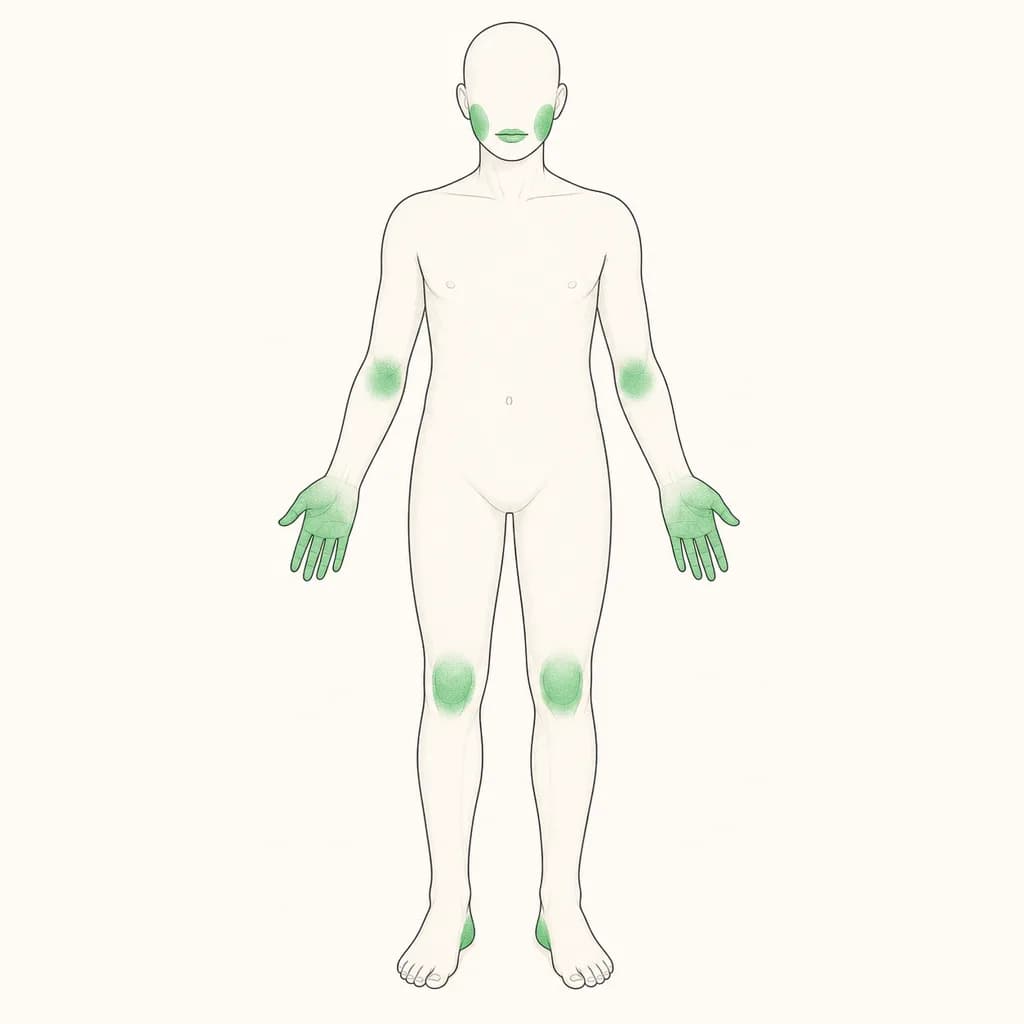
Short answer
Cracked skin on the heel usually reflects dry, thickened skin under pressure, but deep or inflamed fissures deserve professional attention.
This answers one question. It is not a diagnosis and does not replace an assessment by a licensed doctor.
At a glance
- Main mechanical issue
- Dry thick skin stretching under heel pressure
- Protective choice
- Supportive footwear that limits rubbing and slippage
- Early review matters if
- You have diabetes, numbness or circulation problems
Why the heel splits
Heel skin becomes vulnerable when a thick rim of hard skin loses flexibility. Barefoot walking, open-backed footwear, prolonged standing and dry conditions can widen the split each time the heel bears weight. Itch or redness may suggest atopic dermatitis, and psoriasis can produce scaly plaques with fissures. Peeling, burning or scaling between the toes may indicate a separate problem. A heel fissure can be shallow and dry or deep enough to bleed, hurt and allow germs through the protective surface.
Heel care at home
Wash briefly, dry thoroughly and apply a thick fragrance-free emollient to the heel while the skin remains slightly damp. Cover with a clean sock at night if comfortable. Choose closed, supportive footwear that limits heel slippage and avoid walking barefoot on hard floors while the split heals. Do not use blades, scissors or aggressive scraping. If hard skin is extensive, ask a professional about a suitable softening plan, especially if sensation or circulation is reduced.
Signs that need review
Seek medical advice if a fissure is deep, repeatedly reopens, bleeds, drains or remains painful despite protective care. Redness spreading beyond the crack, warmth, swelling, pus, fever or a new bad smell needs prompt assessment. Anyone with diabetes, neuropathy or circulation problems should arrange advice early and avoid self-treating an open heel wound.
Questions for your doctor
Is the heel thickening caused by pressure, eczema or psoriasis? How should I soften the surrounding skin without injuring the fissure? What footwear and dressing are appropriate for my daily activity?
Find care
General Clinics & Polyclinics in Abu Dhabi
That answer is general. If you want it applied to your own case, these are licensed general clinics & polyclinics listed in Abu Dhabi.
27 Ar Ruwwad St - Shakhbout City - MSH4 - Abu Dhabi - United Arab Emirates
Accepts: Daman, Thiqa, Cigna, MetLife +20 more
Al Ruwais, Al Dhafrah
Accepts: Daman, Thiqa, AXA, Cigna +16 more
Al Bahyah - Al Bahyah Old - Abu Dhabi - United Arab Emirates
Accepts: Daman, Thiqa, Cigna, Allianz Care +18 more
Abu Dhabi
Accepts: Daman, Thiqa, AXA, Cigna +27 more
Ordered by verification status and how complete each clinic's public record is, then alphabetically. This is a directory listing, not a ranking — Zavis does not rate or recommend providers.
A factual listing drawn from the DHA, DOH and MOHAP licence registers. It is not a referral, an endorsement, or advice that any of these providers is right for you.
Questions people ask
Can petroleum-based moisturiser help heel cracks?
A bland occlusive emollient may reduce water loss and soften dry skin; avoid applying products between the toes if that area stays damp.
Is a pumice stone safe for a cracked heel?
Avoid vigorous filing over an open or painful fissure. Gentle care of intact surrounding skin is safer after professional guidance.
Related
Related reading
Keep reading
Medical disclaimer. This page is general health information, not medical advice, and it cannot diagnose you. Always consult a licensed healthcare provider about your own symptoms and treatment. In an emergency in the UAE, call 998 for an ambulance.