
What should you know about how the contraceptive implant works?
Short answer
The contraceptive implant releases progestogen from a small arm rod, mainly stopping ovulation and thickening cervical mucus to prevent pregnancy.
This answers one question. It is not a diagnosis and does not replace an assessment by a licensed doctor.
At a glance
- Hormone
- Progestogen
- Placement
- Under the skin of the upper arm
- Additional protection
- Condoms help prevent sexually transmitted infections
How the method acts
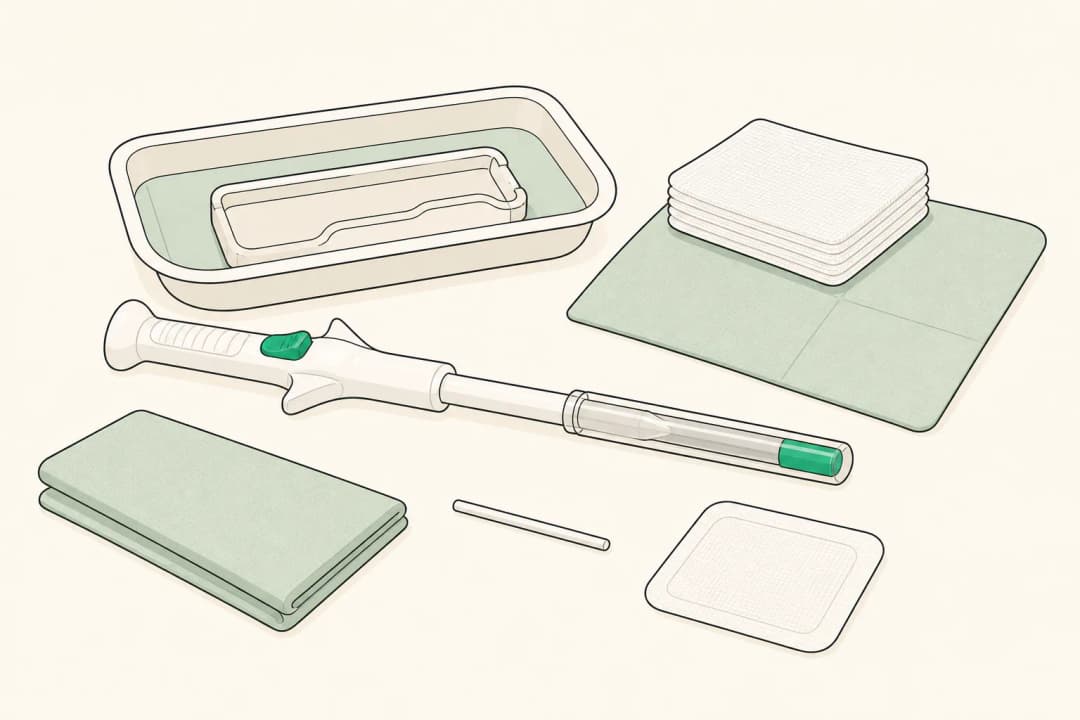
A clinician places the flexible rod beneath the skin of the upper arm. Progestogen enters the bloodstream gradually. It suppresses ovulation for many people, makes cervical mucus thicker so sperm movement is hindered, and changes the womb lining. Because the hormone is not delivered through the digestive system, missing a tablet is not part of its daily routine.
The same hormonal action can change bleeding. Spotting, irregular bleeding, longer gaps between bleeds, or no bleeding may occur. The implant does not prevent sexually transmitted infections, and medicines that alter hormone handling can affect its suitability.
Using it safely
Before insertion, discuss medicines, allergies, liver disease, unexplained bleeding, pregnancy possibility, and your preferred timing. Ask exactly when protection begins and use a temporary method if instructed. Keep the rod and replacement date documented; never cut, squeeze, or reposition it yourself.
Feel the area only as your clinician shows you. If you cannot find the rod or think it has moved, arrange a check. Condoms remain useful when infection protection is part of your sexual-health plan.
When to seek care
Seek prompt review for severe or persistent arm pain, numbness, marked swelling, skin changes, discharge, or a rod that cannot be felt. Get urgent help for sudden breathlessness, severe chest pain, or one-sided leg swelling. A pregnancy test and assessment are needed if pregnancy is possible, particularly with significant abdominal pain or faintness.
Questions for your doctor
Ask how the Etonogestrel Implant Rod is inserted, when it starts working, which medicines interact with it, how bleeding changes can be managed, and how it compares with a Hormonal Coil for your priorities.
Find care
General Clinics & Polyclinics in Abu Dhabi
That answer is general. If you want it applied to your own case, these are licensed general clinics & polyclinics listed in Abu Dhabi.
27 Ar Ruwwad St - Shakhbout City - MSH4 - Abu Dhabi - United Arab Emirates
Accepts: Daman, Thiqa, Cigna, MetLife +20 more
Al Ruwais, Al Dhafrah
Accepts: Daman, Thiqa, AXA, Cigna +16 more
Al Bahyah - Al Bahyah Old - Abu Dhabi - United Arab Emirates
Accepts: Daman, Thiqa, Cigna, Allianz Care +18 more
Abu Dhabi
Accepts: Daman, Thiqa, AXA, Cigna +27 more
Ordered by verification status and how complete each clinic's public record is, then alphabetically. This is a directory listing, not a ranking — Zavis does not rate or recommend providers.
A factual listing drawn from the DHA, DOH and MOHAP licence registers. It is not a referral, an endorsement, or advice that any of these providers is right for you.
Questions people ask
Does the implant stop ovulation?
It mainly suppresses ovulation, while also thickening cervical mucus and changing the womb lining.
Does the implant protect against infections?
No. Use condoms for protection from sexually transmitted infections.
Related
Related reading
Keep reading
Medical disclaimer. This page is general health information, not medical advice, and it cannot diagnose you. Always consult a licensed healthcare provider about your own symptoms and treatment. In an emergency in the UAE, call 998 for an ambulance.