
Constipation in the First Week of Pregnancy: What to Know
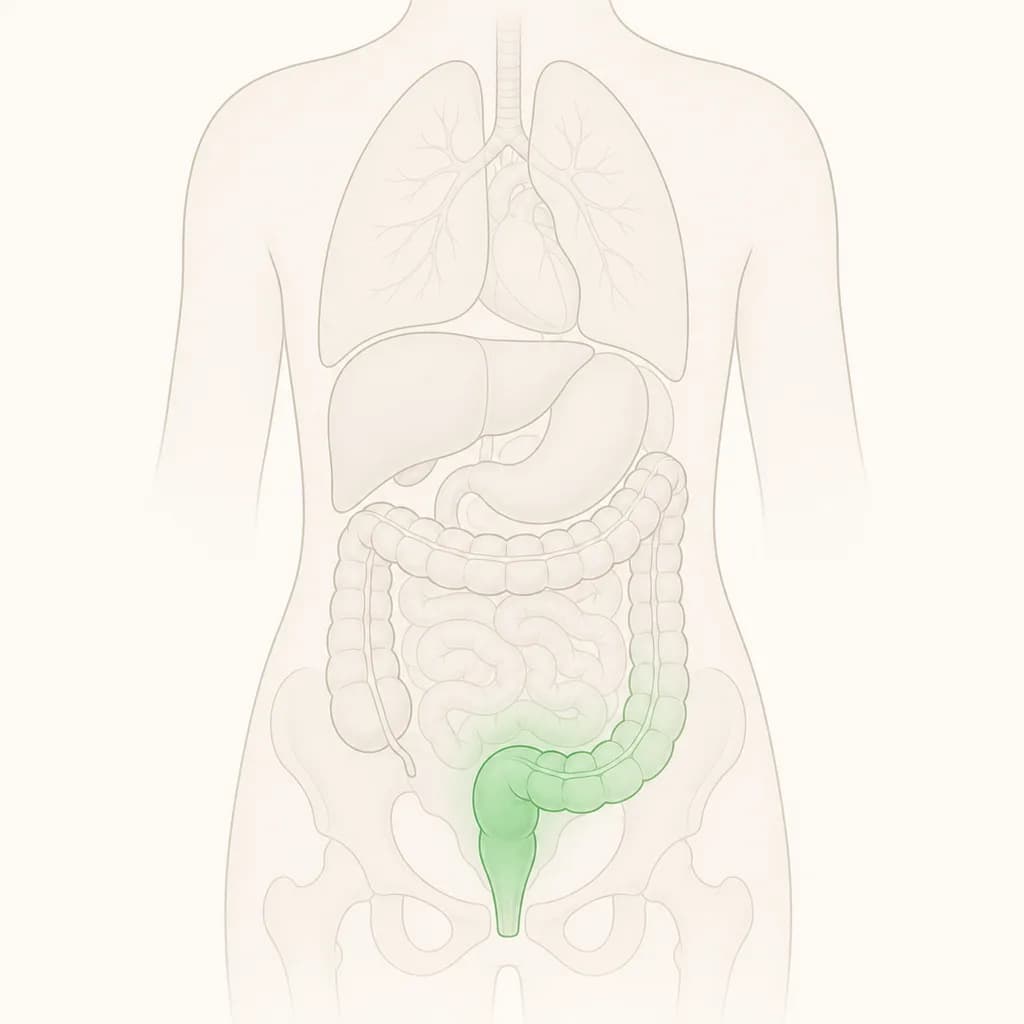
Short answer
Constipation in the first week of pregnancy can reflect early hormonal changes or existing bowel habits, so start gently with fluids, fibre, movement, and clinical guidance.
This answers one question. It is not a diagnosis and does not replace an assessment by a licensed doctor.
At a glance
- Timing
- Symptoms noticed this early may have begun before conception or with early hormonal changes
- Safer starting point
- Gradual dietary fibre, regular fluids, gentle activity, and professional medicine advice
Understanding the timing
The exact timing of pregnancy symptoms varies. Constipation noticed in the first week may have started before conception or may accompany very early hormonal changes. A slower bowel can produce hard, dry stools, straining, pressure, or a sense that you have not emptied fully. Nausea, altered meals, less activity, and supplements can all change bowel habits.
Constipation is a symptom, not a pregnancy test and not a diagnosis of another illness. Ongoing symptoms may need consideration of dehydration, irritable bowel syndrome, or thyroid problems, especially when other symptoms are present.
Gentle measures to try
Keep water nearby and drink regularly, unless you have been given a fluid restriction. Increase fibre in small increments with foods such as pears, berries, vegetables, lentils, oats, and whole-grain bread. A short, comfortable walk may support bowel activity. Respond to the urge to go and use a footrest if it helps you sit without straining.
Check every medicine, supplement, and herbal remedy with a pharmacist, doctor, or maternity clinician before using it. If an iron product seems to worsen symptoms, ask about alternatives or timing; do not discontinue it without advice. A nutrition counsellor can help if nausea makes fibre-rich meals difficult.
Warning signs
Arrange medical advice if constipation lasts, repeatedly returns, or is interfering with eating and daily activities. Get urgent care for intense or increasing abdominal pain, persistent vomiting, a rigid or markedly swollen abdomen, inability to pass stool and gas, black or bloody stool, fainting, or vaginal bleeding. Reduced urination, very dark urine, or severe thirst can signal dehydration.
Useful questions
Could this bowel change have begun before pregnancy? Is my supplement contributing? Which options can I use if food, fluids, and movement are not enough? When should abdominal symptoms be checked?
Find care
General Clinics & Polyclinics in Abu Dhabi
That answer is general. If you want it applied to your own case, these are licensed general clinics & polyclinics listed in Abu Dhabi.
27 Ar Ruwwad St - Shakhbout City - MSH4 - Abu Dhabi - United Arab Emirates
Accepts: Daman, Thiqa, Cigna, MetLife +20 more
Al Ruwais, Al Dhafrah
Accepts: Daman, Thiqa, AXA, Cigna +16 more
Al Bahyah - Al Bahyah Old - Abu Dhabi - United Arab Emirates
Accepts: Daman, Thiqa, Cigna, Allianz Care +18 more
Abu Dhabi
Accepts: Daman, Thiqa, AXA, Cigna +27 more
Ordered by verification status and how complete each clinic's public record is, then alphabetically. This is a directory listing, not a ranking — Zavis does not rate or recommend providers.
A factual listing drawn from the DHA, DOH and MOHAP licence registers. It is not a referral, an endorsement, or advice that any of these providers is right for you.
Questions people ask
Does constipation confirm pregnancy?
No. Constipation can occur for many reasons and cannot confirm pregnancy on its own.
Can I use an over-the-counter laxative?
Ask a healthcare professional first, because suitability depends on the product, your symptoms, and your pregnancy history.
Related
Related reading
Keep reading
Medical disclaimer. This page is general health information, not medical advice, and it cannot diagnose you. Always consult a licensed healthcare provider about your own symptoms and treatment. In an emergency in the UAE, call 998 for an ambulance.