
What should you know about constant kidney stones female?
Short answer
Constant kidney-stone symptoms in a woman warrant medical assessment because pain, urinary changes, obstruction, and infection can need different treatment.
This answers one question. It is not a diagnosis and does not replace an assessment by a licensed doctor.
At a glance
- Possible symptoms
- Flank pain, abdominal pain, painful urination, or difficulty passing urine
- Urgent warning
- Fever with side pain or inability to pass urine
What ongoing symptoms can mean
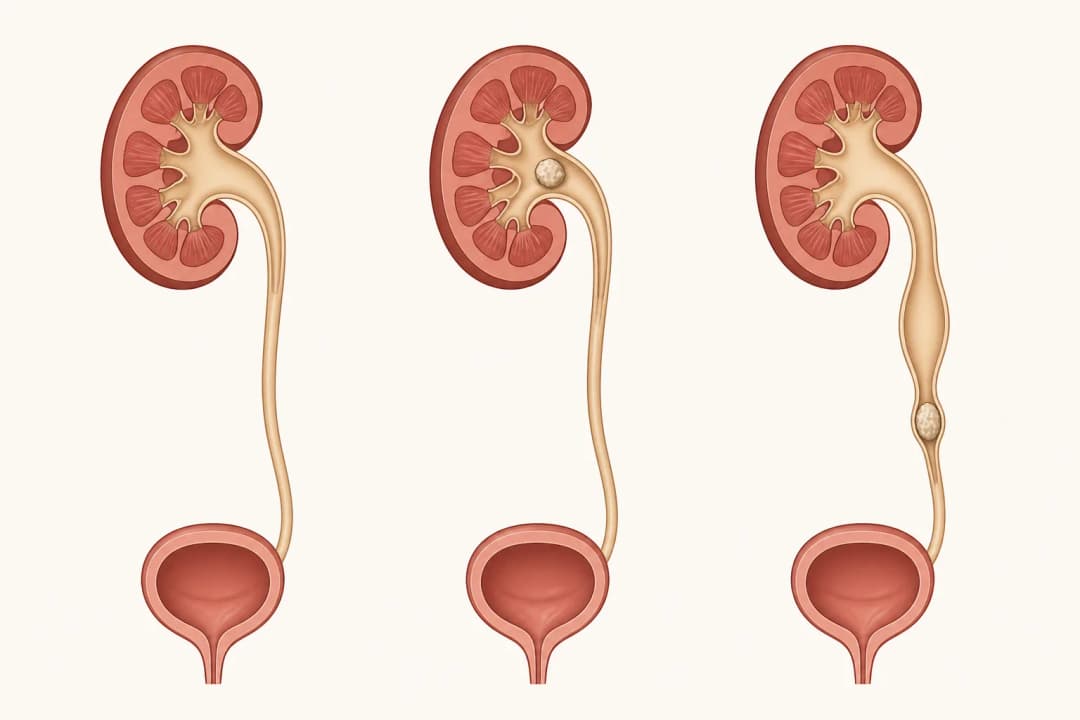
Kidney stones are solid deposits that can move from the kidney into the urinary tract. A moving stone may cause severe cramping pain in the side or back, pain that travels toward the lower abdomen or groin, nausea, or blood in the urine. Painful urination and difficulty passing urine can occur when the stone is lower in the tract. Dehydration can make urine more concentrated and may contribute to stone formation, but symptoms alone cannot show the stone's size or position. Women can also have urinary or gynaecological conditions with similar pain, so assessment matters.
What to do next
Arrange a GP consultation for persistent, recurrent, or unexplained flank or abdominal pain. Write down when pain began, whether it comes in waves, any urine colour change, fever, vomiting, and your ability to pass urine. Unless a clinician has restricted your fluids, take regular drinks rather than forcing large amounts during severe pain or vomiting. Do not use leftover antibiotics or someone else's pain medicine. A clinician may recommend urine and blood tests and an abdominal ultrasound or another scan depending on the findings.
When to seek urgent help
Seek urgent medical help for fever or chills with flank pain, repeated vomiting, inability to pass urine, severe pain that is not easing, faintness, or feeling suddenly very unwell. A blocked urinary tract with infection can worsen quickly. If you are pregnant, have one functioning kidney, or have significant kidney disease, contact a clinician promptly about new urinary pain.
Questions for your doctor
Ask whether your symptoms suggest a stone, infection, or another cause; whether imaging is needed; how to manage pain safely; and how to reduce the chance of further stones. Tell the clinician about pregnancy possibility, previous stones, medicines, and fluid intake.
Find care
General Clinics & Polyclinics in Abu Dhabi
That answer is general. If you want it applied to your own case, these are licensed general clinics & polyclinics listed in Abu Dhabi.
27 Ar Ruwwad St - Shakhbout City - MSH4 - Abu Dhabi - United Arab Emirates
Accepts: Daman, Thiqa, Cigna, MetLife +20 more
Al Ruwais, Al Dhafrah
Accepts: Daman, Thiqa, AXA, Cigna +16 more
Al Bahyah - Al Bahyah Old - Abu Dhabi - United Arab Emirates
Accepts: Daman, Thiqa, Cigna, Allianz Care +18 more
Abu Dhabi
Accepts: Daman, Thiqa, AXA, Cigna +27 more
Ordered by verification status and how complete each clinic's public record is, then alphabetically. This is a directory listing, not a ranking — Zavis does not rate or recommend providers.
A factual listing drawn from the DHA, DOH and MOHAP licence registers. It is not a referral, an endorsement, or advice that any of these providers is right for you.
Questions people ask
Can kidney stones cause constant pain?
A stone can cause ongoing or recurrent pain, particularly if it is moving or obstructing urine, but persistent pain also has other possible causes and should be assessed.
Is an ultrasound useful for suspected stones?
An abdominal ultrasound can help assess the kidneys and urinary tract. A clinician chooses imaging based on symptoms, examination, pregnancy status, and local practice.
Related
Related reading
Keep reading
Medical disclaimer. This page is general health information, not medical advice, and it cannot diagnose you. Always consult a licensed healthcare provider about your own symptoms and treatment. In an emergency in the UAE, call 998 for an ambulance.