
How to comb out cradle cap safely
Short answer
To comb out cradle cap, soften the scales first, loosen them gently, and stop if the skin becomes sore or inflamed.
This answers one question. It is not a diagnosis and does not replace an assessment by a licensed doctor.
At a glance
- First step
- Soften scales before brushing
- Avoid
- Picking, scratching, and forceful combing
What the flakes mean
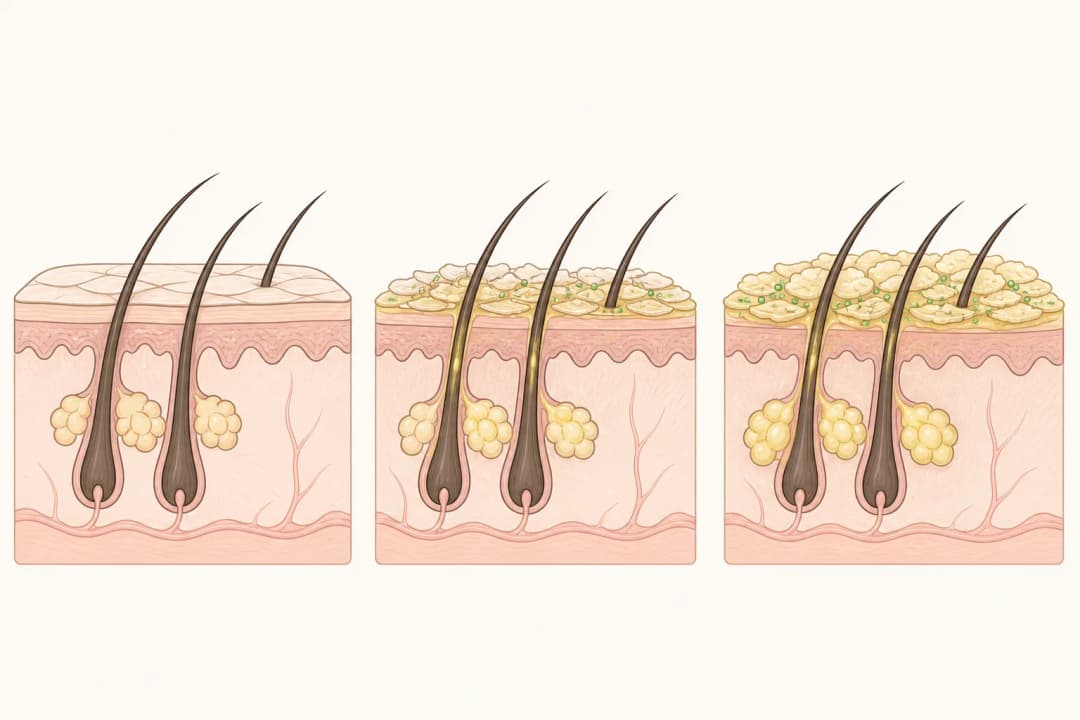
Cradle cap, also called infantile seborrheic dermatitis, causes greasy or dry scales on a baby’s scalp. The skin beneath may look pink, but the condition is usually not caused by poor hygiene and is not a sign that the baby is uncomfortable. Pulling at firmly attached scales can create tiny breaks in the skin, so combing should remove only what has already loosened. Similar-looking rashes can involve the face, folds, or body and may need a different approach.
A gentler combing routine
Wash your hands, then apply a small amount of a plain emollient or another clinician-recommended softener to the scalp. Leave it briefly to loosen the scale, wash it out with a mild baby shampoo, and use a soft baby brush or fine-tooth comb with light pressure. Work in the direction of hair growth and never scratch with fingernails. Do not pick at bleeding areas or leave oil sitting on the scalp for long periods. An [Emollient Therapy](/treatments/medical-dermatology/emollient-therapy/) plan may help when dryness is prominent. Do not use medicated products, including [Topical Antifungal Treatment](/treatments/medical-dermatology/topical-antifungal-therapy/), unless a clinician advises it.
When the baby needs medical advice
Contact a clinician if the scalp is very red, swollen, cracked, wet, bleeding, or covered with pus, or if the baby seems unwell or feverish. Arrange an assessment when the rash spreads widely, affects the eyes or ears, causes significant itch, or does not settle with gentle care. A clinician can distinguish cradle cap from infection, eczema, or another infant rash and choose a safe product.
Questions for your doctor
Ask which softener is suitable for your baby’s age, how often to wash the scalp, and whether every scale needs to be removed. Ask what signs suggest infection, whether the rash elsewhere changes the diagnosis, and when to return if the scalp remains inflamed.
Find care
General Clinics & Polyclinics in Abu Dhabi
That answer is general. If you want it applied to your own case, these are licensed general clinics & polyclinics listed in Abu Dhabi.
27 Ar Ruwwad St - Shakhbout City - MSH4 - Abu Dhabi - United Arab Emirates
Accepts: Daman, Thiqa, Cigna, MetLife +20 more
Al Ruwais, Al Dhafrah
Accepts: Daman, Thiqa, AXA, Cigna +16 more
Al Bahyah - Al Bahyah Old - Abu Dhabi - United Arab Emirates
Accepts: Daman, Thiqa, Cigna, Allianz Care +18 more
Abu Dhabi
Accepts: Daman, Thiqa, AXA, Cigna +27 more
Ordered by verification status and how complete each clinic's public record is, then alphabetically. This is a directory listing, not a ranking — Zavis does not rate or recommend providers.
A factual listing drawn from the DHA, DOH and MOHAP licence registers. It is not a referral, an endorsement, or advice that any of these providers is right for you.
Questions people ask
Do all cradle-cap scales need to come off?
No. Remove only loose scale that lifts easily. Attached scale can be softened and managed gradually.
Can you use an antifungal cream without advice?
It is better to ask a clinician first because an infant’s rash may have another cause and products differ in suitability.
Related
Related reading
Keep reading
Medical disclaimer. This page is general health information, not medical advice, and it cannot diagnose you. Always consult a licensed healthcare provider about your own symptoms and treatment. In an emergency in the UAE, call 998 for an ambulance.