
Cholera symptoms and treatment
Short answer
Cholera presents mainly with watery diarrhoea and vomiting, and treatment focuses on replacing lost water and salts without delay.
This answers one question. It is not a diagnosis and does not replace an assessment by a licensed doctor.
At a glance
- Core treatment
- Replace water and electrolytes
- Oral option
- Frequent small sips of oral solution
- Hospital option
- IV fluids when oral intake is inadequate
Symptoms and the treatment goal
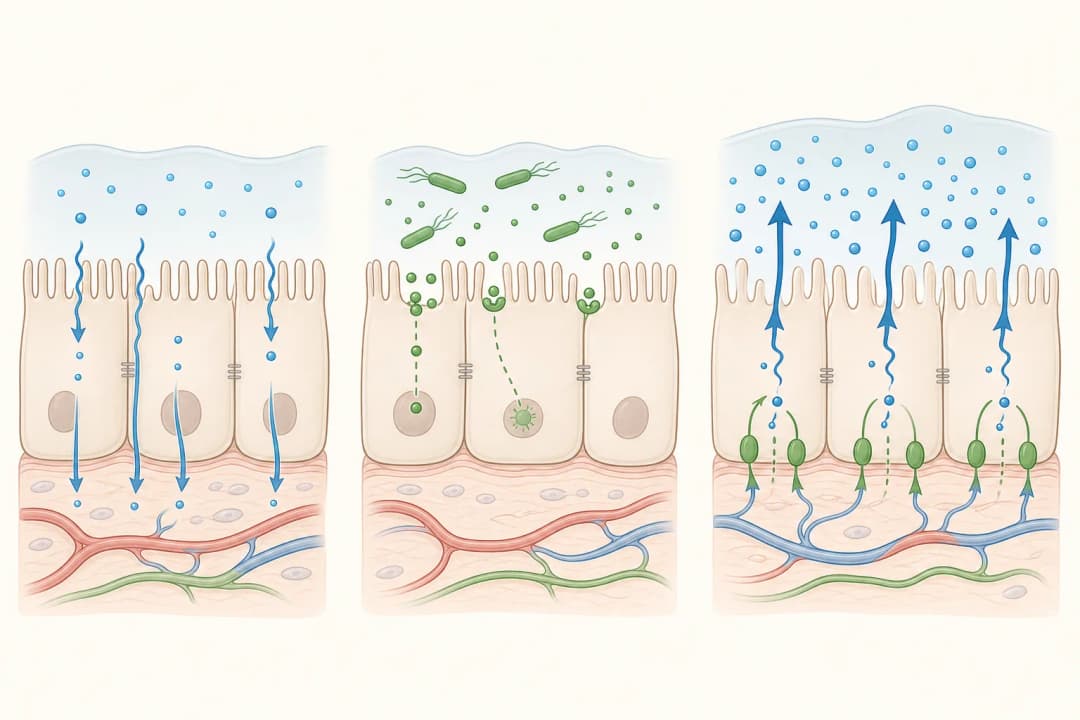
Cholera is an infection of the intestine. Its diarrhoea may be profuse and watery, and vomiting can make drinking difficult. The immediate treatment goal is to restore fluid and electrolytes, then keep replacing losses until the illness settles. Clinicians assess alertness, pulse, breathing, urine output, thirst, and the ability to drink. They may also consider the person’s age, pregnancy, other illnesses, and the likelihood of exposure when choosing care.
How treatment is given
Begin Oral Rehydration Therapy promptly and take frequent small sips. Follow the packet instructions exactly, because an overly concentrated or diluted mixture may not replace salts properly. Continue feeding when possible. IV Fluid Therapy may be needed when dehydration is severe, vomiting prevents drinking, or the person is drowsy or unable to swallow safely. Clinicians may prescribe additional medicine in selected cases, but it does not replace rehydration. Avoid anti-diarrhoeal medicines unless a clinician specifically recommends them.
Red flags requiring urgent help
Seek urgent care if stools are frequent, vomiting persists, urine becomes scarce, the mouth is very dry, dizziness develops, or the person becomes weak, confused, faint, or hard to wake. Emergency help is needed when someone cannot drink or collapses. Keep giving safe rehydration sips if the person is awake and can swallow, and share details of recent travel, water, and food exposure with the medical team.
Questions for your doctor
Ask how much oral solution to take, how to judge urine and alertness, whether an IV is needed, which foods and medicines are suitable, and how long to follow hygiene precautions. Mention medicines already taken and any kidney or heart problems.
Find care
General Clinics & Polyclinics in Abu Dhabi
That answer is general. If you want it applied to your own case, these are licensed general clinics & polyclinics listed in Abu Dhabi.
27 Ar Ruwwad St - Shakhbout City - MSH4 - Abu Dhabi - United Arab Emirates
Accepts: Daman, Thiqa, Cigna, MetLife +20 more
Al Ruwais, Al Dhafrah
Accepts: Daman, Thiqa, AXA, Cigna +16 more
Al Bahyah - Al Bahyah Old - Abu Dhabi - United Arab Emirates
Accepts: Daman, Thiqa, Cigna, Allianz Care +18 more
Abu Dhabi
Accepts: Daman, Thiqa, AXA, Cigna +27 more
Ordered by verification status and how complete each clinic's public record is, then alphabetically. This is a directory listing, not a ranking — Zavis does not rate or recommend providers.
A factual listing drawn from the DHA, DOH and MOHAP licence registers. It is not a referral, an endorsement, or advice that any of these providers is right for you.
Questions people ask
Are antibiotics the main treatment for cholera?
No; rehydration is the immediate priority. A clinician may add other medicine for selected patients.
Why can IV fluids be necessary?
They can replace fluid directly when severe dehydration or vomiting makes drinking insufficient or unsafe.
Related
Related reading
Keep reading
Medical disclaimer. This page is general health information, not medical advice, and it cannot diagnose you. Always consult a licensed healthcare provider about your own symptoms and treatment. In an emergency in the UAE, call 998 for an ambulance.