
What should you know about cholera simple definition?
Short answer
Cholera is a bacterial intestinal infection marked by watery diarrhoea that can quickly cause severe dehydration.
This answers one question. It is not a diagnosis and does not replace an assessment by a licensed doctor.
At a glance
- Type
- Bacterial intestinal infection
- Typical concern
- Rapid fluid and salt loss
- Key action
- Replace fluids and obtain prompt advice
How to understand the term
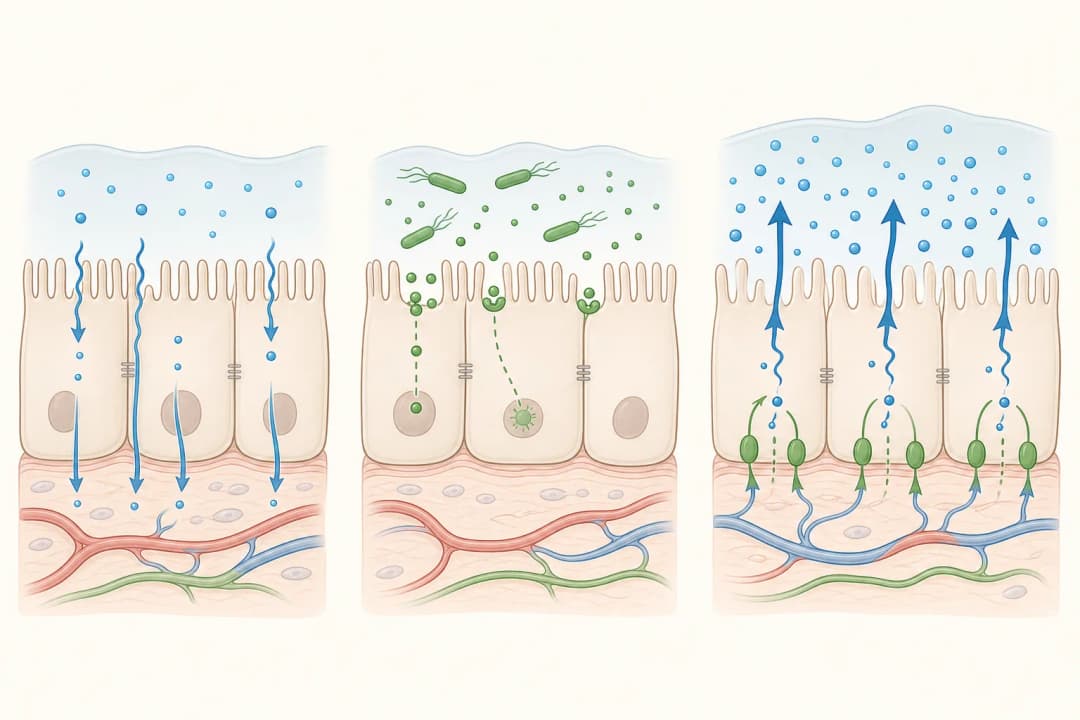
Cholera occurs when a person swallows certain Vibrio bacteria, commonly through food or water contaminated with faecal matter. The bacteria produce a toxin that draws water and salts into the intestine. This can lead to large-volume watery stools, sometimes with vomiting. Not everyone exposed becomes visibly ill, but a person with symptoms can lose fluids quickly. Signs of dehydration include intense thirst, dry lips or tongue, dizziness, weakness, reduced urine, and increasing drowsiness. The symptom page on [Diarrhoea](/symptoms/diarrhoea/) explains the broader symptom and its warning signs.
Practical next steps
Use a correctly mixed oral rehydration solution and sip it often. Keep breastfeeding and resume light foods as tolerated. Avoid preparing food for other people while unwell, wash hands carefully after using the toilet, and clean potentially contaminated surfaces. Arrange medical assessment for suspected cholera so hydration can be checked and treatment considered. [Oral Rehydration Therapy](/treatments/acute-and-urgent-care/oral-rehydration-therapy/) replaces water and salts by mouth; [IV Fluid Therapy](/treatments/acute-and-urgent-care/iv-fluid-therapy/) may be needed when dehydration is severe or drinking is not possible.
When care cannot wait
Go to urgent care if you cannot keep fluids down, feel faint or confused, pass very little urine, become unusually sleepy, or have ongoing watery stools with marked weakness. Babies, children, older adults, pregnant people, and those with significant medical conditions need a lower threshold for prompt assessment. Do not wait for a test result if dehydration symptoms are developing.
Useful questions
What findings make cholera more likely in my situation? How should I prepare and take oral rehydration solution? Should I be tested or treated? What symptoms would mean I need hospital-based fluid replacement?
Find care
General Clinics & Polyclinics in Abu Dhabi
That answer is general. If you want it applied to your own case, these are licensed general clinics & polyclinics listed in Abu Dhabi.
27 Ar Ruwwad St - Shakhbout City - MSH4 - Abu Dhabi - United Arab Emirates
Accepts: Daman, Thiqa, Cigna, MetLife +20 more
Al Ruwais, Al Dhafrah
Accepts: Daman, Thiqa, AXA, Cigna +16 more
Al Bahyah - Al Bahyah Old - Abu Dhabi - United Arab Emirates
Accepts: Daman, Thiqa, Cigna, Allianz Care +18 more
Abu Dhabi
Accepts: Daman, Thiqa, AXA, Cigna +27 more
Ordered by verification status and how complete each clinic's public record is, then alphabetically. This is a directory listing, not a ranking — Zavis does not rate or recommend providers.
A factual listing drawn from the DHA, DOH and MOHAP licence registers. It is not a referral, an endorsement, or advice that any of these providers is right for you.
Questions people ask
Is cholera the same as ordinary diarrhoea?
No. Cholera is one specific bacterial cause of diarrhoea, and its fluid loss can be particularly rapid.
Does everyone with cholera have symptoms?
No. Illness ranges from no obvious symptoms to severe watery diarrhoea and dehydration.
Related
Related reading
Keep reading
Medical disclaimer. This page is general health information, not medical advice, and it cannot diagnose you. Always consult a licensed healthcare provider about your own symptoms and treatment. In an emergency in the UAE, call 998 for an ambulance.