
What should you know about cholera pathogen?
Short answer
The cholera pathogen is a bacterium that can trigger rapid watery diarrhoea and dangerous dehydration after contaminated exposure.
This answers one question. It is not a diagnosis and does not replace an assessment by a licensed doctor.
At a glance
- Pathogen
- A bacterium associated with contaminated water or food
- Illness mechanism
- A toxin can drive water and salt loss into the intestine
- Care focus
- Replace fluids and salts while obtaining medical advice
How the pathogen causes illness
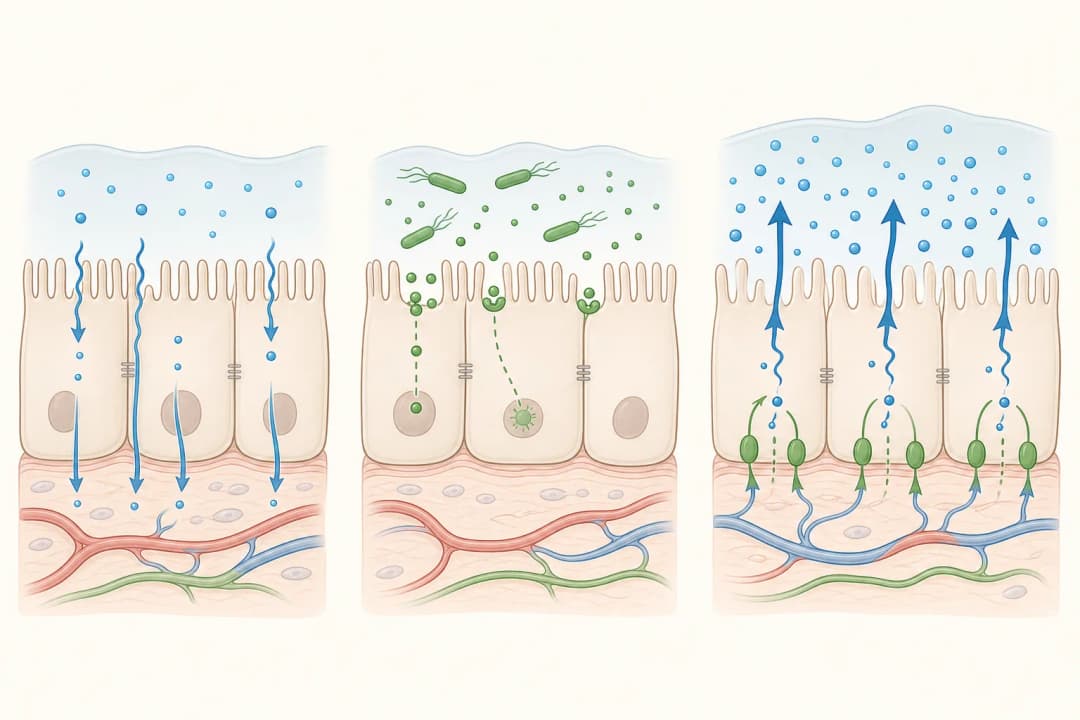
Cholera bacteria are swallowed in contaminated water or food. In the small intestine, some strains produce a toxin that changes how intestinal cells handle water and salts. This can create profuse watery diarrhoea and vomiting. The body may lose fluid faster than a person can drink, leading to thirst, dry mouth, weakness, dizziness, reduced urine or confusion.
The word pathogen means an organism capable of causing disease; it does not identify the severity of a particular episode. Other infections can cause similar bowel symptoms, so a clinician may use the history, examination and testing when appropriate.
Steps that help
Use a commercially prepared oral rehydration solution according to its instructions and take small sips often. Continue breastfeeding and normal foods if tolerated. Use safe water for drinking, cooking and handwashing, and clean toilet surfaces carefully. Keep soiled laundry separate and avoid preparing meals for other people until well.
If drinking cannot keep up with losses, a medical team may give [IV Fluid Therapy](/treatments/acute-and-urgent-care/iv-fluid-therapy/). See [Oral Rehydration Therapy](/treatments/acute-and-urgent-care/oral-rehydration-therapy/) for the role of replacement fluids.
When to seek care
Arrange urgent assessment for ongoing watery diarrhoea, repeated vomiting, faintness, confusion, severe weakness, minimal urine or an inability to swallow fluids. Seek emergency help if someone collapses or is difficult to wake. Use the [Diarrhoea](/symptoms/diarrhoea/) guide alongside advice from a clinician.
Questions for your doctor
Ask whether the illness needs a stool test, how to judge hydration, whether treatment beyond fluids is indicated, and how to reduce spread at home. Explain the timing of symptoms, suspected exposure, vomiting, urine output and any medical conditions or medicines.
Find care
General Clinics & Polyclinics in Abu Dhabi
That answer is general. If you want it applied to your own case, these are licensed general clinics & polyclinics listed in Abu Dhabi.
27 Ar Ruwwad St - Shakhbout City - MSH4 - Abu Dhabi - United Arab Emirates
Accepts: Daman, Thiqa, Cigna, MetLife +20 more
Al Ruwais, Al Dhafrah
Accepts: Daman, Thiqa, AXA, Cigna +16 more
Al Bahyah - Al Bahyah Old - Abu Dhabi - United Arab Emirates
Accepts: Daman, Thiqa, Cigna, Allianz Care +18 more
Abu Dhabi
Accepts: Daman, Thiqa, AXA, Cigna +27 more
Ordered by verification status and how complete each clinic's public record is, then alphabetically. This is a directory listing, not a ranking — Zavis does not rate or recommend providers.
A factual listing drawn from the DHA, DOH and MOHAP licence registers. It is not a referral, an endorsement, or advice that any of these providers is right for you.
Questions people ask
How does the cholera pathogen spread?
It is usually swallowed through contaminated water or food, especially where sanitation and hand hygiene are difficult.
Can the pathogen cause dehydration quickly?
Yes. Its intestinal effects can produce substantial watery losses, making early fluid replacement and clinical assessment important.
Related
Related reading
Keep reading
Medical disclaimer. This page is general health information, not medical advice, and it cannot diagnose you. Always consult a licensed healthcare provider about your own symptoms and treatment. In an emergency in the UAE, call 998 for an ambulance.