
What should you know about cholera outbreak year?
Short answer
The year of a cholera outbreak identifies when transmission was recorded; it does not by itself predict your current risk.
This answers one question. It is not a diagnosis and does not replace an assessment by a licensed doctor.
At a glance
- What the year shows
- When transmission was recorded
- What it cannot show
- Your individual diagnosis
- Current guide
- Local health authority advice
Putting outbreak dates into context
An outbreak date belongs to a particular place, population and period. Water conditions, sanitation, travel patterns, surveillance and public-health measures can change after that time. An old report may explain a historical event without showing that cholera is circulating where you live now. A recent alert may still require local interpretation because exposure depends on the affected area and source.
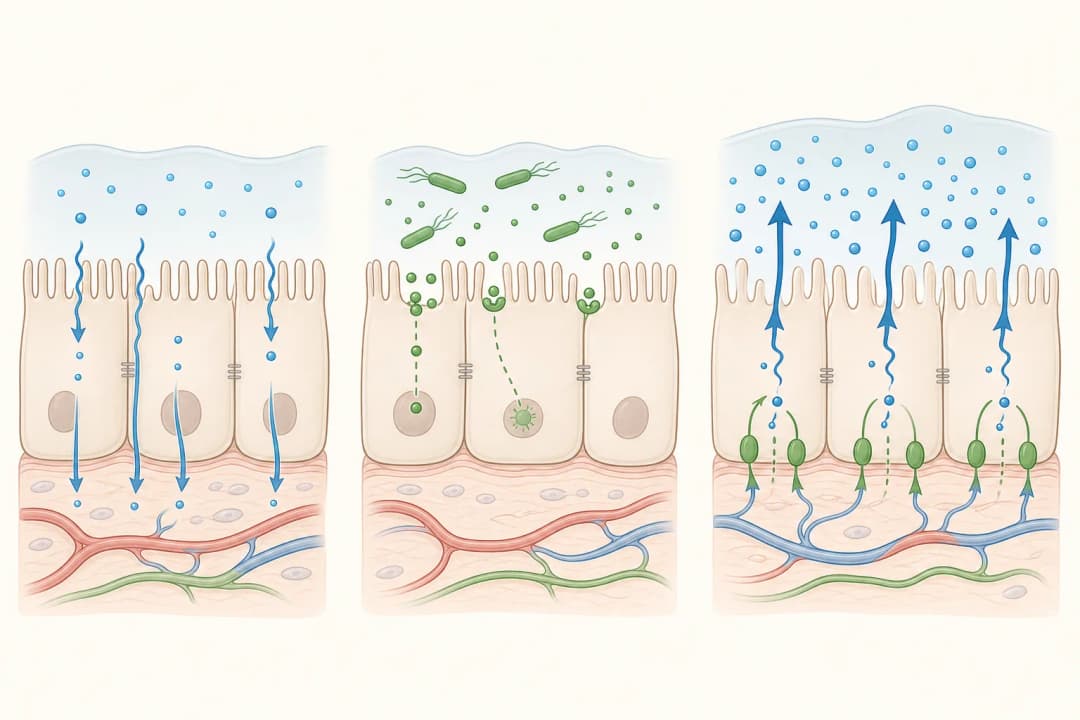
Cholera is caused by Vibrio cholerae and can lead to rapid fluid loss through watery diarrhoea. A date is not a diagnosis, and [Diarrhoea](/symptoms/diarrhoea/) has many possible causes.
How to use the information
Check the date, location and issuing health authority when reading an outbreak report. For current decisions, follow local guidance on water, food and travel rather than relying on a historical headline. Use safe water, wash hands with soap and cook food thoroughly. If watery diarrhoea occurs, begin oral rehydration solution as directed and arrange medical advice. [Oral Rehydration Therapy](/treatments/acute-and-urgent-care/oral-rehydration-therapy/) supports replacement of lost water and salts.
Do not wait when dehydration appears
Urgent assessment is needed for severe thirst, dry mouth, faintness, confusion, minimal urine, marked weakness, repeated vomiting or ongoing watery stools. These signs matter whether an outbreak report is current or historical. Children, older adults and people with other health conditions may need help sooner. Medical teams can give [IV Fluid Therapy](/treatments/acute-and-urgent-care/iv-fluid-therapy/) when oral replacement cannot keep pace.
Questions for a clinician
Ask whether the report applies to your location and travel dates, whether your symptoms need testing, what fluids to use, and which warning signs require immediate return. Mention the date and place of possible exposure, the time symptoms began, and any shared food or water.
Find care
General Clinics & Polyclinics in Abu Dhabi
That answer is general. If you want it applied to your own case, these are licensed general clinics & polyclinics listed in Abu Dhabi.
27 Ar Ruwwad St - Shakhbout City - MSH4 - Abu Dhabi - United Arab Emirates
Accepts: Daman, Thiqa, Cigna, MetLife +20 more
Al Ruwais, Al Dhafrah
Accepts: Daman, Thiqa, AXA, Cigna +16 more
Al Bahyah - Al Bahyah Old - Abu Dhabi - United Arab Emirates
Accepts: Daman, Thiqa, Cigna, Allianz Care +18 more
Abu Dhabi
Accepts: Daman, Thiqa, AXA, Cigna +27 more
Ordered by verification status and how complete each clinic's public record is, then alphabetically. This is a directory listing, not a ranking — Zavis does not rate or recommend providers.
A factual listing drawn from the DHA, DOH and MOHAP licence registers. It is not a referral, an endorsement, or advice that any of these providers is right for you.
Questions people ask
Does an old cholera outbreak still affect me?
The date alone cannot answer that. Current risk depends on present transmission, location, exposure and local public-health guidance.
Should symptoms be ignored if the outbreak was in another year?
No. Watery diarrhoea with dehydration signs needs prompt medical assessment regardless of the report date.
Related
Related reading
Keep reading
Medical disclaimer. This page is general health information, not medical advice, and it cannot diagnose you. Always consult a licensed healthcare provider about your own symptoms and treatment. In an emergency in the UAE, call 998 for an ambulance.