
What should you know about cholera how long does it last?
Short answer
Cholera symptoms may settle within several days with prompt treatment, but dehydration can become dangerous much sooner.
This answers one question. It is not a diagnosis and does not replace an assessment by a licensed doctor.
At a glance
- Typical focus
- Replace fluid and salts without delay
- Course
- Symptoms can improve over several days, but severity varies
- Recovery check
- Urination, alertness, and ability to drink should improve
How the illness can unfold
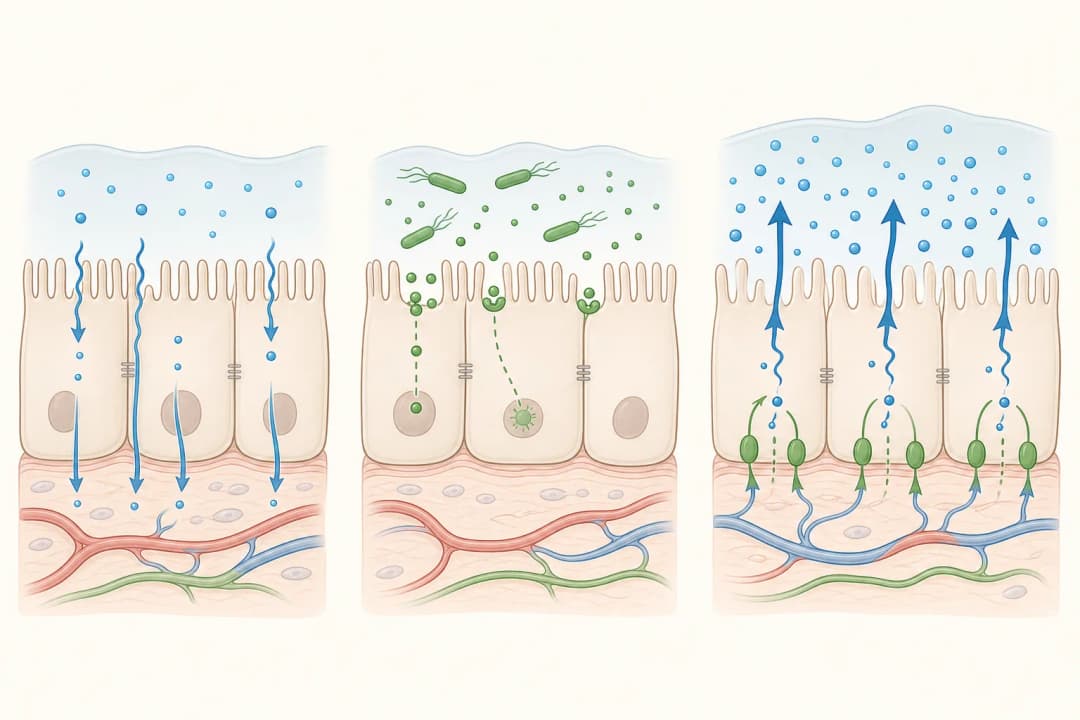
Cholera may begin suddenly with watery diarrhoea, vomiting, thirst, weakness, or cramps. The amount of fluid lost can be substantial, so the immediate risk is dehydration rather than waiting to see whether the illness passes. Some infections are mild, while severe illness can deteriorate quickly without replacement of water and salts.
Recovery time varies with the severity of fluid loss, the person’s age and health, and how quickly treatment begins. Symptoms improving does not remove the need to follow advice about safe water, hygiene, and food handling, because contamination can continue to affect other people.
Support recovery
Begin Oral Rehydration Therapy promptly if the person is awake and can swallow, using frequent small sips and continuing while diarrhoea or vomiting persists. Contact a healthcare professional for suspected cholera rather than waiting for symptoms to end. Eat light, safe foods as tolerated and use treated or sealed water. Severe dehydration, ongoing losses, or inability to drink may call for IV Fluid Therapy and observation.
Do not wait with these signs
Seek urgent care if diarrhoea or vomiting continues, the person passes very little urine, becomes dizzy or faint, has a dry mouth and intense thirst, develops cold hands or feet, or becomes weak or unusually sleepy. Emergency help is needed for confusion, collapse, or inability to wake. Young children, older adults, pregnant people, and those with other illnesses should receive advice early.
Questions about recovery
Ask how long to continue rehydration, when normal meals and activities can resume, whether testing or follow-up is needed, and which ongoing symptoms require review. Explain when the illness began, how the fluid losses are changing, what has been drunk, and whether urination has returned to normal.
Find care
General Clinics & Polyclinics in Abu Dhabi
That answer is general. If you want it applied to your own case, these are licensed general clinics & polyclinics listed in Abu Dhabi.
27 Ar Ruwwad St - Shakhbout City - MSH4 - Abu Dhabi - United Arab Emirates
Accepts: Daman, Thiqa, Cigna, MetLife +20 more
Al Ruwais, Al Dhafrah
Accepts: Daman, Thiqa, AXA, Cigna +16 more
Al Bahyah - Al Bahyah Old - Abu Dhabi - United Arab Emirates
Accepts: Daman, Thiqa, Cigna, Allianz Care +18 more
Abu Dhabi
Accepts: Daman, Thiqa, AXA, Cigna +27 more
Ordered by verification status and how complete each clinic's public record is, then alphabetically. This is a directory listing, not a ranking — Zavis does not rate or recommend providers.
A factual listing drawn from the DHA, DOH and MOHAP licence registers. It is not a referral, an endorsement, or advice that any of these providers is right for you.
Questions people ask
Can cholera become serious in a short time?
Yes. Fluid loss may cause dangerous dehydration before diarrhoea has settled, so urgent assessment and rehydration are essential.
What if symptoms continue after several days?
Contact a clinician promptly, particularly if drinking is difficult, urine is reduced, weakness is increasing, or vomiting continues.
Related
Related reading
Keep reading
Medical disclaimer. This page is general health information, not medical advice, and it cannot diagnose you. Always consult a licensed healthcare provider about your own symptoms and treatment. In an emergency in the UAE, call 998 for an ambulance.