
What should you know about cholera description?
Short answer
Cholera is a bacterial intestinal infection spread through contaminated food or water, with watery diarrhoea and dehydration as its central concerns.
This answers one question. It is not a diagnosis and does not replace an assessment by a licensed doctor.
At a glance
- Transmission
- Contaminated food or water
- Core symptom
- Watery diarrhoea
- Core response
- Replace fluid and salts quickly
A clear description of cholera
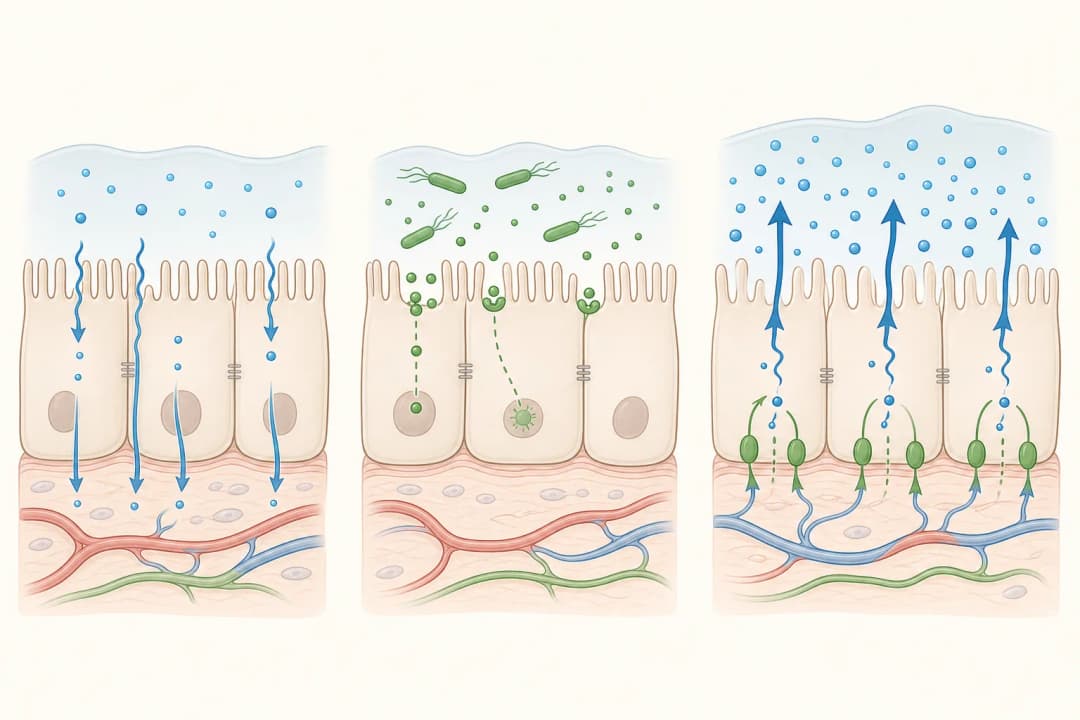
Cholera bacteria enter the body when contaminated water or food is swallowed. They affect the small intestine and can cause the body to release water and salts into the bowel. The result may be sudden, profuse watery diarrhoea, with vomiting in some people. Others have less severe illness, so the absence of dramatic symptoms does not rule out infection.
The illness becomes dangerous when fluid loss exceeds intake. Signs include intense thirst, dry mouth, dizziness, weakness and reduced urine. Poor concentration, unusual drowsiness, sunken eyes or cold skin suggest more advanced dehydration. Prompt replacement of fluid and electrolytes is the main protective action.
Care and prevention
Begin oral rehydration solution promptly when watery diarrhoea starts, using the correct packet-to-water instructions. Take small sips often and continue feeding or breastfeeding as tolerated. Seek medical advice so hydration can be assessed and treatment tailored; IV Fluid Therapy may be needed when drinking is impossible or dehydration is severe. Prevent spread by using safe water, washing hands with soap, cooking food thoroughly, keeping food covered and cleaning contaminated bathroom surfaces.
When to get immediate help
Urgent assessment is needed for severe or repeated watery diarrhoea, ongoing vomiting, fainting, confusion, very little urine, inability to drink or rapidly increasing weakness. Do not travel long distances alone if dizzy or faint. Emergency services should be called for collapse, unresponsiveness or severe breathing problems. Mention any recent travel, unsafe-water exposure or contact with a person who has had similar illness.
Questions for your doctor
Ask how cholera is confirmed, how to judge hydration, whether household contacts need advice, which fluids are suitable, and when normal food and activities can resume.
Find care
General Clinics & Polyclinics in Abu Dhabi
That answer is general. If you want it applied to your own case, these are licensed general clinics & polyclinics listed in Abu Dhabi.
27 Ar Ruwwad St - Shakhbout City - MSH4 - Abu Dhabi - United Arab Emirates
Accepts: Daman, Thiqa, Cigna, MetLife +20 more
Al Ruwais, Al Dhafrah
Accepts: Daman, Thiqa, AXA, Cigna +16 more
Al Bahyah - Al Bahyah Old - Abu Dhabi - United Arab Emirates
Accepts: Daman, Thiqa, Cigna, Allianz Care +18 more
Abu Dhabi
Accepts: Daman, Thiqa, AXA, Cigna +27 more
Ordered by verification status and how complete each clinic's public record is, then alphabetically. This is a directory listing, not a ranking — Zavis does not rate or recommend providers.
A factual listing drawn from the DHA, DOH and MOHAP licence registers. It is not a referral, an endorsement, or advice that any of these providers is right for you.
Questions people ask
What makes cholera different from ordinary stomach upset?
Cholera can cause unusually rapid, high-volume fluid loss, making dehydration the immediate concern.
How can spread be reduced?
Use safe water, wash hands with soap, cook food thoroughly and keep contaminated waste away from food and drinking supplies.
Related
Related reading
Keep reading
Medical disclaimer. This page is general health information, not medical advice, and it cannot diagnose you. Always consult a licensed healthcare provider about your own symptoms and treatment. In an emergency in the UAE, call 998 for an ambulance.