
What causes postnatal depression?
Short answer
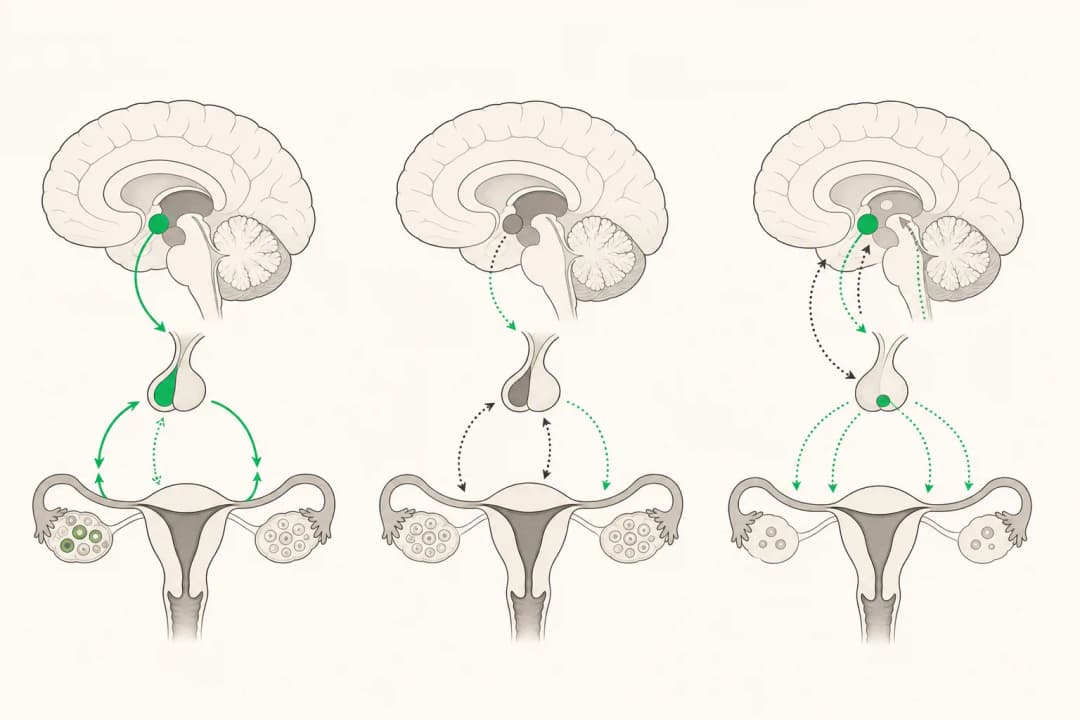
Postnatal depression usually develops through a combination of physical recovery, hormonal shifts, emotional strain, disrupted sleep, and personal or social pressures rather than one single cause.
This answers one question. It is not a diagnosis and does not replace an assessment by a licensed doctor.
At a glance
- Cause
- Several biological, psychological, and social factors may overlap.
- Treatment
- Support can be tailored to symptoms, circumstances, and feeding plans.
How different pressures can combine
After birth, rapid hormonal changes, pain, feeding difficulties, interrupted sleep, and recovery from pregnancy or delivery can affect mood and coping. A difficult or frightening birth, worry about the baby's health, limited practical support, relationship strain, financial stress, or isolation can add to the burden.
Previous depression, anxiety, bipolar disorder, trauma, or postnatal mental health problems can increase vulnerability. Postnatal depression is not caused by weakness, poor parenting, or failure to bond. It can occur after any kind of birth and may begin gradually, making it hard to separate from ordinary exhaustion at first.
Steps towards support
Tell a trusted person and contact a maternity clinician, family doctor, or mental health professional if low mood, loss of interest, guilt, anxiety, irritability, or disconnection is affecting daily life. Mention sleep and appetite changes, intrusive thoughts, previous mental health episodes, medicines, thyroid symptoms, and how safely you can care for yourself and the baby.
Care can include talking therapy, practical and family support, peer support, and medication when appropriate. A prescriber can discuss choices alongside breastfeeding or other feeding plans. Accepting help with meals, rest, appointments, and baby care can create room for recovery while professional treatment begins.
Urgent mental health warning signs
Seek emergency help now if there are thoughts of suicide, self-harm, or harming the baby; an inability to keep yourself or the baby safe; severe confusion; extreme agitation; unusual beliefs; or seeing or hearing things that others do not. Stay with the affected person, remove immediate hazards if this can be done safely, and contact local emergency services.
Topics to raise at an appointment
Discuss whether your symptoms fit postnatal depression or another medical or mental health condition, what treatment can begin now, and how feeding preferences affect medication choices. Ask for a clear safety plan, a follow-up date, and guidance for your partner or support person.
Find care
General Clinics & Polyclinics in Abu Dhabi
That answer is general. If you want it applied to your own case, these are licensed general clinics & polyclinics listed in Abu Dhabi.
27 Ar Ruwwad St - Shakhbout City - MSH4 - Abu Dhabi - United Arab Emirates
Accepts: Daman, Thiqa, Cigna, MetLife +20 more
Al Ruwais, Al Dhafrah
Accepts: Daman, Thiqa, AXA, Cigna +16 more
Al Bahyah - Al Bahyah Old - Abu Dhabi - United Arab Emirates
Accepts: Daman, Thiqa, Cigna, Allianz Care +18 more
Abu Dhabi
Accepts: Daman, Thiqa, AXA, Cigna +27 more
Ordered by verification status and how complete each clinic's public record is, then alphabetically. This is a directory listing, not a ranking — Zavis does not rate or recommend providers.
A factual listing drawn from the DHA, DOH and MOHAP licence registers. It is not a referral, an endorsement, or advice that any of these providers is right for you.
Questions people ask
Is postnatal depression the same as temporary low mood after birth?
No. Brief emotional changes can settle, while depression tends to persist or interfere with functioning, enjoyment, relationships, or care. A clinician can assess symptoms rather than relying on duration alone.
Can a partner or non-birthing parent develop depression after a baby arrives?
Yes. Sleep loss, adjustment, stress, and previous mental health difficulties can affect partners too. They should seek an assessment if mood or functioning changes.
Related
Related reading
Keep reading
Medical disclaimer. This page is general health information, not medical advice, and it cannot diagnose you. Always consult a licensed healthcare provider about your own symptoms and treatment. In an emergency in the UAE, call 998 for an ambulance.