
Can type 2 diabetes cause diabetic foot ulcer?
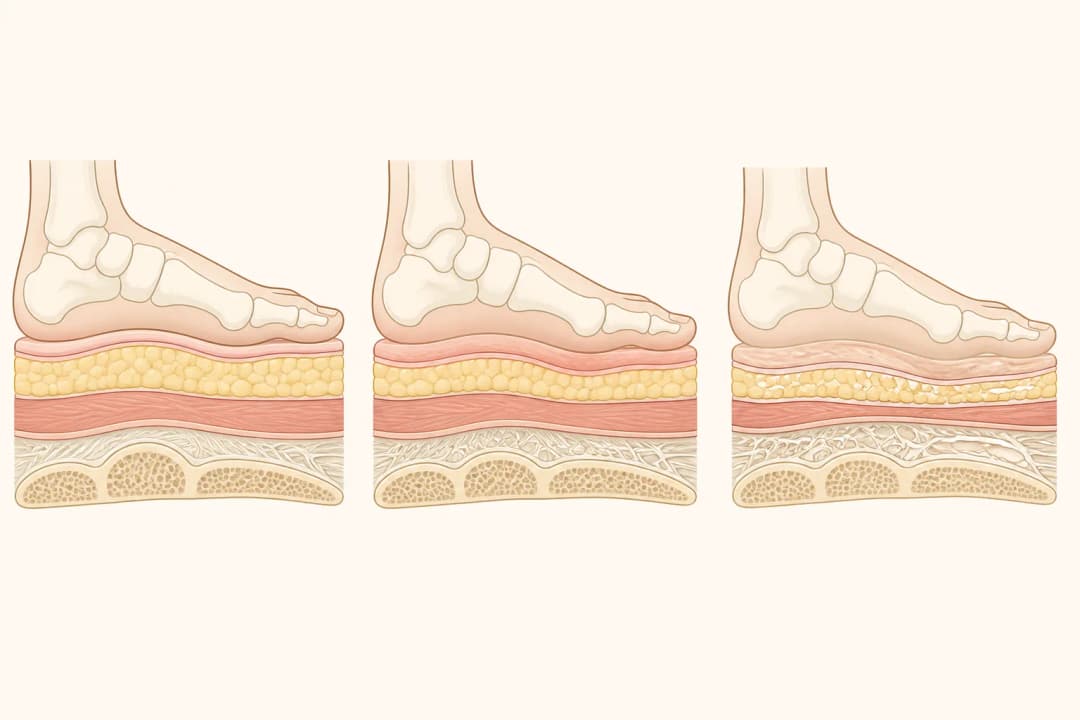
Short answer
Yes. Type 2 diabetes can contribute to a diabetic foot ulcer when nerve damage, reduced circulation, or slower healing allows a small injury to worsen.
This answers one question. It is not a diagnosis and does not replace an assessment by a licensed doctor.
At a glance
- Common pathway
- Nerve damage can hide pressure or injury.
- Daily habit
- Inspect both feet, including the soles and between the toes.
How a foot ulcer can develop
High blood glucose over time may damage nerves, reducing the ability to feel heat, pressure, rubbing, or a cut. Diabetes can also affect blood flow and make healing more difficult. A blister from footwear, a cracked area of skin, or a minor wound may therefore go unnoticed and become infected. Not every foot wound is a diabetic foot ulcer, but any break in the skin deserves attention when you have diabetes. Inspecting both feet helps you notice changes that sensation may not reveal.
What to do for foot protection
Look at the tops, soles, heels, and spaces between the toes each day, using a mirror if needed. Wash gently, dry carefully, and moisturise dry skin without applying cream between the toes. Wear well-fitting shoes and clean socks; do not walk barefoot. Do not cut corns, use harsh wart products, or remove thick skin yourself. Arrange a foot review for a blister, crack, cut, colour change, swelling, or area that stays warm or painful.
When to seek care
Get same-day medical advice for an open wound, spreading redness, warmth, swelling, pus, unpleasant smell, fever, or a foot that suddenly changes colour. Seek urgent help if you feel very unwell, become confused, or develop rapidly worsening pain or swelling. Reduced sensation does not make a wound harmless; it can simply hide its severity.
Questions for your doctor
Ask: Do I have reduced sensation or circulation in either foot? How should I dress a wound, and who should review it? What footwear is suitable, and how often should my feet be checked?
Find care
General Clinics & Polyclinics in Abu Dhabi
That answer is general. If you want it applied to your own case, these are licensed general clinics & polyclinics listed in Abu Dhabi.
27 Ar Ruwwad St - Shakhbout City - MSH4 - Abu Dhabi - United Arab Emirates
Accepts: Daman, Thiqa, Cigna, MetLife +20 more
Al Ruwais, Al Dhafrah
Accepts: Daman, Thiqa, AXA, Cigna +16 more
Al Bahyah - Al Bahyah Old - Abu Dhabi - United Arab Emirates
Accepts: Daman, Thiqa, Cigna, Allianz Care +18 more
Abu Dhabi
Accepts: Daman, Thiqa, AXA, Cigna +27 more
Ordered by verification status and how complete each clinic's public record is, then alphabetically. This is a directory listing, not a ranking — Zavis does not rate or recommend providers.
A factual listing drawn from the DHA, DOH and MOHAP licence registers. It is not a referral, an endorsement, or advice that any of these providers is right for you.
Questions people ask
Can a small blister become serious?
It can worsen when sensation, circulation, or healing is affected, so arrange advice rather than ignoring it.
Should I treat a corn at home?
Avoid cutting it or using strong chemical treatments yourself; ask a clinician or foot-care professional for safer advice.
Keep reading
Medical disclaimer. This page is general health information, not medical advice, and it cannot diagnose you. Always consult a licensed healthcare provider about your own symptoms and treatment. In an emergency in the UAE, call 998 for an ambulance.