
“Bronson bearings ceramic” and orthopaedic ceramic bearings
Short answer
“Bronson bearings ceramic” is an ambiguous phrase; confirm the exact product, because an orthopaedic ceramic bearing is a specific joint-replacement component rather than a general ceramic bearing.
This answers one question. It is not a diagnosis and does not replace an assessment by a licensed doctor.
At a glance
- First step
- Verify the exact product name and whether it is a medical implant
- Orthopaedic meaning
- Surfaces that move against each other in a replaced joint
- Decision basis
- The full implant system and the patient’s clinical needs
What a ceramic bearing means in joint replacement
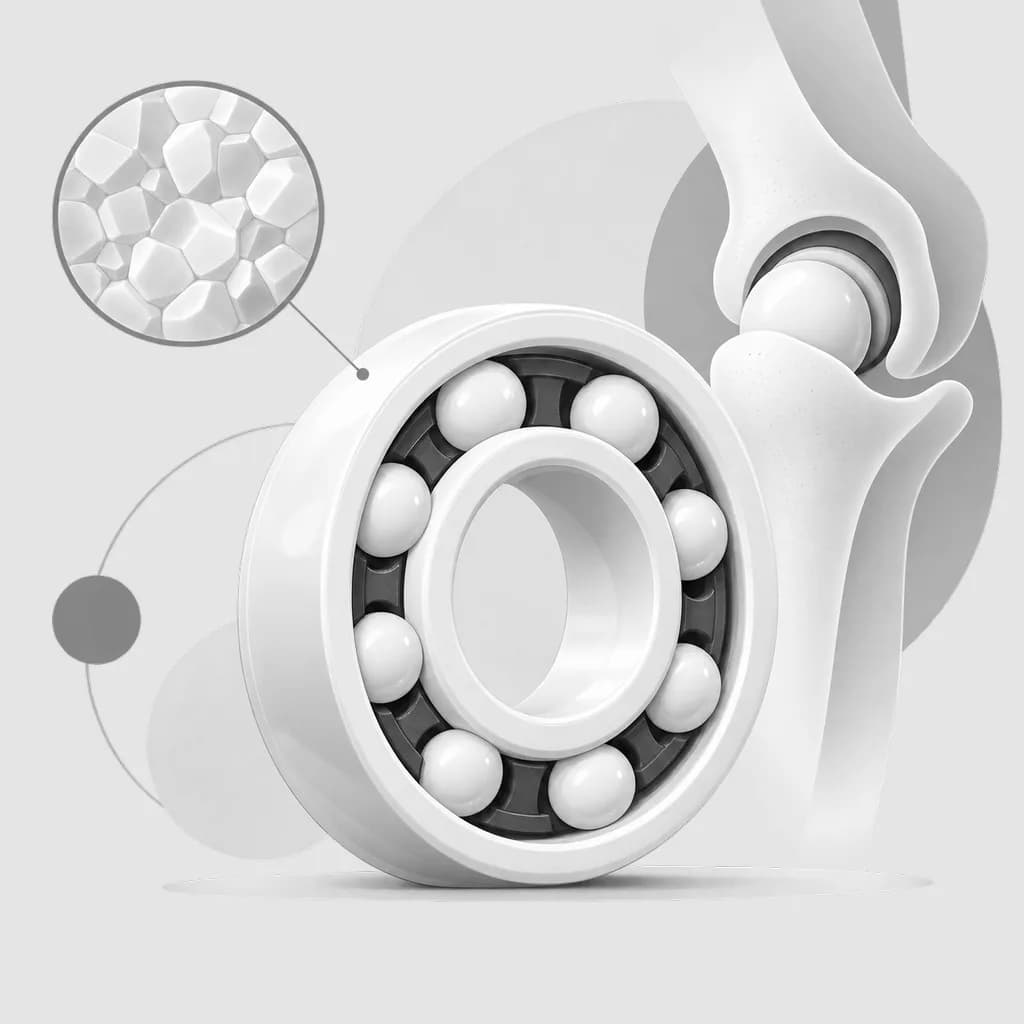
In orthopaedics, the bearing is the pair of implant surfaces that move against each other in a replaced joint. Ceramic may form one or both of those surfaces, depending on the implant design. The word does not identify the complete implant, its manufacturer or whether it suits a particular patient.
Material choice is only one part of planning. The surgeon also considers the joint being replaced, component design, fixation, anatomy, activity needs, medical history and compatibility between implant parts.
Check the name before making a health decision
Look for the exact wording on an implant card, clinic letter or product label. If the term came from a website or conversation, ask whether it refers to a medical implant or an unrelated type of bearing. Do not use a commercial product name alone to infer implant material or performance.
For planned surgery, discuss the full bearing combination and why it was proposed. For an existing joint replacement, keep the implant details available and share them with clinicians assessing new symptoms.
When a replaced joint needs assessment
Seek urgent medical assessment after joint replacement for sudden inability to bear weight, obvious deformity, a new injury with severe pain, or a hot swollen joint accompanied by fever or feeling acutely unwell.
Arrange orthopaedic review for persistent new pain, clicking or squeaking associated with pain, declining function, wound changes or a sense that the joint is unstable. Symptoms and examination, rather than the material name alone, guide the next steps.
Questions about the bearing choice
Ask which surfaces form the bearing, what alternative materials are suitable, and why the recommended combination fits your circumstances. Confirm how the precise implant can be identified later and which symptoms should prompt contact with the surgical team.
Find care
General Clinics & Polyclinics in Abu Dhabi
That answer is general. If you want it applied to your own case, these are licensed general clinics & polyclinics listed in Abu Dhabi.
27 Ar Ruwwad St - Shakhbout City - MSH4 - Abu Dhabi - United Arab Emirates
Accepts: Daman, Thiqa, Cigna, MetLife +20 more
Al Ruwais, Al Dhafrah
Accepts: Daman, Thiqa, AXA, Cigna +16 more
Al Bahyah - Al Bahyah Old - Abu Dhabi - United Arab Emirates
Accepts: Daman, Thiqa, Cigna, Allianz Care +18 more
Abu Dhabi
Accepts: Daman, Thiqa, AXA, Cigna +27 more
Ordered by verification status and how complete each clinic's public record is, then alphabetically. This is a directory listing, not a ranking — Zavis does not rate or recommend providers.
A factual listing drawn from the DHA, DOH and MOHAP licence registers. It is not a referral, an endorsement, or advice that any of these providers is right for you.
Questions people ask
Does “ceramic bearing” name the whole joint implant?
No. It describes material used at an articulating surface. A joint replacement also includes other components whose materials and design may differ.
Is a ceramic bearing suitable for everyone having joint replacement?
Suitability is individual. The surgeon weighs implant compatibility, anatomy, activity, medical factors and available bearing combinations before recommending a system.
Can a product name tell me which implant I have?
A partial or uncertain name is not enough. Check an implant card or operative record, or ask the hospital or surgeon for the precise component details.
Related
Related reading
Keep reading
Medical disclaimer. This page is general health information, not medical advice, and it cannot diagnose you. Always consult a licensed healthcare provider about your own symptoms and treatment. In an emergency in the UAE, call 998 for an ambulance.