
Treating a broken hip without surgery
Short answer
Some broken hips are managed without surgery when an operation offers limited benefit or carries excessive burden, but close supportive care remains essential.
This answers one question. It is not a diagnosis and does not replace an assessment by a licensed doctor.
At a glance
- Decision basis
- Fracture stability, health, prior function, likely benefit, and personal goals
- Care still includes
- Pain control, safe movement, skin care, nutrition, and complication prevention
- Planning need
- Written guidance for transfers, equipment, medicines, and urgent contact
The short answer
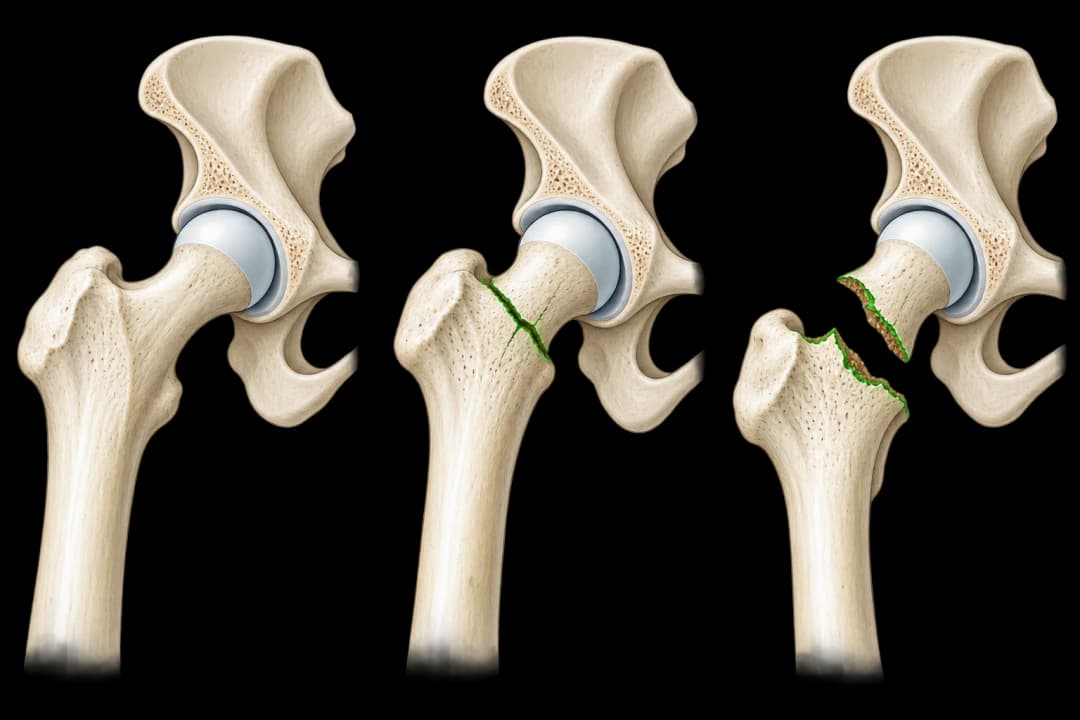
This decision is individual. It may apply to a stable fracture or to a person whose overall condition, previous mobility, treatment goals, or serious illness makes an operation unlikely to provide enough advantage.
How non-operative care works
Care without an operation does not mean no treatment. The plan may include regular pain relief, supported positioning, skin protection, nutrition and hydration support, bowel care, and measures to reduce blood-clot and chest problems. Imaging may be repeated when the result would change management.
Movement guidance depends on fracture stability and the person's goals. Some people may transfer or walk with assistance, while others need equipment and extensive help. The team should explain whether it expects bone healing, gradual supported mobility, or primarily relief of pain and distress.
Daily priorities for patients and carers
Use pain medicine on the agreed schedule, especially before washing, repositioning, or therapy. Follow the stated weight-bearing limit and use trained help for transfers. Check heels, hips, and lower back for redness or skin damage, and change position according to the care plan.
Encourage fluids and suitable meals if swallowing and medical instructions allow. Keep familiar aids such as glasses and hearing devices available, because clear orientation supports participation. Ask for physiotherapy or occupational therapy input on seating, toileting, walking aids, and home equipment.
Urgent concerns during non-surgical care
Call emergency services for chest pain, sudden shortness of breath, coughing blood, collapse, or severe new unresponsiveness. A newly swollen painful calf, uncontrolled hip pain, cold or numb foot, fever, or sudden inability to transfer also needs prompt clinical advice.
Report increasing confusion, marked sleepiness, reduced urine, inability to keep fluids down, constipation with abdominal swelling, or spreading skin breakdown. These are not changes to wait for until a routine appointment.
Questions for a shared decision
Ask what surgery could realistically achieve, what burdens it would add, and why non-operative care is recommended. Request clear goals for comfort and mobility, who to contact when symptoms change, what help carers need, and whether palliative-care expertise would improve symptom support.
Find care
General Clinics & Polyclinics in Abu Dhabi
That answer is general. If you want it applied to your own case, these are licensed general clinics & polyclinics listed in Abu Dhabi.
27 Ar Ruwwad St - Shakhbout City - MSH4 - Abu Dhabi - United Arab Emirates
Accepts: Daman, Thiqa, Cigna, MetLife +20 more
Al Ruwais, Al Dhafrah
Accepts: Daman, Thiqa, AXA, Cigna +16 more
Al Bahyah - Al Bahyah Old - Abu Dhabi - United Arab Emirates
Accepts: Daman, Thiqa, Cigna, Allianz Care +18 more
Abu Dhabi
Accepts: Daman, Thiqa, AXA, Cigna +27 more
Ordered by verification status and how complete each clinic's public record is, then alphabetically. This is a directory listing, not a ranking — Zavis does not rate or recommend providers.
A factual listing drawn from the DHA, DOH and MOHAP licence registers. It is not a referral, an endorsement, or advice that any of these providers is right for you.
Questions people ask
Does choosing no surgery mean the hip will never heal?
Healing potential varies with the fracture pattern, blood supply, movement at the break, and general health. The clinician should explain the expected outcome for the specific injury.
Can the decision about surgery change?
It can be reconsidered if health, symptoms, fracture findings, or treatment goals change. The team can explain which new information would alter its recommendation.
Related
Related reading
Keep reading
Medical disclaimer. This page is general health information, not medical advice, and it cannot diagnose you. Always consult a licensed healthcare provider about your own symptoms and treatment. In an emergency in the UAE, call 998 for an ambulance.