
What a frozen face can mean after Botox
Short answer
A frozen-face feeling after Botox usually reflects reduced movement in treated muscles, but marked weakness or swallowing and breathing symptoms require urgent assessment.
This answers one question. It is not a diagnosis and does not replace an assessment by a licensed doctor.
At a glance
- Possible feeling
- Less expression, tightness, heaviness, or unfamiliar movement
- Assessment checks
- Brow, eyelid, smile, speech, swallowing, and breathing
- Urgent symptoms
- Breathing or swallowing difficulty, spreading weakness, or vision change
Understanding reduced movement
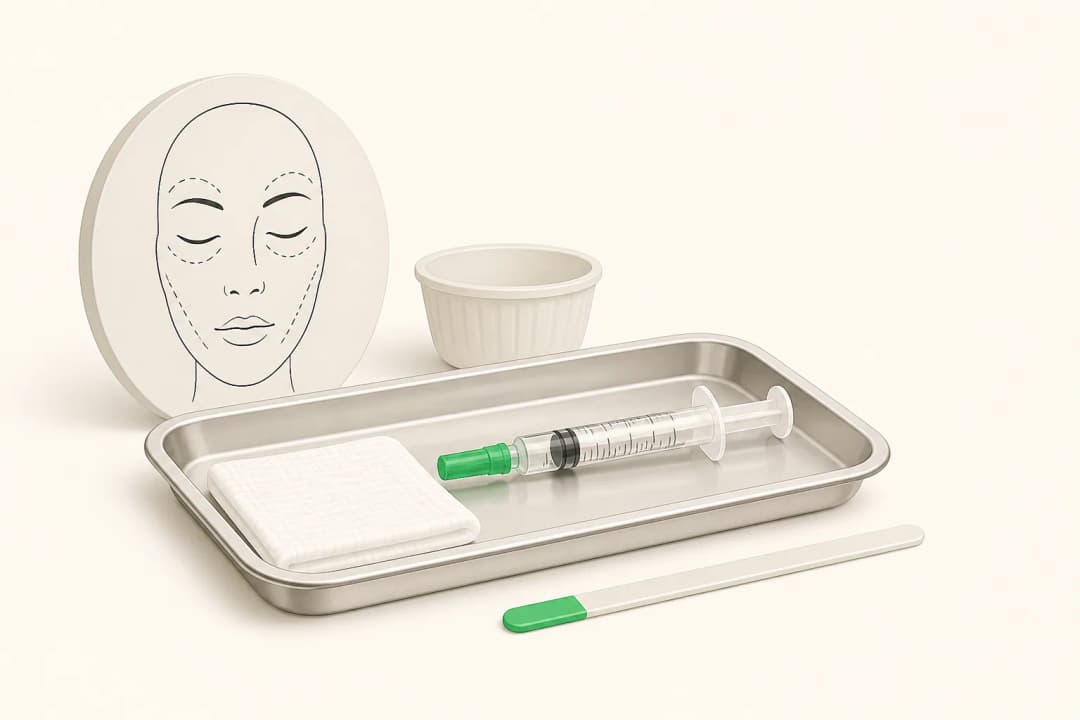
Botox temporarily weakens selected muscles by interrupting the nerve signals that make them contract. A face may feel less expressive, tight, heavy, or unfamiliar when brow, forehead, or eye-area movement has been reduced. The experience can be more noticeable when treatment affects several nearby muscles or when the dose does not match your movement pattern.
The goal is usually to soften lines while keeping useful expression and facial balance. Botox does not add volume or correct every wrinkle, especially lines that remain while the face is relaxed. Effects change gradually as nerve-to-muscle communication returns.
What to do next
Contact the treating clinician for an examination if the result feels substantially different from the agreed plan. Bring the treatment date, areas treated, product details if available, and a list of medicines. Do not arrange extra injections or massage the area without clinical advice.
A clinician can check eyelid and brow position, smile symmetry, speech, swallowing, and other muscle function. Mild bruising, tenderness, redness, swelling, or headache may be part of the injection experience. Follow the clinic’s aftercare instructions and attend the planned review.
When to seek care
Seek urgent medical help for trouble breathing or swallowing, rapidly spreading weakness, slurred speech, severe allergic symptoms, or sudden vision changes. Arrange prompt review for a drooping eyelid, inability to close an eye, double vision, or significant facial asymmetry, particularly if symptoms are worsening.
Questions for your doctor
Ask which muscles were targeted, whether your movement reduction is expected for the treatment plan, how eye protection or facial function should be monitored, and when improvement should be reviewed. Discuss how future dosing could preserve more expression.
Find care
General Clinics & Polyclinics in Abu Dhabi
That answer is general. If you want it applied to your own case, these are licensed general clinics & polyclinics listed in Abu Dhabi.
27 Ar Ruwwad St - Shakhbout City - MSH4 - Abu Dhabi - United Arab Emirates
Accepts: Daman, Thiqa, Cigna, MetLife +20 more
Al Ruwais, Al Dhafrah
Accepts: Daman, Thiqa, AXA, Cigna +16 more
Al Bahyah - Al Bahyah Old - Abu Dhabi - United Arab Emirates
Accepts: Daman, Thiqa, Cigna, Allianz Care +18 more
Abu Dhabi
Accepts: Daman, Thiqa, AXA, Cigna +27 more
Ordered by verification status and how complete each clinic's public record is, then alphabetically. This is a directory listing, not a ranking — Zavis does not rate or recommend providers.
A factual listing drawn from the DHA, DOH and MOHAP licence registers. It is not a referral, an endorsement, or advice that any of these providers is right for you.
Questions people ask
Does a frozen feeling mean Botox has damaged my face?
A reduced range of movement can reflect the intended temporary muscle effect, but severe or spreading weakness needs medical assessment.
Can the effect be reversed immediately?
There is no simple immediate removal at home; clinical monitoring and time are usually part of managing an unwanted cosmetic effect.
Related
Related reading
Keep reading
Medical disclaimer. This page is general health information, not medical advice, and it cannot diagnose you. Always consult a licensed healthcare provider about your own symptoms and treatment. In an emergency in the UAE, call 998 for an ambulance.