
What should you know about blue cholera?
Short answer
Blue cholera is not a standard medical diagnosis; suspected cholera refers to an intestinal infection that can cause rapid fluid loss through watery diarrhoea.
This answers one question. It is not a diagnosis and does not replace an assessment by a licensed doctor.
At a glance
- Standard term
- Cholera, not a separate blue form
- Main danger
- Rapid loss of water and salts
- Early action
- Start oral rehydration if the person can drink
What the phrase may mean
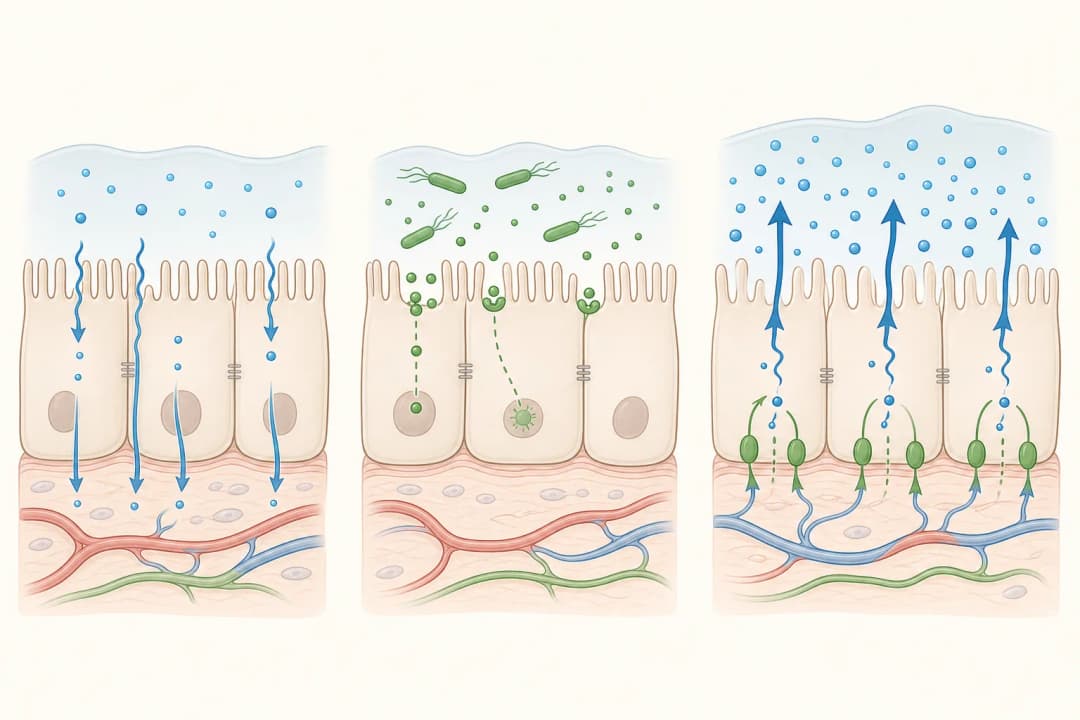
People may use blue cholera to describe a severe-looking illness, a colour change caused by dehydration, or a term heard in conversation. Clinicians instead assess suspected cholera and its effects. The illness can produce profuse watery diarrhoea and vomiting, causing the body to lose water and salts. Severe dehydration may lead to intense thirst, dry mouth, little urine, dizziness, sunken eyes, weakness, or confusion. Colour change around the lips or skin is an emergency sign rather than a label for a separate type of cholera.
What to do
Begin oral rehydration solution as soon as possible if the person is awake and able to drink, using it as directed on the product. Give frequent small sips and continue suitable food when tolerated. Avoid relying on very sugary drinks alone, and do not delay assessment if diarrhoea is heavy or persistent. Use safe water, wash hands carefully, and tell the clinician about recent travel, unsafe water, or contact with someone who has diarrhoea. A healthcare team may provide IV fluid therapy when drinking is not enough.
When urgent care is needed
Seek urgent medical care for signs of dehydration, repeated vomiting, inability to drink, very little urine, fainting, confusion, severe weakness, blood in stool, or a child or older adult becoming unusually sleepy. Emergency help is needed for blue or grey lips, collapse, or difficulty staying awake. Keep giving small sips if safe while arranging help and separate towels and utensils until medical advice is available.
Questions to ask
Ask whether testing is needed, which rehydration product and amount are suitable, and whether IV fluids are required. Clarify how to protect household members and which changes mean the person should return immediately.
Find care
General Clinics & Polyclinics in Abu Dhabi
That answer is general. If you want it applied to your own case, these are licensed general clinics & polyclinics listed in Abu Dhabi.
27 Ar Ruwwad St - Shakhbout City - MSH4 - Abu Dhabi - United Arab Emirates
Accepts: Daman, Thiqa, Cigna, MetLife +20 more
Al Ruwais, Al Dhafrah
Accepts: Daman, Thiqa, AXA, Cigna +16 more
Al Bahyah - Al Bahyah Old - Abu Dhabi - United Arab Emirates
Accepts: Daman, Thiqa, Cigna, Allianz Care +18 more
Abu Dhabi
Accepts: Daman, Thiqa, AXA, Cigna +27 more
Ordered by verification status and how complete each clinic's public record is, then alphabetically. This is a directory listing, not a ranking — Zavis does not rate or recommend providers.
A factual listing drawn from the DHA, DOH and MOHAP licence registers. It is not a referral, an endorsement, or advice that any of these providers is right for you.
Questions people ask
What does blue skin mean during severe diarrhoea?
Blue or grey lips can signal a medical emergency. Seek emergency help rather than treating it as a colour variant of cholera.
When are IV fluids used?
IV fluid therapy may be needed when dehydration is severe, vomiting prevents drinking, or oral rehydration is not restoring fluids adequately.
Related
Related reading
Keep reading
Medical disclaimer. This page is general health information, not medical advice, and it cannot diagnose you. Always consult a licensed healthcare provider about your own symptoms and treatment. In an emergency in the UAE, call 998 for an ambulance.