
What should you know about the bedwetting hormone?
Short answer
The bedwetting hormone helps reduce urine production overnight, but bedwetting can have several causes and is treatable.
This answers one question. It is not a diagnosis and does not replace an assessment by a licensed doctor.
At a glance
- Hormone role
- Helps lower urine production during sleep
- Do not do
- Do not restrict fluids to force dry nights
- Review promptly
- New thirst, pain, fever or recurrent wetting
How the hormone fits in
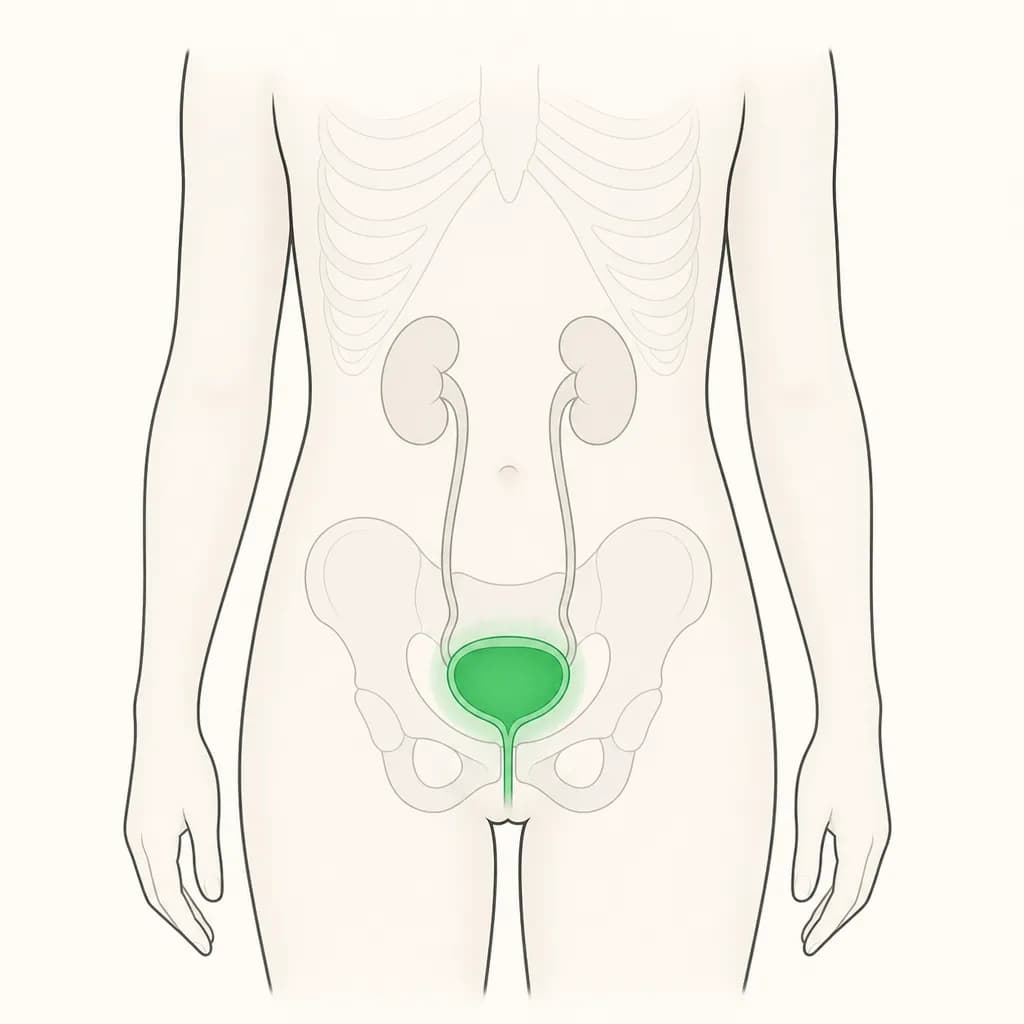
A natural hormone signal normally tells the kidneys to make less urine while a person sleeps. If the night-time signal is still developing, the bladder may fill before morning. A child may also sleep deeply or have a bladder that sends less reliable waking signals. These mechanisms can overlap, so bedwetting is not explained by one hormone alone.
A return of wetting after dryness is different from a long-standing pattern. Constipation, a Urinary Tract Infection, Type 1 Diabetes or disrupted breathing during sleep can contribute and should not be assumed to be hormonal. Snoring or pauses in breathing may point toward Obstructive Sleep Apnoea.
Practical next steps
Use regular daytime toilet visits and normal daytime hydration. Avoid deliberate dehydration or repeated night-time lifting. Toilet before sleep, make the route to the bathroom easy, and use washable mattress protection. Track wet nights alongside thirst, daytime frequency, bowel movements, snoring and medicines.
A clinician can decide whether an alarm, behavioural plan or a prescription medicine that mimics the night-time hormone signal is suitable. Medicines require exact instructions, especially about fluid intake, and should not be shared or adjusted without medical advice. See Bedwetting for general background.
When to seek medical advice
Book a review when wetting is troubling, newly recurrent, accompanied by daytime leakage, or not improving with consistent routines. Seek prompt care for burning urine, fever, blood in urine, severe abdominal or back pain, unusual thirst, vomiting, weight loss or marked weakness. Arrange assessment for loud snoring, breathing pauses or poor daytime alertness.
Questions for your doctor
Ask whether a urine test or constipation assessment is needed, whether an alarm or hormone-like medicine is appropriate, how fluid timing affects safety, and what to do after a wet night. Ask when treatment should be paused, reviewed or changed.
Find care
General Clinics & Polyclinics in Abu Dhabi
That answer is general. If you want it applied to your own case, these are licensed general clinics & polyclinics listed in Abu Dhabi.
27 Ar Ruwwad St - Shakhbout City - MSH4 - Abu Dhabi - United Arab Emirates
Accepts: Daman, Thiqa, Cigna, MetLife +20 more
Al Ruwais, Al Dhafrah
Accepts: Daman, Thiqa, AXA, Cigna +16 more
Al Bahyah - Al Bahyah Old - Abu Dhabi - United Arab Emirates
Accepts: Daman, Thiqa, Cigna, Allianz Care +18 more
Abu Dhabi
Accepts: Daman, Thiqa, AXA, Cigna +27 more
Ordered by verification status and how complete each clinic's public record is, then alphabetically. This is a directory listing, not a ranking — Zavis does not rate or recommend providers.
A factual listing drawn from the DHA, DOH and MOHAP licence registers. It is not a referral, an endorsement, or advice that any of these providers is right for you.
Questions people ask
Is bedwetting caused only by a hormone problem?
No. Sleep arousal, bladder development, constipation, infection and other health factors can also contribute.
Can hormone-like medicine help?
It may help selected children, but a clinician must provide instructions about suitability and fluid intake.
Related
Related reading
Keep reading
Medical disclaimer. This page is general health information, not medical advice, and it cannot diagnose you. Always consult a licensed healthcare provider about your own symptoms and treatment. In an emergency in the UAE, call 998 for an ambulance.