
What should you know about bedwetting and diabetes?
Short answer
Bedwetting can occur with diabetes when high blood glucose causes extra urine, especially alongside thirst and frequent daytime urination.
This answers one question. It is not a diagnosis and does not replace an assessment by a licensed doctor.
At a glance
- Diabetes clue
- Thirst plus frequent urination is more concerning than bedwetting alone.
- Useful record
- Note onset, daytime urine, energy, appetite, weight and bowel symptoms.
- Urgency
- Vomiting, altered alertness or unusual breathing needs emergency help.
How diabetes can affect urination
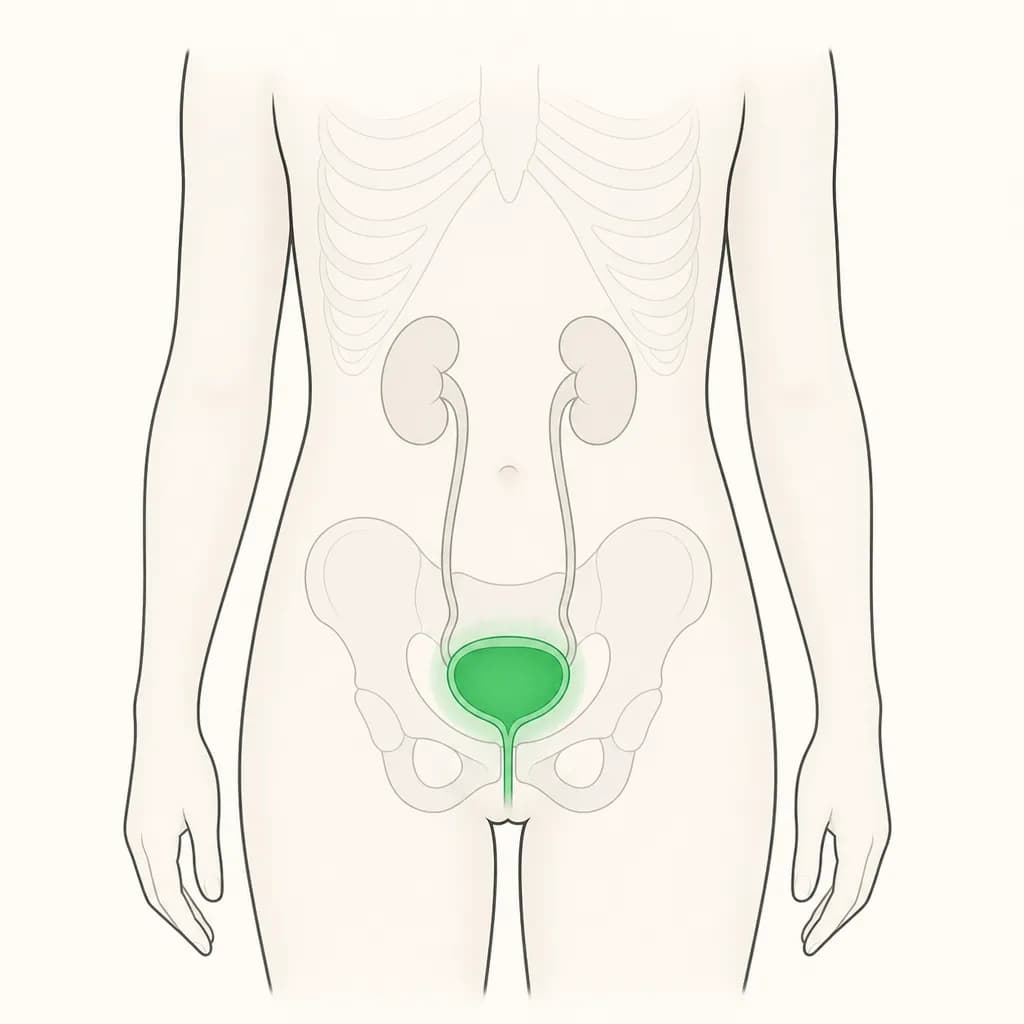
When blood glucose is high, the kidneys may pass more glucose into urine. Water follows it, so the person may produce more urine and feel unusually thirsty. A child who starts wetting after being dry may also have daytime frequency, tiredness, weight loss, blurred vision or increased hunger, although these signs can have other causes.
Bedwetting by itself does not show that someone has diabetes. A urinary tract infection, constipation, sleep disruption or another issue may produce overlapping symptoms. A clinician needs to consider the whole pattern and may check urine or blood glucose.
What to do next
Write down when wetting began, whether the child was previously dry, daytime toilet frequency, thirst, appetite, energy, weight changes, bowel symptoms and medicines. Offer water when thirsty and avoid restricting fluids as a way to stop wet nights. Arrange prompt medical advice when bedwetting is paired with marked thirst or frequent urination.
Do not start diabetes treatment or alter prescribed medicine without clinical guidance. If diabetes is diagnosed, the care team can explain glucose checks, fluids, urine changes and how to manage nighttime symptoms safely.
When to seek care
Seek same-day medical advice for new bedwetting with strong thirst, frequent urination, unusual tiredness, weight loss, vomiting or abdominal pain. Seek emergency help for deep or rapid breathing, confusion, severe drowsiness, collapse or inability to keep fluids down. These symptoms can signal a serious metabolic problem and should not wait for a routine appointment.
Questions for your doctor
Ask whether the symptoms warrant urine and blood glucose checks, what other explanations should be considered, and how quickly results are needed. Ask which warning signs require emergency care, how to support fluids safely, and whether a urinary tract infection, sleep problem or bowel issue also needs assessment.
Find care
General Clinics & Polyclinics in Abu Dhabi
That answer is general. If you want it applied to your own case, these are licensed general clinics & polyclinics listed in Abu Dhabi.
27 Ar Ruwwad St - Shakhbout City - MSH4 - Abu Dhabi - United Arab Emirates
Accepts: Daman, Thiqa, Cigna, MetLife +20 more
Al Ruwais, Al Dhafrah
Accepts: Daman, Thiqa, AXA, Cigna +16 more
Al Bahyah - Al Bahyah Old - Abu Dhabi - United Arab Emirates
Accepts: Daman, Thiqa, Cigna, Allianz Care +18 more
Abu Dhabi
Accepts: Daman, Thiqa, AXA, Cigna +27 more
Ordered by verification status and how complete each clinic's public record is, then alphabetically. This is a directory listing, not a ranking — Zavis does not rate or recommend providers.
A factual listing drawn from the DHA, DOH and MOHAP licence registers. It is not a referral, an endorsement, or advice that any of these providers is right for you.
Questions people ask
Does bedwetting mean a child has diabetes?
No. Bedwetting has many possible explanations, but new wetting with thirst and frequent urination needs prompt assessment.
Can I limit drinks to stop bedwetting?
Do not restrict fluids to control wet nights; offer water for thirst and seek medical advice when diabetes symptoms are possible.
Related
Related reading
Keep reading
Medical disclaimer. This page is general health information, not medical advice, and it cannot diagnose you. Always consult a licensed healthcare provider about your own symptoms and treatment. In an emergency in the UAE, call 998 for an ambulance.