
At-home pet allergy tests: what to know
Short answer
An at-home pet allergy test may suggest sensitisation, but symptoms and clinician-guided testing are needed to interpret the result.
This answers one question. It is not a diagnosis and does not replace an assessment by a licensed doctor.
At a glance
- What it detects
- Sensitisation to the specific animal allergens included in the kit
- What it cannot do alone
- Confirm that a pet is the cause of symptoms
- Useful companion
- A diary of symptoms, locations, and animal contact
What the result means
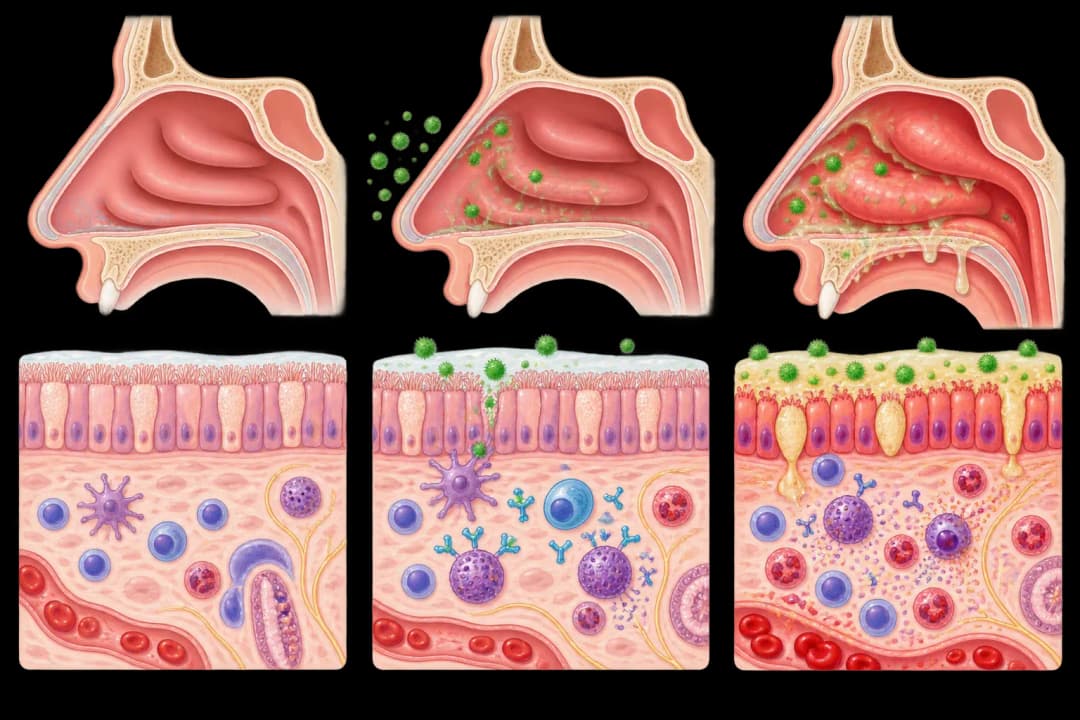
Many home kits use a small blood sample to look for antibodies linked with sensitivity to animal proteins. A positive result shows that the immune system recognises the tested allergen; it does not by itself prove that a pet is causing current symptoms. A negative result also cannot exclude every relevant allergen or another cause of nasal, eye, skin, or breathing symptoms.
Pet allergy commonly presents with sneezing, a runny or blocked nose, itchy or watery eyes, and symptoms that worsen around the animal or in rooms where allergens collect. Proteins from skin flakes, saliva, and urine can remain on clothing and furnishings, so timing may not always be obvious.
How to use a home test sensibly
Check exactly which animals and allergens the kit covers, follow its sampling and storage directions, and confirm that the control indicator is valid. Record symptoms, where they occur, contact with pets, and whether they improve away from the environment. Take the kit report and this diary to a clinician rather than making major decisions about a pet from the result alone.
A clinician can compare the pattern with examination findings and decide whether supervised skin or blood testing would clarify the trigger. Until then, reducing bedroom access, washing hands after contact, cleaning soft furnishings, and avoiding touching the face after handling the animal may reduce exposure. Discuss suitable medicines if symptoms interfere with sleep, work, or breathing.
When to seek medical care
Arrange a clinical assessment when symptoms keep returning, affect sleep, include wheezing, or remain unexplained despite reducing exposure. Seek emergency help for severe difficulty breathing, rapidly worsening wheeze, swelling of the tongue or throat, faintness, confusion, or blue or grey lips. Do not wait for a home-test result when these signs occur.
Questions for your doctor
Ask whether the reported allergen matches your symptom pattern, whether another allergy or asthma could explain the episodes, and whether confirmatory testing is useful. You can also ask which exposure changes are realistic, what medicine is suitable for your symptoms, and what breathing changes should trigger urgent care.
Find care
General Clinics & Polyclinics in Abu Dhabi
That answer is general. If you want it applied to your own case, these are licensed general clinics & polyclinics listed in Abu Dhabi.
27 Ar Ruwwad St - Shakhbout City - MSH4 - Abu Dhabi - United Arab Emirates
Accepts: Daman, Thiqa, Cigna, MetLife +20 more
Al Ruwais, Al Dhafrah
Accepts: Daman, Thiqa, AXA, Cigna +16 more
Al Bahyah - Al Bahyah Old - Abu Dhabi - United Arab Emirates
Accepts: Daman, Thiqa, Cigna, Allianz Care +18 more
Abu Dhabi
Accepts: Daman, Thiqa, AXA, Cigna +27 more
Ordered by verification status and how complete each clinic's public record is, then alphabetically. This is a directory listing, not a ranking — Zavis does not rate or recommend providers.
A factual listing drawn from the DHA, DOH and MOHAP licence registers. It is not a referral, an endorsement, or advice that any of these providers is right for you.
Questions people ask
Does a positive home test confirm pet allergy?
No. It may show sensitisation to an included allergen, but the result needs to be matched with symptoms, exposure history, and sometimes clinician-guided testing.
Can I react to a pet even if the home result is negative?
Yes. The kit may not cover the relevant allergen, the sample may be invalid, or another trigger may be responsible. Persistent symptoms deserve clinical assessment.
Should I remove my pet because of a home-test result?
Do not make that decision from the report alone. First confirm whether exposure matches the symptoms and discuss reliable testing and practical exposure reduction with a clinician.
Related
Related reading
Keep reading
Medical disclaimer. This page is general health information, not medical advice, and it cannot diagnose you. Always consult a licensed healthcare provider about your own symptoms and treatment. In an emergency in the UAE, call 998 for an ambulance.