
Anti-sweat Botox explained
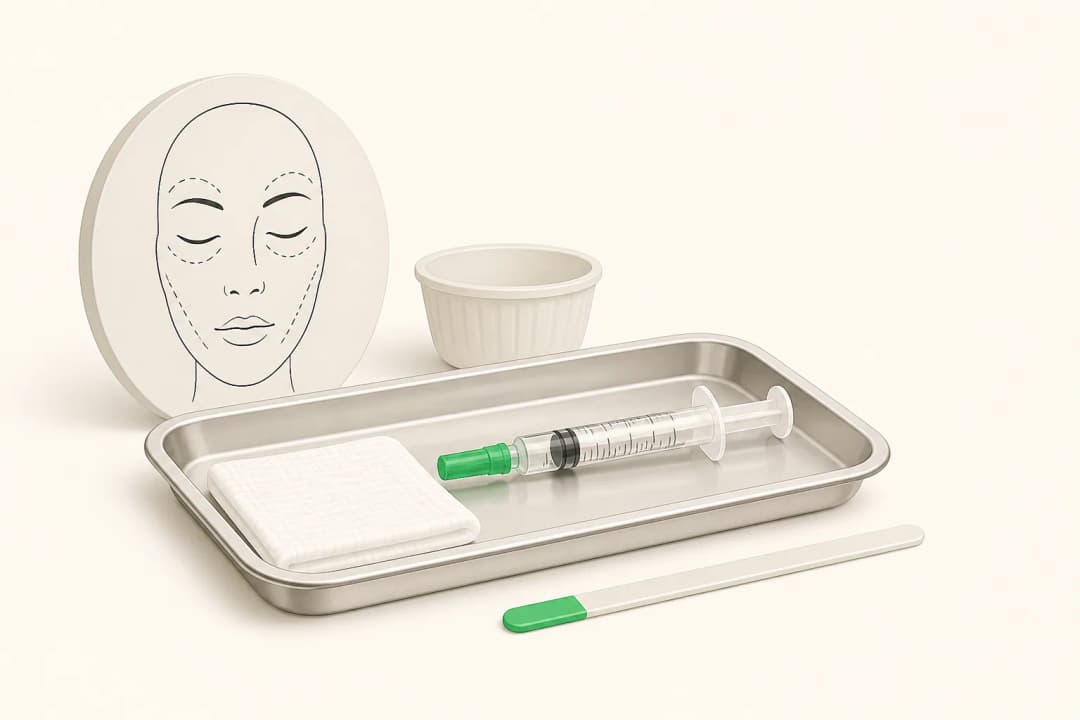
Short answer
Anti-sweat Botox temporarily reduces sweating by blocking nerve signals that activate glands in the treated area.
This answers one question. It is not a diagnosis and does not replace an assessment by a licensed doctor.
At a glance
- Active material
- Botulinum toxin type A
- Main action
- Interrupts local nerve signals to sweat glands
- Effect
- Temporary and limited to the treated zone
The essential point
It is used for troublesome focal sweating, often at the underarms and sometimes at other sites after careful assessment. The effect wears off as nerve signalling recovers, so repeat treatment may be considered when symptoms return.
How the injections control sweat
Botulinum toxin type A is placed in small amounts at multiple points within the skin. It acts locally at nerve endings rather than removing sweat glands. Untreated areas continue normal temperature regulation, while sweating in the injected zone becomes less active.
The same material can be used for facial lines such as crow's feet, but anti-sweat treatment has a different target, injection pattern and clinical assessment. Dermal fillers do not suppress sweat glands and are not a substitute for this purpose.
Before and after treatment
Describe where sweating occurs, what triggers it, medicines you take and whether symptoms disrupt clothing, work or sleep. A clinician may first check for an illness or medicine that could explain new or widespread sweating. Mention pregnancy, breastfeeding, swallowing problems, muscle or nerve disorders, and any previous reaction to botulinum toxin.
Follow the clinic's instructions on shaving, antiperspirant use and physical activity around the appointment. Temporary injection-site tenderness, small bumps or bruising can occur. Do not rub the area aggressively, and wait for the advised review before deciding whether the response is adequate.
Symptoms needing prompt advice
Get urgent medical help after an injection if you develop trouble breathing or swallowing, marked weakness, facial swelling or a widespread allergic reaction. Contact the treating clinician for increasing redness, heat, discharge, severe pain or weakness near the treated area.
Sweating that begins suddenly, affects the whole body, regularly soaks bedding, or occurs with fever, chest discomfort, faintness or unexplained weight change deserves a medical assessment rather than cosmetic treatment alone.
Useful consultation questions
Ask how the clinician confirmed focal excessive sweating, which area will be mapped, what sensation to expect, and what may limit the result. Clarify when normal activity can resume, how a follow-up response is assessed and which side effects should trigger a call.
Find care
General Clinics & Polyclinics in Abu Dhabi
That answer is general. If you want it applied to your own case, these are licensed general clinics & polyclinics listed in Abu Dhabi.
27 Ar Ruwwad St - Shakhbout City - MSH4 - Abu Dhabi - United Arab Emirates
Accepts: Daman, Thiqa, Cigna, MetLife +20 more
Al Ruwais, Al Dhafrah
Accepts: Daman, Thiqa, AXA, Cigna +16 more
Al Bahyah - Al Bahyah Old - Abu Dhabi - United Arab Emirates
Accepts: Daman, Thiqa, Cigna, Allianz Care +18 more
Abu Dhabi
Accepts: Daman, Thiqa, AXA, Cigna +27 more
Ordered by verification status and how complete each clinic's public record is, then alphabetically. This is a directory listing, not a ranking — Zavis does not rate or recommend providers.
A factual listing drawn from the DHA, DOH and MOHAP licence registers. It is not a referral, an endorsement, or advice that any of these providers is right for you.
Questions people ask
Does anti-sweat Botox stop all body sweating?
No. It reduces gland activity in the injected area; the rest of the body continues to sweat.
Is anti-sweat Botox the same as wrinkle treatment?
The material may be the same, but the treatment goal, placement and injection pattern differ.
Why might sweating need investigation first?
New or generalised sweating can accompany medicines or medical conditions, so treating the cause may be more appropriate than injecting one area.
Related
Related reading
Keep reading
Medical disclaimer. This page is general health information, not medical advice, and it cannot diagnose you. Always consult a licensed healthcare provider about your own symptoms and treatment. In an emergency in the UAE, call 998 for an ambulance.