
What to know about anti-constipation treatment
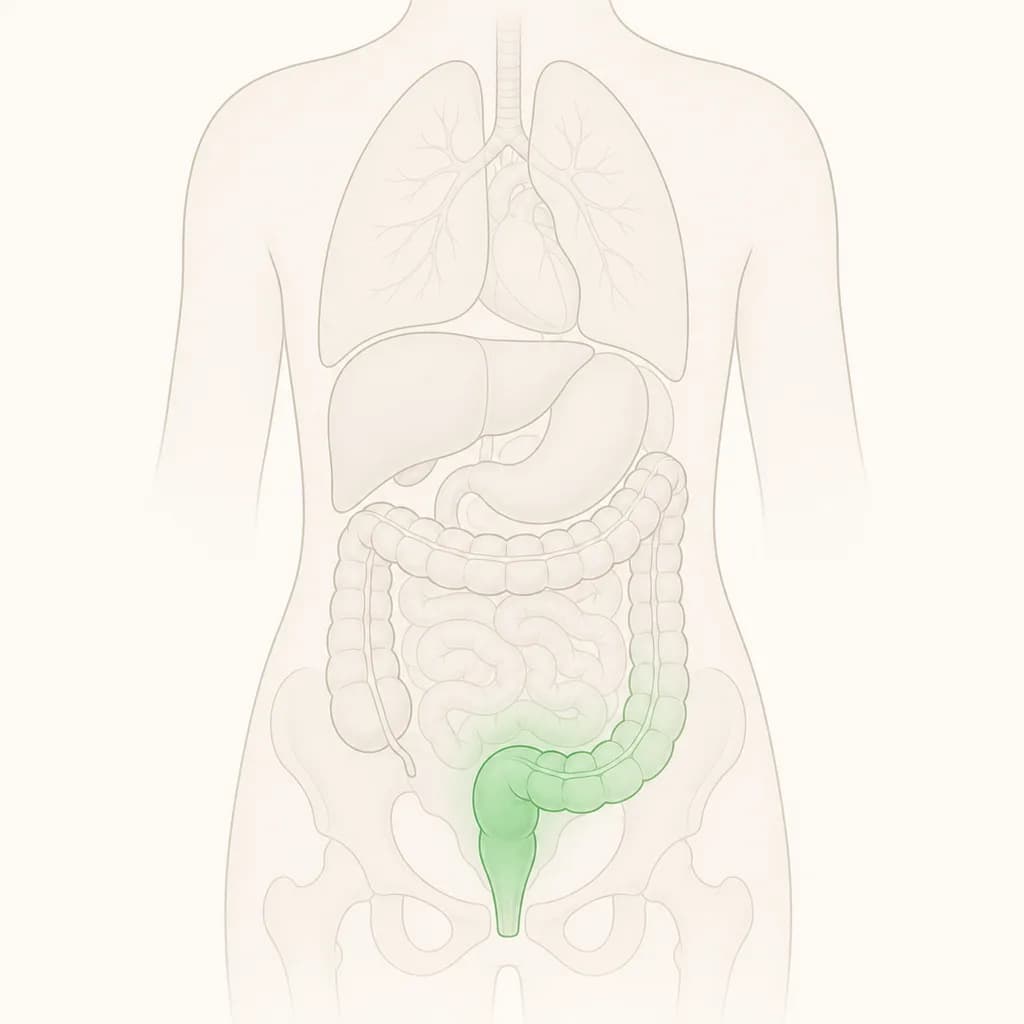
Short answer
Anti-constipation care starts with fluids, fibre, movement and regular toilet habits; a pharmacist can help choose a short-term laxative when these are insufficient.
This answers one question. It is not a diagnosis and does not replace an assessment by a licensed doctor.
At a glance
- First measures
- Gradual fibre, adequate fluid, activity and a regular toilet routine.
- Medicine choice
- Laxatives work in different ways and should match the symptom pattern.
- Avoid
- Do not keep increasing laxatives when severe pain, vomiting or abdominal swelling is present.
Direct answer
The right approach depends on whether stools are hard, difficult to pass or simply less frequent than usual, as well as current medicines and health conditions. Repeated or unexplained constipation deserves assessment rather than ongoing self-treatment.
Why treatment choices differ
Bulk-forming laxatives hold water in stool, osmotic laxatives draw water into the bowel, stimulant laxatives encourage bowel contractions, and stool softeners make dry stool easier to pass. Each group has different cautions and timing. Constipation can follow a change in diet, low fluid intake, reduced activity or medicines such as some painkillers and iron products. It can also accompany irritable bowel syndrome, hypothyroidism or another bowel problem, so the pattern and associated symptoms matter.
A practical self-care plan
Drink regularly unless a clinician has limited your fluids. Increase fibre gradually through vegetables, fruit, pulses and whole grains, because a sudden rise can worsen bloating. Respond to the urge to open your bowels, allow unhurried toilet time after meals and use a footstool to bring the knees above the hips. Regular walking can help bowel movement. Before buying a laxative, tell the pharmacist about abdominal symptoms, pregnancy, kidney or heart problems and all medicines you take.
When constipation needs medical care
Arrange a medical review if constipation is new and persistent, keeps returning, follows a new medicine, or comes with unexplained weight loss, unusual tiredness or a lasting change in bowel habit. Seek urgent care for severe or increasing abdominal pain, a swollen abdomen, repeated vomiting, inability to pass stool or wind, black stool, substantial rectal bleeding, fainting or marked weakness. These features can indicate obstruction, bleeding or another condition that should not be managed with additional laxatives at home.
What to discuss at an appointment
Bring a list of medicines and describe stool consistency, straining, pain, bleeding and what you have tried. Ask whether a medicine could be contributing, which laxative type matches your symptoms, how long to use it, and whether thyroid testing or bowel assessment is warranted.
Find care
General Clinics & Polyclinics in Abu Dhabi
That answer is general. If you want it applied to your own case, these are licensed general clinics & polyclinics listed in Abu Dhabi.
27 Ar Ruwwad St - Shakhbout City - MSH4 - Abu Dhabi - United Arab Emirates
Accepts: Daman, Thiqa, Cigna, MetLife +20 more
Al Ruwais, Al Dhafrah
Accepts: Daman, Thiqa, AXA, Cigna +16 more
Al Bahyah - Al Bahyah Old - Abu Dhabi - United Arab Emirates
Accepts: Daman, Thiqa, Cigna, Allianz Care +18 more
Abu Dhabi
Accepts: Daman, Thiqa, AXA, Cigna +27 more
Ordered by verification status and how complete each clinic's public record is, then alphabetically. This is a directory listing, not a ranking — Zavis does not rate or recommend providers.
A factual listing drawn from the DHA, DOH and MOHAP licence registers. It is not a referral, an endorsement, or advice that any of these providers is right for you.
Questions people ask
Is it safe to take a laxative every day?
Some laxatives are used regularly under clinical guidance, but persistent need should be reviewed. The choice depends on the cause, other illnesses, medicines and side effects.
Can adding fibre make constipation feel worse?
A rapid increase can cause gas, bloating or discomfort, particularly if fluid intake is low or stool is obstructed. Add fibre gradually and seek advice if symptoms intensify.
Could another medicine be causing constipation?
Yes. Some pain medicines, iron products and other treatments can slow the bowel or harden stool. Do not stop a prescribed medicine without discussing alternatives with its prescriber.
Related
Related reading
Keep reading
Medical disclaimer. This page is general health information, not medical advice, and it cannot diagnose you. Always consult a licensed healthcare provider about your own symptoms and treatment. In an emergency in the UAE, call 998 for an ambulance.