
Ano ang type 2 diabetes? A clear guide to ongoing care
Short answer
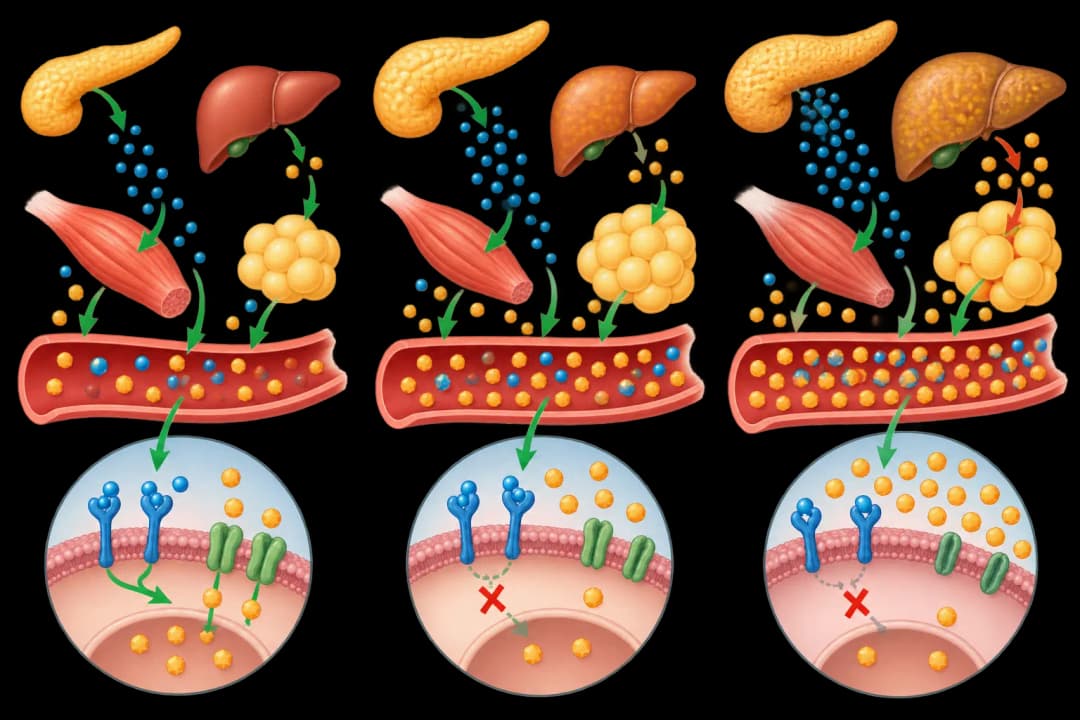
Type 2 diabetes is a long-term condition in which insulin does not keep blood glucose within a healthy range.
This answers one question. It is not a diagnosis and does not replace an assessment by a licensed doctor.
At a glance
- Core problem
- Insulin cannot regulate blood glucose effectively
- Diagnosis
- Blood testing interpreted by a healthcare professional
- Ongoing care
- Lifestyle support, medicines when prescribed and health checks
Direct answer
In Tagalog, “ano ang type 2 diabetes” means “what is type 2 diabetes?” The body may resist insulin and may also stop producing enough of it. Glucose then builds up in the bloodstream instead of moving efficiently into cells for energy.
Possible effects and symptoms
Type 2 diabetes may present with increased thirst, frequent urination, tiredness, blurred vision, slow-healing wounds, repeated infections or unexplained weight loss. It can also develop without noticeable symptoms and be identified through a blood test.
Persistently raised glucose can affect blood vessels and nerves. Over time this can contribute to heart and circulation problems, kidney damage, reduced sensation in the feet and eye disease. Regular monitoring aims to find changes early enough to adjust care.
Managing diabetes day to day
Work with your healthcare team on meals, physical activity, sleep, weight goals where relevant and prescribed medicine. Take medication as directed rather than changing or stopping it when a reading improves. Your clinician will explain which blood tests and home glucose checks apply to your treatment plan.
Check your feet regularly for cuts, blisters, redness, swelling or warmth, especially if sensation is reduced. Keep review appointments for blood pressure, cholesterol, kidney function, feet and eyes. During illness, ask for a sick-day plan because eating, drinking and medicines may need special attention.
When diabetes needs urgent attention
Seek urgent help for severe drowsiness, confusion, difficulty breathing, persistent vomiting, inability to keep fluids down or signs of marked dehydration. If glucose-lowering treatment causes sweating, shaking, hunger, dizziness, irritability or confusion, follow your clinician’s plan for low blood glucose and obtain help if recovery is not prompt.
Arrange timely care for a foot wound, spreading redness, warmth, swelling, discharge, darkened skin or fever. Sudden facial weakness, arm weakness, speech trouble, chest pressure or severe breathlessness requires emergency services.
Planning your diabetes review
Ask what your glucose results mean, how and when to take each medicine, how to recognise low glucose, what to do when sick, and which foot or eye changes to report. Bring your medicine list and any home readings so decisions reflect your usual pattern.
Find care
General Clinics & Polyclinics in Abu Dhabi
That answer is general. If you want it applied to your own case, these are licensed general clinics & polyclinics listed in Abu Dhabi.
27 Ar Ruwwad St - Shakhbout City - MSH4 - Abu Dhabi - United Arab Emirates
Accepts: Daman, Thiqa, Cigna, MetLife +20 more
Al Ruwais, Al Dhafrah
Accepts: Daman, Thiqa, AXA, Cigna +16 more
Al Bahyah - Al Bahyah Old - Abu Dhabi - United Arab Emirates
Accepts: Daman, Thiqa, Cigna, Allianz Care +18 more
Abu Dhabi
Accepts: Daman, Thiqa, AXA, Cigna +27 more
Ordered by verification status and how complete each clinic's public record is, then alphabetically. This is a directory listing, not a ranking — Zavis does not rate or recommend providers.
A factual listing drawn from the DHA, DOH and MOHAP licence registers. It is not a referral, an endorsement, or advice that any of these providers is right for you.
Questions people ask
Can type 2 diabetes exist without obvious symptoms?
Yes. Some people feel well when it is detected, so blood testing is needed to diagnose it rather than symptoms alone.
Why are foot checks part of diabetes care?
Diabetes can reduce sensation and circulation, allowing a small injury to go unnoticed or heal poorly. Early attention can limit further tissue damage.
Should medicine stop when glucose readings improve?
Do not stop or alter prescribed medicine without clinical advice. Better readings may show that the current plan is working rather than that treatment is no longer needed.
Related
Related reading
Keep reading
Medical disclaimer. This page is general health information, not medical advice, and it cannot diagnose you. Always consult a licensed healthcare provider about your own symptoms and treatment. In an emergency in the UAE, call 998 for an ambulance.