
Treating cracked skin around the ankle
Short answer
Treat ankle skin cracks by gently cleansing, restoring moisture, limiting friction and watching closely for infection.
This answers one question. It is not a diagnosis and does not replace an assessment by a licensed doctor.
At a glance
- Main aim
- Restore flexibility while shielding the split from friction
- Gentle care
- Lukewarm washing and fragrance-free emollient
- Prompt review
- Spreading redness, discharge, warmth or worsening pain
The short answer
Shallow fissures often benefit from a bland fragrance-free emollient applied after washing. Deeper, bleeding or repeatedly reopening splits need professional assessment, especially when poor circulation, reduced sensation or diabetes could slow healing.
Why skin around the ankle may split
A crack forms when the outer skin becomes dry, inflamed or thickened and loses flexibility. Ankle movement then pulls on the fragile surface. Footwear friction, frequent hot washing, harsh cleansers and scratching can keep the fissure open.
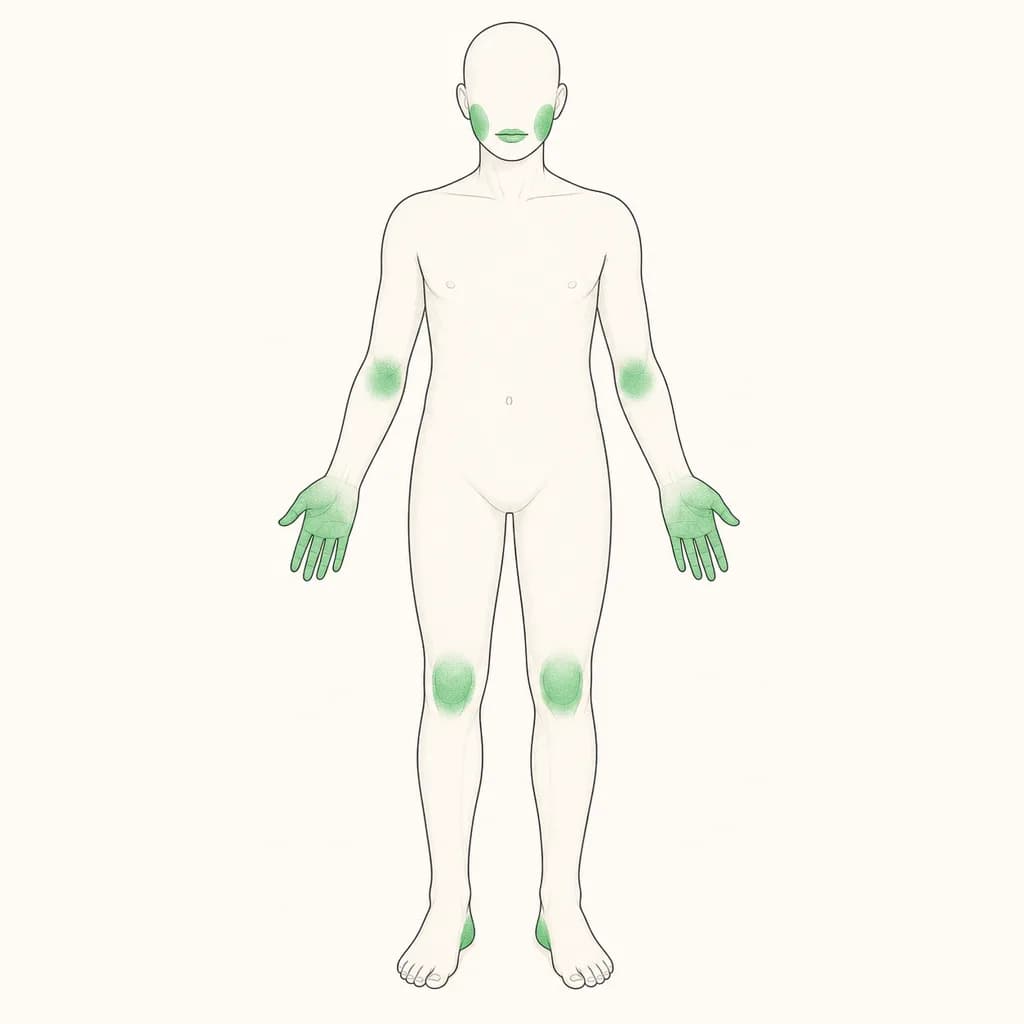
Atopic dermatitis can present with dry, itchy, inflamed skin that cracks after repeated rubbing. Psoriasis can present with well-defined, scaly plaques that split as the ankle bends. A clinician can distinguish these patterns from fungal irritation, contact dermatitis and other causes.
Practical care for a skin fissure
Wash with lukewarm water and a mild fragrance-free cleanser, then pat dry. Apply a bland emollient while the skin is still slightly damp, avoiding products that sting. Protect the site from rubbing with soft socks and footwear that does not press on the split.
Do not cut away thick skin or use strong exfoliating acids on an open crack. Avoid picking, and change any dressing if it becomes wet or dirty. If inflammation, psoriasis or eczema is driving the problem, treatment of that condition may be needed in addition to moisturising.
When a cracked ankle needs assessment
Contact a clinician if the fissure is deep, keeps bleeding, will not close, or makes standing painful. Increasing redness, warmth, swelling, tenderness, discharge, unpleasant odour, fever or red streaks warrant prompt attention because damaged skin can allow infection to develop.
Seek early advice for any foot or ankle wound if you have diabetes, impaired circulation, leg swelling, reduced feeling, or medicines that suppress immune function. These factors can make a small injury harder to notice or heal.
What to discuss at an appointment
Describe when the crack began, whether it itches, and which shoes or skin products contact the ankle. Ask if the surrounding scale suggests eczema, psoriasis, fungal disease or simple dryness, and whether a dressing or prescription treatment is appropriate.
If cracks recur, ask how often to moisturise, which cleanser to use, and whether swelling or gait is increasing pressure at that exact site.
Find care
General Clinics & Polyclinics in Abu Dhabi
That answer is general. If you want it applied to your own case, these are licensed general clinics & polyclinics listed in Abu Dhabi.
27 Ar Ruwwad St - Shakhbout City - MSH4 - Abu Dhabi - United Arab Emirates
Accepts: Daman, Thiqa, Cigna, MetLife +20 more
Al Ruwais, Al Dhafrah
Accepts: Daman, Thiqa, AXA, Cigna +16 more
Al Bahyah - Al Bahyah Old - Abu Dhabi - United Arab Emirates
Accepts: Daman, Thiqa, Cigna, Allianz Care +18 more
Abu Dhabi
Accepts: Daman, Thiqa, AXA, Cigna +27 more
Ordered by verification status and how complete each clinic's public record is, then alphabetically. This is a directory listing, not a ranking — Zavis does not rate or recommend providers.
A factual listing drawn from the DHA, DOH and MOHAP licence registers. It is not a referral, an endorsement, or advice that any of these providers is right for you.
Questions people ask
What should you know about ankle skin crack treatment?
Treatment centres on gentle cleansing, regular emollient use and reducing rubbing. A deep, infected or slow-healing crack should be examined rather than repeatedly covered at home.
Can I exfoliate thick skin beside an ankle crack?
Avoid blades and strong exfoliants while the skin is split because they can deepen the injury. A clinician can advise safer thick-skin care after examining the area.
Why does the same ankle fissure keep returning?
Repeated shoe pressure, dry skin, scratching, eczema, psoriasis or swelling may keep stressing the site. Finding and managing the driver is often necessary to prevent reopening.
Related
Related reading
Keep reading
Medical disclaimer. This page is general health information, not medical advice, and it cannot diagnose you. Always consult a licensed healthcare provider about your own symptoms and treatment. In an emergency in the UAE, call 998 for an ambulance.