
Angioneurotic oedema meaning explained
Short answer
Angioneurotic oedema is an older term for angioedema, meaning sudden swelling in the deeper layers beneath skin or mucous membranes.
This answers one question. It is not a diagnosis and does not replace an assessment by a licensed doctor.
At a glance
- Current term
- Angioedema
- Tissue involved
- Deeper skin or mucous membranes
- May occur with
- Hives, or without a rash
Meaning in plain language
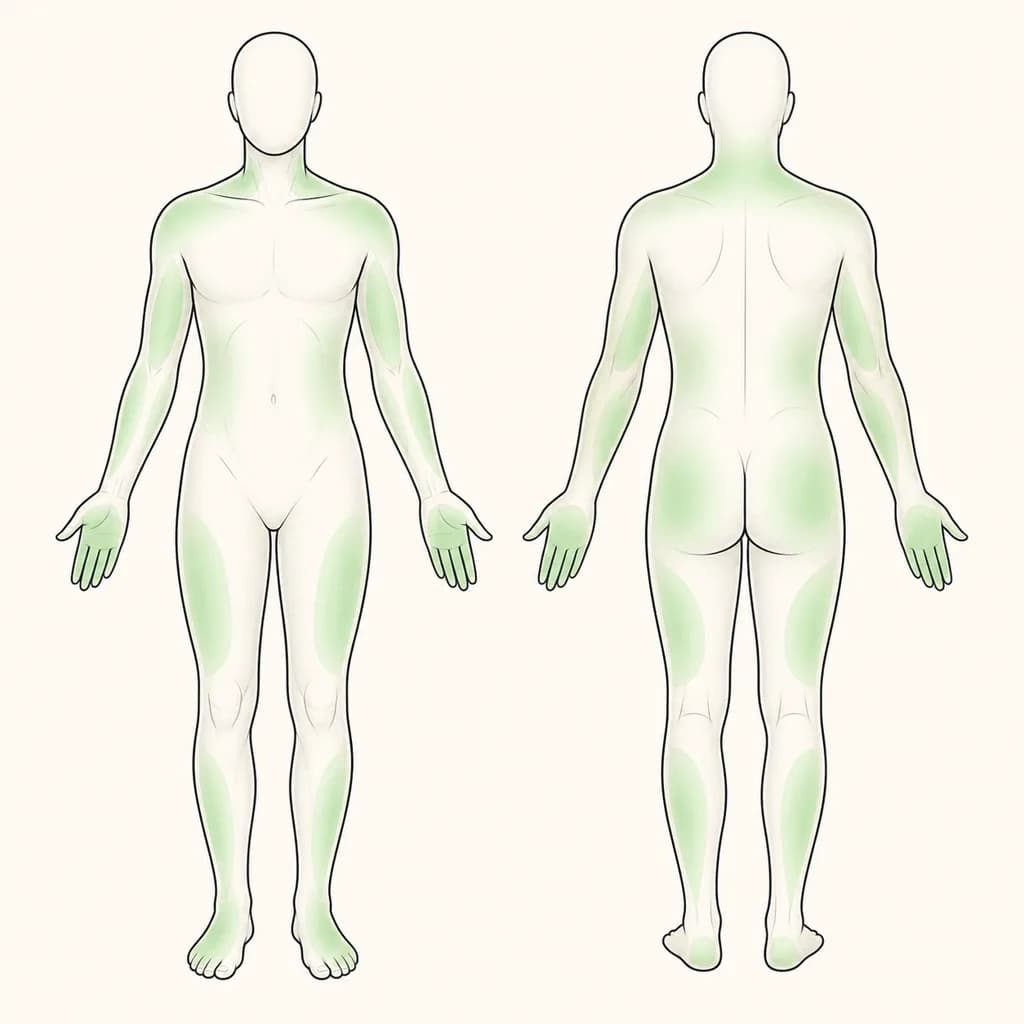
It commonly affects the eyelids, lips, face, hands or feet, but it can also involve the tongue, throat or bowel. Airway symptoms need emergency attention.
How deeper swelling differs from a surface rash
Angioedema causes puffiness or a tight, enlarged feeling because fluid collects in deeper tissue. The skin may look normal, pink or mildly red. Hives affect more superficial skin and form raised, often itchy welts; angioedema may occur with hives or on its own.
The word does not identify one single cause. Allergic reactions, certain medicines, inherited conditions and spontaneous episodes can all produce this pattern. A clinician uses the episode history and accompanying features to work out which mechanism is more likely.
How to respond to a new episode
First check for tongue or throat swelling, voice change, breathing difficulty, trouble swallowing, dizziness or rapidly worsening symptoms. If none is present and the swelling is stable, document its location, onset and possible triggers, then seek medical advice based on its severity and whether it has happened before.
Follow a previously issued action plan if you have one. Avoid experimenting with leftover medication or assuming that treatment used for another person's allergy will fit your episode. Recurrent swelling deserves assessment even when each attack settles.
When swelling becomes an emergency
Contact emergency services immediately if breathing is hard or noisy, the tongue or throat is enlarging, swallowing saliva becomes difficult, the voice changes, or the person feels faint or collapses. Severe abdominal pain with vomiting and recurrent swelling also warrants prompt evaluation. Do not wait for hives to appear before acting on airway symptoms.
Useful questions at an appointment
You might ask whether the episode truly fits angioedema, which mechanism is suspected, whether a medicine review or specialist referral is appropriate, and what warning signs belong in your personal emergency plan. Bring photographs and a list of everything taken around the time of swelling.
Find care
General Clinics & Polyclinics in Abu Dhabi
That answer is general. If you want it applied to your own case, these are licensed general clinics & polyclinics listed in Abu Dhabi.
27 Ar Ruwwad St - Shakhbout City - MSH4 - Abu Dhabi - United Arab Emirates
Accepts: Daman, Thiqa, Cigna, MetLife +20 more
Al Ruwais, Al Dhafrah
Accepts: Daman, Thiqa, AXA, Cigna +16 more
Al Bahyah - Al Bahyah Old - Abu Dhabi - United Arab Emirates
Accepts: Daman, Thiqa, Cigna, Allianz Care +18 more
Abu Dhabi
Accepts: Daman, Thiqa, AXA, Cigna +27 more
Ordered by verification status and how complete each clinic's public record is, then alphabetically. This is a directory listing, not a ranking — Zavis does not rate or recommend providers.
A factual listing drawn from the DHA, DOH and MOHAP licence registers. It is not a referral, an endorsement, or advice that any of these providers is right for you.
Questions people ask
Is angioneurotic oedema the same as fluid retention in the legs?
Not necessarily. General fluid retention has other possible causes and patterns, while angioedema usually appears as a more localised episode of deeper swelling.
Can angioedema affect the abdomen?
Yes. Swelling in the bowel wall can cause marked abdominal pain, nausea or vomiting and may occur without obvious skin swelling.
Is angioneurotic oedema contagious?
No. Angioedema itself does not spread from person to person, although an infection can sometimes be associated with swelling.
Related
Related reading
Keep reading
Medical disclaimer. This page is general health information, not medical advice, and it cannot diagnose you. Always consult a licensed healthcare provider about your own symptoms and treatment. In an emergency in the UAE, call 998 for an ambulance.