
What should you know about amoebiasis cure?
Short answer
Amoebiasis can be treated with prescribed anti-amoebic medicines, often using separate medicines for tissue and bowel infection.
This answers one question. It is not a diagnosis and does not replace an assessment by a licensed doctor.
At a glance
- Core treatment
- Prescription medicine directed against Entamoeba histolytica
- Why regimens differ
- Parasites in tissue and inside the bowel may need different medicines
- Recovery support
- Fluid replacement and measures that prevent further spread
What successful treatment involves
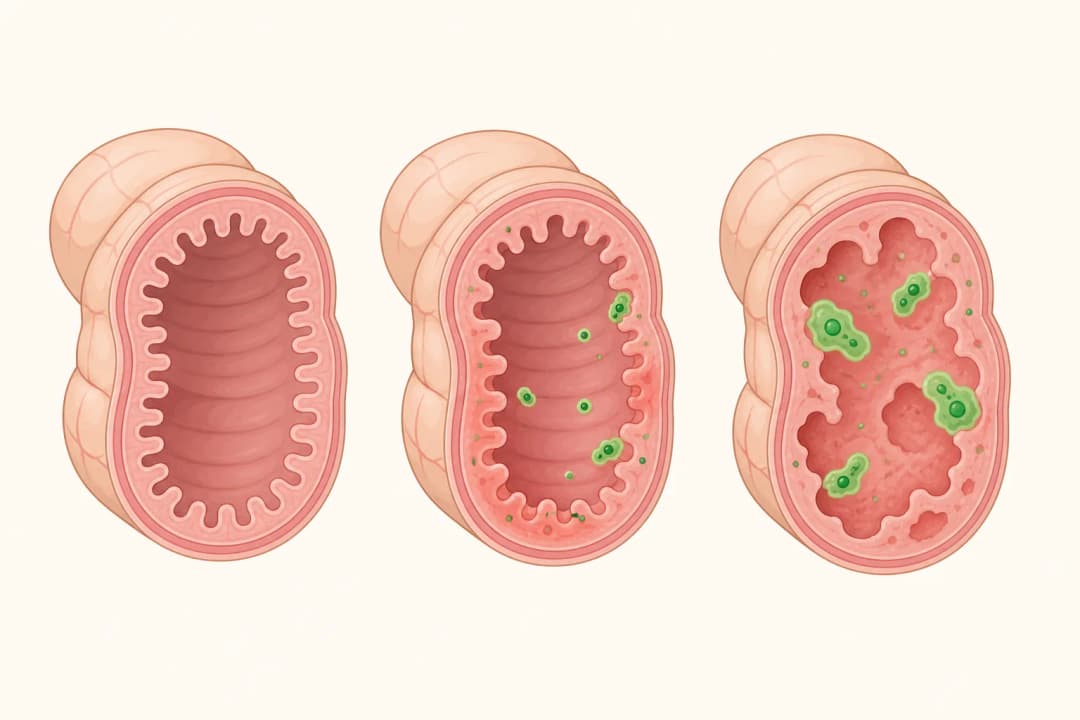
Treatment is designed to remove Entamoeba histolytica from every site where it may remain. When the parasite has invaded the bowel wall or reached the liver, a tissue-active medicine is generally used first. A bowel-acting medicine may then be prescribed to clear parasites inside the intestine. Treating only the invasive stage can leave organisms behind, allowing continued carriage or another episode of illness.
The exact regimen depends on whether symptoms are present, how severe they are, whether disease has spread beyond the bowel, and individual factors such as pregnancy, other conditions, and current medicines. Symptom improvement is encouraging, but it does not by itself confirm that the organism has been cleared.
Using treatment safely
Take each dose exactly as directed and complete every part of the regimen. If a dose is missed, follow the medicine instructions or contact a pharmacist rather than doubling it automatically. Tell the prescriber about allergies, pregnancy or breastfeeding, liver problems, and all other medicines or supplements. Report troublesome reactions instead of stopping treatment without guidance.
During recovery, drink enough to replace fluid lost through loose stools; oral rehydration solution may help when losses are ongoing. Careful handwashing, safe water, and hygienic food preparation reduce transmission and reinfection. A clinician may recommend follow-up testing when symptoms continue, return, or when confirming clearance is particularly important.
When recovery needs review
Arrange reassessment if diarrhoea, cramps, blood in stool, or fatigue does not improve as expected or returns after treatment. Seek urgent care for severe abdominal pain, a swollen or rigid abdomen, fainting, confusion, minimal urination, repeated vomiting, or inability to retain fluids. Fever accompanied by pain in the upper right abdomen can occur with liver involvement and needs prompt medical evaluation.
Questions for your doctor
Ask whether your infection is confined to the bowel, what purpose each prescribed medicine serves, and what side effects require a call. Clarify whether household members with symptoms need testing, whether a repeat stool sample is planned, how to handle a missed dose, and which hygiene precautions should continue after you feel well.
Find care
General Clinics & Polyclinics in Abu Dhabi
That answer is general. If you want it applied to your own case, these are licensed general clinics & polyclinics listed in Abu Dhabi.
27 Ar Ruwwad St - Shakhbout City - MSH4 - Abu Dhabi - United Arab Emirates
Accepts: Daman, Thiqa, Cigna, MetLife +20 more
Al Ruwais, Al Dhafrah
Accepts: Daman, Thiqa, AXA, Cigna +16 more
Al Bahyah - Al Bahyah Old - Abu Dhabi - United Arab Emirates
Accepts: Daman, Thiqa, Cigna, Allianz Care +18 more
Abu Dhabi
Accepts: Daman, Thiqa, AXA, Cigna +27 more
Ordered by verification status and how complete each clinic's public record is, then alphabetically. This is a directory listing, not a ranking — Zavis does not rate or recommend providers.
A factual listing drawn from the DHA, DOH and MOHAP licence registers. It is not a referral, an endorsement, or advice that any of these providers is right for you.
Questions people ask
Can I stop medicine once the diarrhoea settles?
Do not stop early unless the prescriber advises it. Feeling better can occur before parasites remaining in the bowel have been cleared.
Can amoebiasis return after treatment?
Symptoms can recur if infection was not fully cleared, the regimen was incomplete, or a new exposure occurred, so renewed symptoms deserve reassessment.
Is follow-up testing always required?
Follow-up depends on the type of infection, response to treatment, ongoing symptoms, and personal circumstances; your clinician can explain whether another stool sample is useful.
Related
Related reading
Keep reading
Medical disclaimer. This page is general health information, not medical advice, and it cannot diagnose you. Always consult a licensed healthcare provider about your own symptoms and treatment. In an emergency in the UAE, call 998 for an ambulance.