
Altitude sickness levels: symptoms and action
Short answer
Altitude sickness ranges from mild acute mountain sickness to dangerous brain or lung swelling that requires urgent descent and medical care.
This answers one question. It is not a diagnosis and does not replace an assessment by a licensed doctor.
At a glance
- Early response
- Stop ascending when symptoms appear
- Key treatment
- Descent to a lower altitude
- Emergency signs
- Confusion, poor coordination, or breathlessness at rest
The short answer
Mild illness often brings headache with nausea, dizziness, unusual tiredness, poor appetite, or disturbed sleep after gaining height. Worsening symptoms, trouble walking straight, confusion, breathlessness at rest, or a wet cough indicate a more serious problem. Do not continue upward while symptoms are present.
How the levels differ
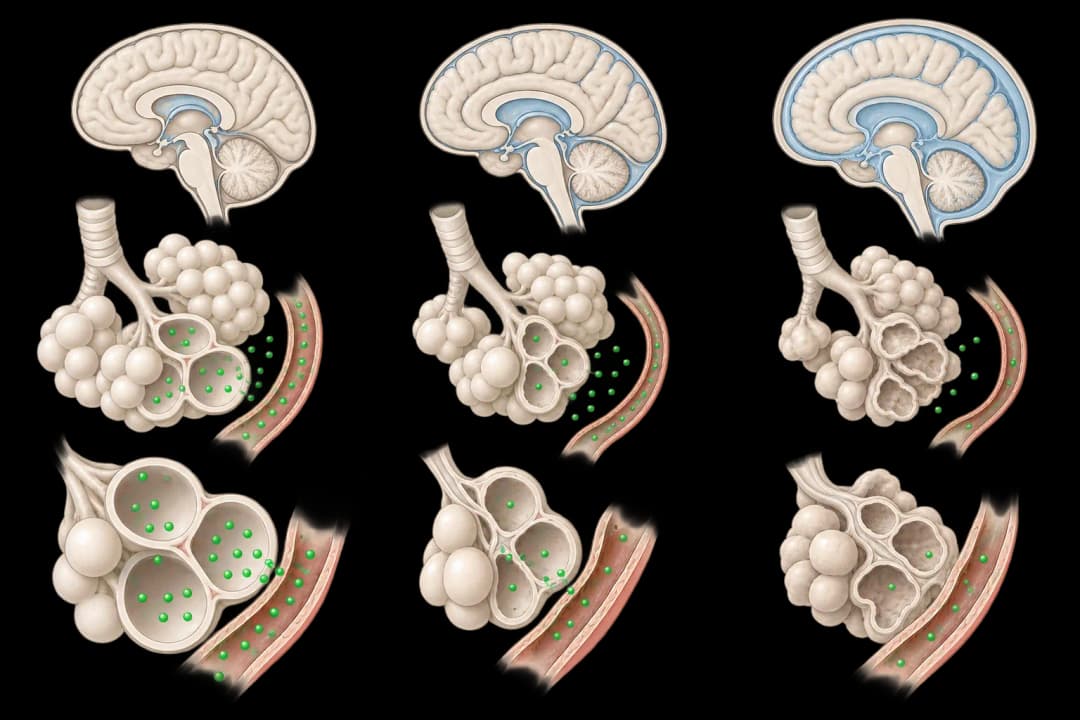
Acute mountain sickness is the milder syndrome. It reflects difficulty adjusting to lower oxygen pressure and is judged by symptoms rather than a single device reading. High-altitude cerebral oedema affects the brain, causing loss of coordination, marked drowsiness, confusion, or altered behaviour. High-altitude pulmonary oedema affects the lungs, producing breathlessness out of proportion to effort, reduced exercise ability, chest tightness, cough, or noisy breathing.
A mild headache can have other causes, including dehydration or caffeine withdrawal. At altitude, however, a new headache combined with other typical symptoms deserves a cautious response.
What to do at each stage
For mild symptoms, stop gaining sleeping altitude, rest, keep warm, drink normally, and avoid heavy exertion or alcohol. A simple pain reliever may ease headache if it is normally safe for you, but feeling better after medicine is not permission to climb higher.
If symptoms fail to settle or become stronger at the same height, descend with another person. Serious brain or lung signs call for immediate descent, supplemental oxygen when available, minimal exertion, and emergency assistance. Oxygen and medicines can support evacuation, but they do not make a continued ascent safe.
When to seek urgent care
Arrange emergency help for confusion, inability to walk heel-to-toe, collapse, severe drowsiness, breathlessness while resting, blue or grey lips, coughing frothy fluid, or rapidly worsening weakness. Begin descent if it can be done safely; do not leave the person alone or make them walk if exertion worsens breathing.
Seek medical assessment for persistent symptoms after descent, or whenever another illness could explain the symptoms. Fever, one-sided weakness, chest pain, fainting, or a severe sudden headache need evaluation rather than being assumed to be altitude sickness.
Questions before high-altitude travel
Discuss whether your route allows gradual acclimatisation, how a previous altitude reaction changes your plan, and which rescue options exist along the route. Ask whether heart or lung disease, pregnancy, sleep apnoea, regular medicines, or a history of severe altitude illness calls for a tailored itinerary or preventive prescription.
Find care
General Clinics & Polyclinics in Abu Dhabi
That answer is general. If you want it applied to your own case, these are licensed general clinics & polyclinics listed in Abu Dhabi.
27 Ar Ruwwad St - Shakhbout City - MSH4 - Abu Dhabi - United Arab Emirates
Accepts: Daman, Thiqa, Cigna, MetLife +20 more
Al Ruwais, Al Dhafrah
Accepts: Daman, Thiqa, AXA, Cigna +16 more
Al Bahyah - Al Bahyah Old - Abu Dhabi - United Arab Emirates
Accepts: Daman, Thiqa, Cigna, Allianz Care +18 more
Abu Dhabi
Accepts: Daman, Thiqa, AXA, Cigna +27 more
Ordered by verification status and how complete each clinic's public record is, then alphabetically. This is a directory listing, not a ranking — Zavis does not rate or recommend providers.
A factual listing drawn from the DHA, DOH and MOHAP licence registers. It is not a referral, an endorsement, or advice that any of these providers is right for you.
Questions people ask
Can mild altitude sickness become severe?
Yes. Symptoms can progress if a person climbs higher or remains unwell at the same elevation. Stop ascent, monitor closely, and descend if symptoms worsen.
Can a pulse oximeter tell me the level of altitude sickness?
Not by itself. Readings change with elevation, cold fingers, movement, and device quality. Symptoms, changes in function, and clinical assessment matter more than one number.
Should someone with symptoms sleep higher?
No. A person with possible altitude sickness should not move to a higher sleeping altitude. Remaining level or descending gives the body a better chance to recover.
Related
Related reading
Keep reading
Medical disclaimer. This page is general health information, not medical advice, and it cannot diagnose you. Always consult a licensed healthcare provider about your own symptoms and treatment. In an emergency in the UAE, call 998 for an ambulance.