
Relieving constipation during pregnancy
Short answer
Gradually increase fibre, drink regularly, stay active, and check pregnancy-safe treatment options with a clinician or pharmacist.
This answers one question. It is not a diagnosis and does not replace an assessment by a licensed doctor.
At a glance
- Diet change
- Increase fibre gradually and take enough fluid with it
- Iron supplements
- Discuss adjustments rather than stopping them independently
- Medication
- Confirm a pregnancy-suitable laxative with a qualified professional
Safe first steps
Do not strain for long periods or suddenly add large amounts of bran, which may cause bloating. If lifestyle changes are insufficient, a healthcare professional can recommend a laxative suited to pregnancy and your medical history.
Why bowel habits change in pregnancy
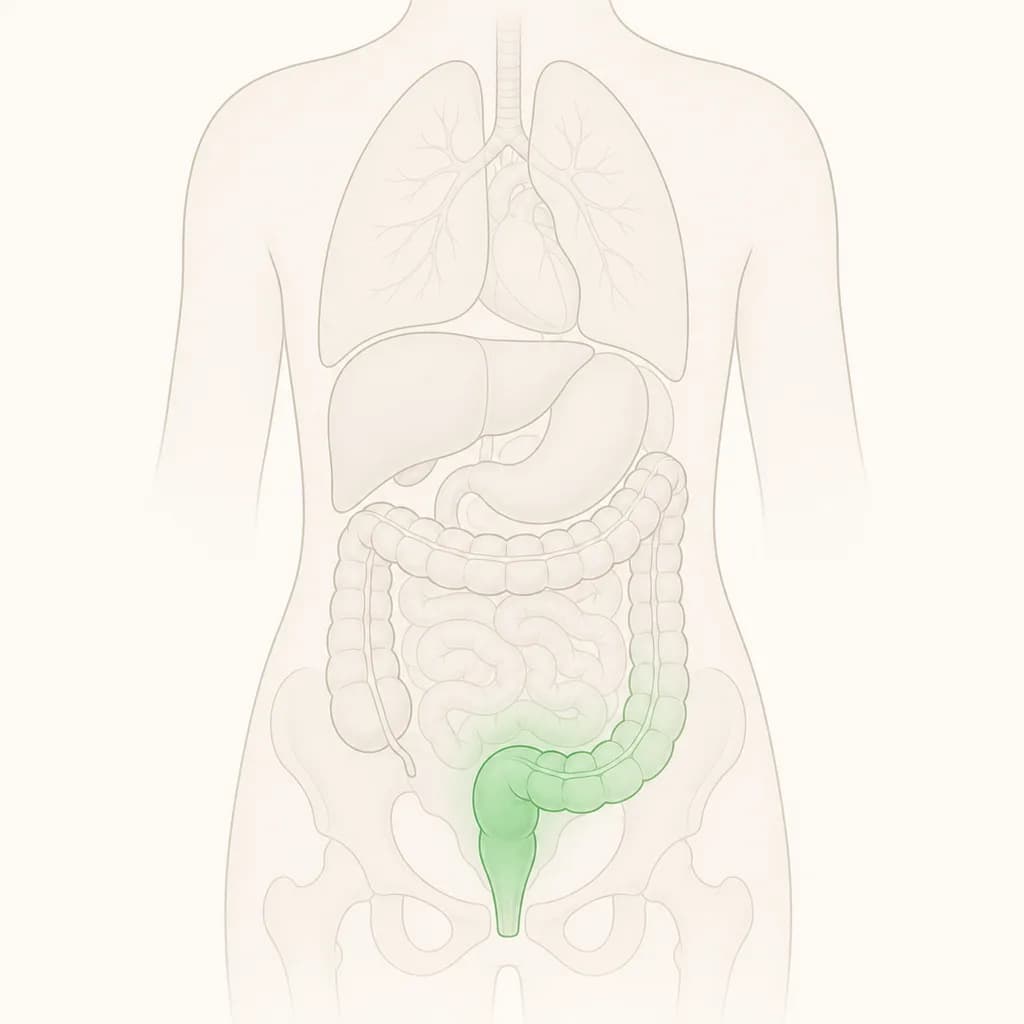
Pregnancy hormones can slow movement through the bowel, allowing more water to be absorbed from stool. Reduced activity, nausea-related diet changes, iron supplements and pressure from the growing uterus may add to the problem.
Constipation may involve hard or lumpy stool, infrequent bowel movements, straining, or a feeling that the bowel has not emptied. It is uncomfortable but does not usually harm the pregnancy; persistent symptoms still deserve review for medicines or another contributing condition.
A practical bowel routine
Add vegetables, fruit, pulses and whole grains over several days, and pair extra fibre with regular fluids. Gentle walking supports bowel movement when your maternity team has not advised activity restriction. Respond to the urge to pass stool and allow unhurried toilet time, often after a meal.
A small footstool can raise the knees above the hips and reduce straining. Do not stop iron on your own; ask whether the dose or preparation can be adjusted. Avoid herbal remedies, castor oil and unverified cleansing products because ingredients and effects may be unsuitable in pregnancy.
When medication is needed, clinicians often choose an option that softens stool or draws water into the bowel. The right choice depends on symptoms, other medicines and whether there may be impaction or obstruction, so follow the supplied dose rather than combining products.
When to get medical help
Seek urgent assessment for severe or persistent abdominal pain, repeated vomiting, a swollen abdomen with inability to pass stool or wind, heavy rectal bleeding, faintness, fever, or pregnancy-related warning signs such as vaginal bleeding, fluid leakage or regular painful tightenings.
Contact your maternity or primary-care clinician if constipation persists despite self-care, blood repeatedly coats the stool, passing stool is very painful, or watery leakage occurs around suspected hard stool. Thirst, dark urine and dizziness can accompany dehydration and also warrant attention.
What to ask at your appointment
Ask whether iron, nausea medicine or another prescription could be contributing; which laxative type fits your stage of pregnancy; how long to use it; and what symptoms mean you should stop. Mention previous bowel disease, thyroid problems and any rectal bleeding.
Find care
General Clinics & Polyclinics in Abu Dhabi
That answer is general. If you want it applied to your own case, these are licensed general clinics & polyclinics listed in Abu Dhabi.
27 Ar Ruwwad St - Shakhbout City - MSH4 - Abu Dhabi - United Arab Emirates
Accepts: Daman, Thiqa, Cigna, MetLife +20 more
Al Ruwais, Al Dhafrah
Accepts: Daman, Thiqa, AXA, Cigna +16 more
Al Bahyah - Al Bahyah Old - Abu Dhabi - United Arab Emirates
Accepts: Daman, Thiqa, Cigna, Allianz Care +18 more
Abu Dhabi
Accepts: Daman, Thiqa, AXA, Cigna +27 more
Ordered by verification status and how complete each clinic's public record is, then alphabetically. This is a directory listing, not a ranking — Zavis does not rate or recommend providers.
A factual listing drawn from the DHA, DOH and MOHAP licence registers. It is not a referral, an endorsement, or advice that any of these providers is right for you.
Questions people ask
Can straining harm the baby?
Ordinary straining during a bowel movement does not usually harm the pregnancy, though it can worsen haemorrhoids or anal discomfort. Persistent or severe pain needs assessment.
Should I stop iron tablets if they cause constipation?
Do not stop prescribed iron without advice. Your clinician may adjust the preparation, dose or timing while continuing to address your iron needs.
Are all over-the-counter laxatives suitable in pregnancy?
No. Product type, dose and your health history matter, so confirm the choice with a clinician or pharmacist who knows you are pregnant.
Related
Related reading
Keep reading
Medical disclaimer. This page is general health information, not medical advice, and it cannot diagnose you. Always consult a licensed healthcare provider about your own symptoms and treatment. In an emergency in the UAE, call 998 for an ambulance.