
Allergy-related skin swelling: what to know
Short answer
Allergy-related skin swelling may settle with trigger avoidance and appropriate antihistamine care, but breathing or throat symptoms need emergency help.
This answers one question. It is not a diagnosis and does not replace an assessment by a licensed doctor.
At a glance
- Common pattern
- Itchy welts or deeper puffiness around soft tissues
- Emergency clue
- Tongue or throat swelling, breathing trouble, or faintness
- Useful record
- Photos, timing, and recent exposures
The short answer
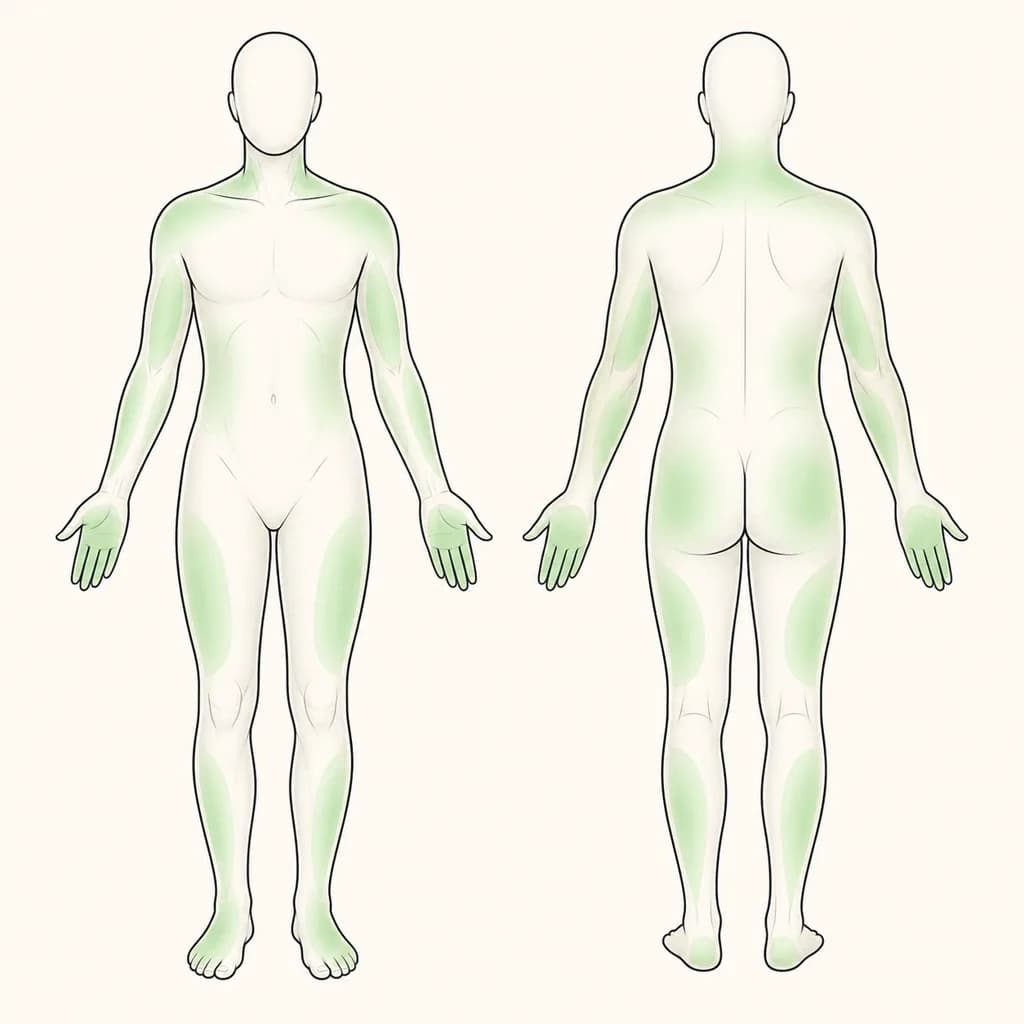
Swelling can accompany itchy raised welts or affect deeper tissue around the eyelids, lips, hands, or feet. The pattern, timing, possible exposure, and associated symptoms help a clinician distinguish an allergic reaction from other causes.
What the swelling may mean
An allergic response releases chemical messengers that allow fluid to move into the skin. Hives typically produce itchy, raised patches that can shift location, while angioedema affects deeper layers and often creates broader puffiness. Allergy is only one explanation: swelling that is hot, painful, increasingly red, or mainly on one side can fit an infection such as cellulitis and needs clinical assessment.
What to do for a mild reaction
Stop contact with a suspected product or exposure when this can be done safely. Remove tight jewellery from a swelling hand, use a cool compress, and avoid scratching or applying unfamiliar creams. If a clinician or pharmacist has confirmed that an oral antihistamine is suitable for you, follow its label or your personal care plan. Do not take extra doses or combine products with overlapping ingredients. Photographing the area and noting foods, medicines, stings, or skin products used beforehand can help identify a pattern.
When to seek urgent care
Call emergency services now if swelling involves the tongue or throat, breathing becomes difficult or noisy, swallowing is hard, the voice changes, or faintness, confusion, or collapse occurs. Use a prescribed adrenaline auto-injector immediately if your emergency plan directs you to do so, then call for help even if symptoms improve. Seek prompt medical advice for rapidly spreading swelling, fever, marked pain, blistering, swelling after a new medicine, or a reaction that keeps returning.
Questions for your clinician
Ask whether the appearance fits hives, angioedema, infection, or another cause; which medicines are appropriate alongside your current prescriptions; and whether allergy testing would change management. If reactions recur, discuss a written action plan and whether you should carry adrenaline.
Find care
General Clinics & Polyclinics in Abu Dhabi
That answer is general. If you want it applied to your own case, these are licensed general clinics & polyclinics listed in Abu Dhabi.
27 Ar Ruwwad St - Shakhbout City - MSH4 - Abu Dhabi - United Arab Emirates
Accepts: Daman, Thiqa, Cigna, MetLife +20 more
Al Ruwais, Al Dhafrah
Accepts: Daman, Thiqa, AXA, Cigna +16 more
Al Bahyah - Al Bahyah Old - Abu Dhabi - United Arab Emirates
Accepts: Daman, Thiqa, Cigna, Allianz Care +18 more
Abu Dhabi
Accepts: Daman, Thiqa, AXA, Cigna +27 more
Ordered by verification status and how complete each clinic's public record is, then alphabetically. This is a directory listing, not a ranking — Zavis does not rate or recommend providers.
A factual listing drawn from the DHA, DOH and MOHAP licence registers. It is not a referral, an endorsement, or advice that any of these providers is right for you.
Questions people ask
Can allergy-related swelling occur without hives?
Yes. Deeper swelling called angioedema can occur with or without visible hives, especially around the lips, eyelids, hands, or feet.
Should I use a cold or hot compress?
A cool compress can soothe mild itching and puffiness. Heat may worsen itching or flushing, and it does not address a serious allergic reaction.
Related
Related reading
Keep reading
Medical disclaimer. This page is general health information, not medical advice, and it cannot diagnose you. Always consult a licensed healthcare provider about your own symptoms and treatment. In an emergency in the UAE, call 998 for an ambulance.