
Allergy medicine for pet allergies
Short answer
Allergy medicines can reduce pet-allergy symptoms, but the right option depends on where symptoms occur, other health conditions, and possible side effects.
This answers one question. It is not a diagnosis and does not replace an assessment by a licensed doctor.
At a glance
- Common options
- Antihistamine tablets, nasal steroid sprays, and allergy eye drops target different symptoms.
- Exposure control
- Keeping allergens out of the bedroom can support symptom control.
- Safety point
- Check active ingredients before combining allergy and cold medicines.
The short answer
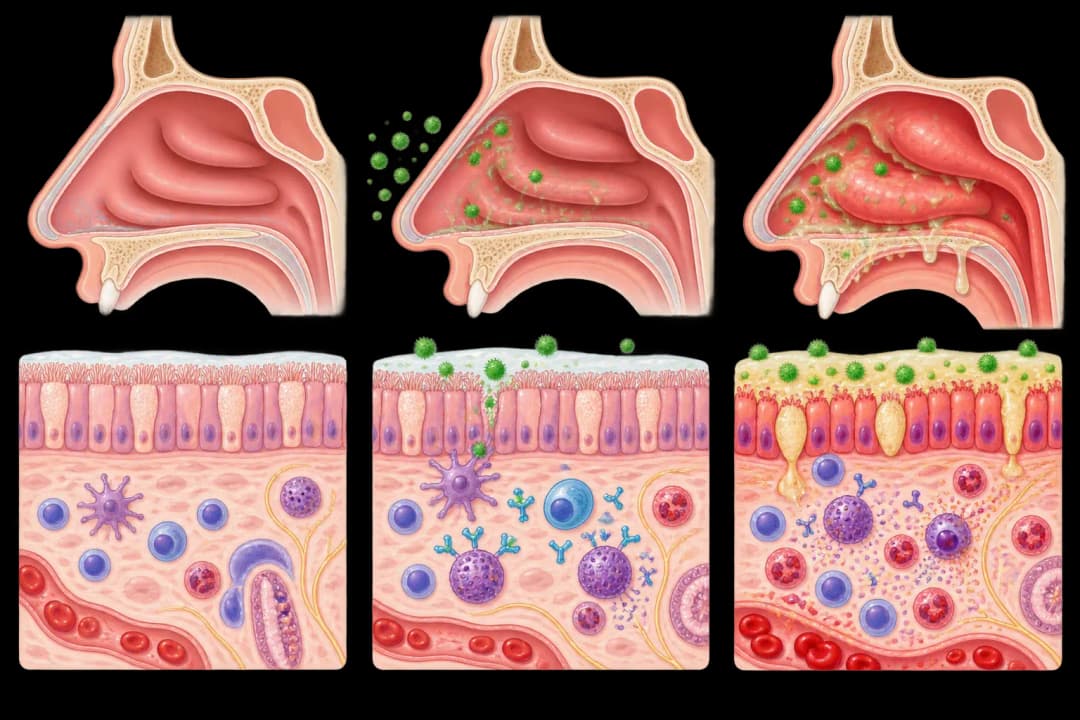
Antihistamines may help sneezing, itching, and a runny nose. A corticosteroid nasal spray may be more useful when nasal congestion is persistent, while allergy eye drops target eye symptoms. Medicine controls the reaction; it does not remove pet allergens from the environment.
How treatment fits the symptoms
Pet allergy is a reaction to proteins carried in skin flakes, saliva, or urine rather than to the animal's hair itself. These particles can remain on furniture, clothing, and other surfaces after the pet has left the room.
Some antihistamines cause less drowsiness than older sedating products. Nasal decongestant sprays are different from steroid nasal sprays and can worsen congestion if used longer than directed. Check with a pharmacist or clinician before combining products, because different brand names may contain the same active ingredient.
Practical next steps
Match the medicine to the main symptom and follow the product instructions. Use a nasal spray with the nozzle angled slightly outward, away from the centre wall of the nose. If a medicine makes you sleepy, avoid driving, operating machinery, or mixing it with alcohol or other sedating medicines.
Reduce exposure alongside treatment: keep the pet out of the bedroom, wash hands after contact, clean soft furnishings, and use a vacuum with suitable filtration. If symptoms continue, a clinician can review the diagnosis, inhaler needs, or whether allergy testing and specialist treatment are appropriate.
When to seek medical care
Arrange a routine medical review if symptoms disturb sleep, keep returning despite correctly used medicine, or include cough, wheeze, or chest tightness. Seek urgent help for marked breathing difficulty, rapidly worsening wheeze, faintness, or swelling of the lips, tongue, or throat.
Questions for your doctor or pharmacist
Ask which product suits your dominant symptoms, whether it can cause drowsiness, and whether it interacts with your regular medicines. Mention pregnancy, breastfeeding, glaucoma, prostate or urinary problems, heart conditions, high blood pressure, and any history of asthma before starting an over-the-counter product.
Find care
General Clinics & Polyclinics in Abu Dhabi
That answer is general. If you want it applied to your own case, these are licensed general clinics & polyclinics listed in Abu Dhabi.
27 Ar Ruwwad St - Shakhbout City - MSH4 - Abu Dhabi - United Arab Emirates
Accepts: Daman, Thiqa, Cigna, MetLife +20 more
Al Ruwais, Al Dhafrah
Accepts: Daman, Thiqa, AXA, Cigna +16 more
Al Bahyah - Al Bahyah Old - Abu Dhabi - United Arab Emirates
Accepts: Daman, Thiqa, Cigna, Allianz Care +18 more
Abu Dhabi
Accepts: Daman, Thiqa, AXA, Cigna +27 more
Ordered by verification status and how complete each clinic's public record is, then alphabetically. This is a directory listing, not a ranking — Zavis does not rate or recommend providers.
A factual listing drawn from the DHA, DOH and MOHAP licence registers. It is not a referral, an endorsement, or advice that any of these providers is right for you.
Questions people ask
Can I take an antihistamine every day for pet allergies?
Some less-sedating antihistamines are intended for regular use, but suitability depends on the specific product, your health, and other medicines. Follow the label and seek a medication review if you need ongoing treatment.
Will allergy medicine let me keep a pet without symptoms?
Medicine may reduce symptoms but cannot prevent every exposure. Combining the appropriate treatment with changes in the home often gives better control than relying on medicine alone.
When might allergy testing help?
Testing may be considered when the trigger is unclear, symptoms persist despite sensible measures, or the result would change a longer-term treatment plan.
Related
Related reading
Keep reading
Medical disclaimer. This page is general health information, not medical advice, and it cannot diagnose you. Always consult a licensed healthcare provider about your own symptoms and treatment. In an emergency in the UAE, call 998 for an ambulance.