
What to know about allergy-free pets
Short answer
No furry pet can be assumed to be allergy-free, although individual animals and species may trigger different reactions.
This answers one question. It is not a diagnosis and does not replace an assessment by a licensed doctor.
At a glance
- Main trigger
- Proteins from skin flakes, saliva or urine
- Breed labels
- They cannot guarantee freedom from allergic symptoms
- Useful next step
- Track symptoms and discuss persistent reactions with a clinician
Can a pet be allergy-free?
Hair length and shedding do not reliably predict whether a person will react. Spending time with the particular animal before adopting may reveal symptoms, but a symptom-free visit cannot rule out later problems.
What “allergy-friendly” really means
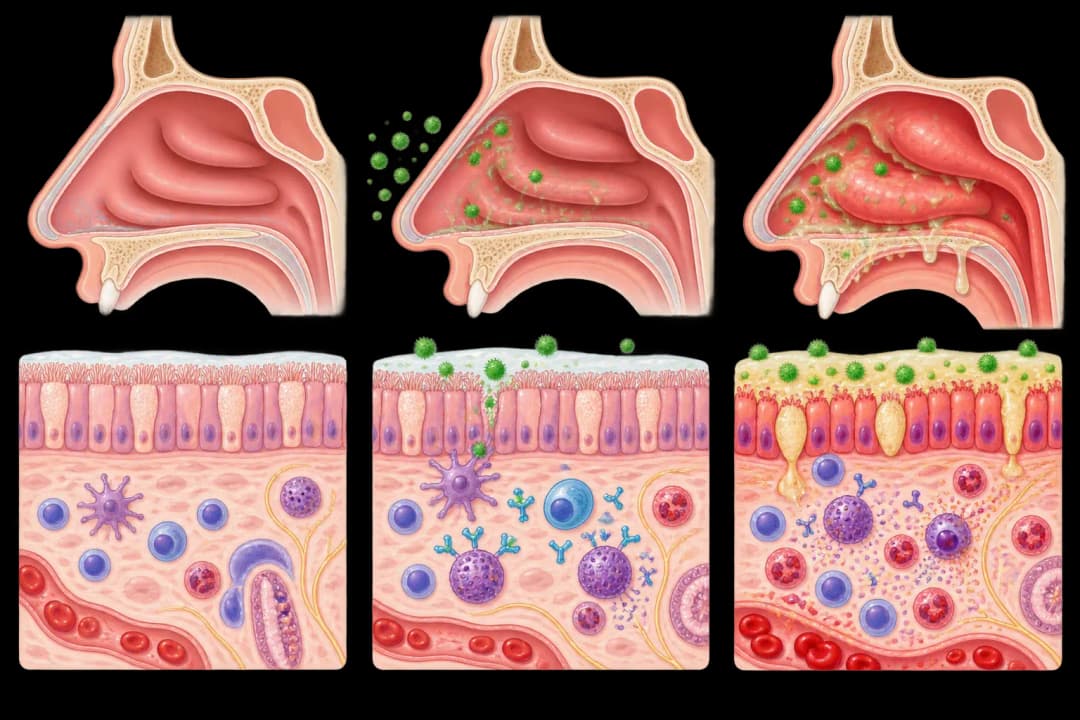
Pet allergy is usually a reaction to proteins from skin flakes, saliva or urine rather than to fur itself. These particles can settle on furniture, clothing and bedding, so symptoms may continue even when the animal is outside the room. Labels such as hypoallergenic describe an intended lower-allergen choice; they do not promise that a pet will be suitable for every allergic person.
Ways to reduce exposure
Keep the pet out of the bedroom and off upholstered furniture, wash hands after contact, and avoid touching your face while handling the animal. Clean hard surfaces with a damp cloth and wash pet bedding regularly. A vacuum with a suitable fine-particle filter and an air cleaner may help with airborne material. Grooming should be done away from the allergic person when possible.
If symptoms persist, record where they occur and whether they follow direct contact, cleaning or time in a pet-filled room. A clinician can assess other possible triggers and discuss allergy testing or medication. Do not give away a pet solely on the basis of a breed label or an unconfirmed assumption.
When to seek medical care
Arrange a routine appointment when sneezing, itchy eyes, congestion, cough or skin symptoms keep returning around animals, disturb sleep, or interfere with normal activities. Seek urgent care for new wheezing, worsening shortness of breath or chest tightness. Call emergency services for severe breathing difficulty, faintness, confusion, or swelling of the lips, tongue or throat.
Questions for your clinician
Ask whether your symptom pattern fits pet allergy, whether testing would change your management, and which exposure-control measures matter most in your home. Also discuss how to use any recommended medicine, what side effects to watch for, and whether asthma could explain coughing or wheezing.
Find care
General Clinics & Polyclinics in Abu Dhabi
That answer is general. If you want it applied to your own case, these are licensed general clinics & polyclinics listed in Abu Dhabi.
27 Ar Ruwwad St - Shakhbout City - MSH4 - Abu Dhabi - United Arab Emirates
Accepts: Daman, Thiqa, Cigna, MetLife +20 more
Al Ruwais, Al Dhafrah
Accepts: Daman, Thiqa, AXA, Cigna +16 more
Al Bahyah - Al Bahyah Old - Abu Dhabi - United Arab Emirates
Accepts: Daman, Thiqa, Cigna, Allianz Care +18 more
Abu Dhabi
Accepts: Daman, Thiqa, AXA, Cigna +27 more
Ordered by verification status and how complete each clinic's public record is, then alphabetically. This is a directory listing, not a ranking — Zavis does not rate or recommend providers.
A factual listing drawn from the DHA, DOH and MOHAP licence registers. It is not a referral, an endorsement, or advice that any of these providers is right for you.
Questions people ask
Does a non-shedding pet prevent pet allergy?
No. Reduced shedding may change how allergens spread, but allergy-triggering proteins can still come from skin flakes, saliva and urine.
Can allergy testing identify a pet allergy?
Testing can support a diagnosis when interpreted alongside your symptoms and exposure history. A positive result alone does not show how severe a reaction will be around a particular animal.
Can pet allergy symptoms be managed without removing the pet?
Some people gain enough control through bedroom exclusion, cleaning, reduced close contact and clinician-recommended treatment. The right approach depends on symptom severity, breathing problems and response to these measures.
Related
Related reading
Keep reading
Medical disclaimer. This page is general health information, not medical advice, and it cannot diagnose you. Always consult a licensed healthcare provider about your own symptoms and treatment. In an emergency in the UAE, call 998 for an ambulance.