
ADHD and nocturnal enuresis
Short answer
ADHD and nocturnal enuresis can occur together, but bedwetting is not deliberate and deserves practical support and a medical review.
This answers one question. It is not a diagnosis and does not replace an assessment by a licensed doctor.
At a glance
- Key message
- Bedwetting during sleep is not laziness or deliberate behaviour.
- Useful record
- Track wet nights, daytime bladder symptoms, bowel habits, sleep and medication timing.
- Medication
- Keep prescribed ADHD treatment unchanged until the prescriber reviews any concern.
The short answer
Attention difficulties, impulsivity, sleep patterns and trouble following a bedtime routine may make bladder management harder. They do not prove that ADHD caused the wetting.
What the connection means
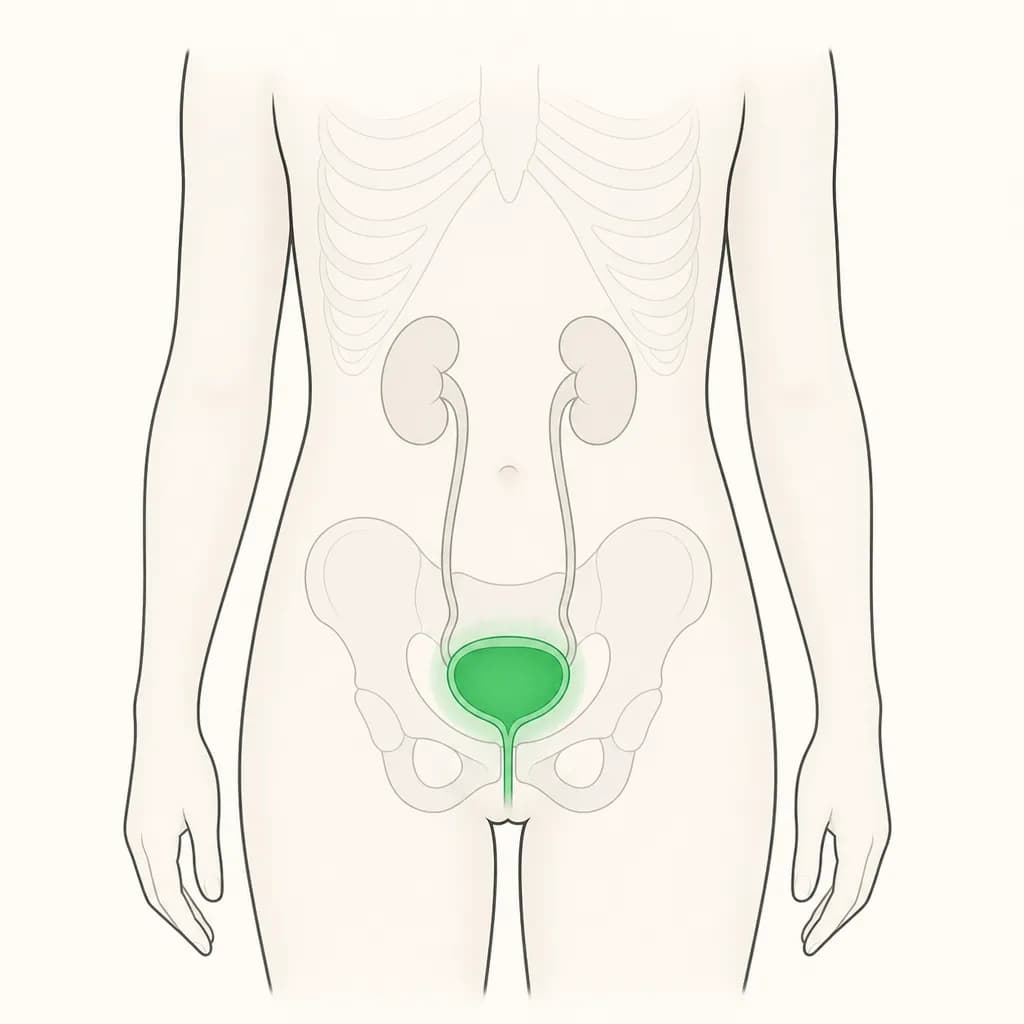
Nocturnal enuresis means passing urine during sleep after bladder control would usually be expected. A child with ADHD may miss daytime body signals, postpone toileting or struggle with a consistent evening routine. Deep or disrupted sleep can also affect waking in response to a full bladder.
Other explanations still need consideration. Constipation can press on the bladder, while painful urination may point to a urinary infection. Loud snoring, pauses in breathing or marked daytime sleepiness can accompany obstructive sleep apnoea. New wetting with unusual thirst, frequent urination or weight loss needs prompt assessment for diabetes.
What to do next
Use a calm, shame-free approach. Encourage regular daytime toilet visits, easy bathroom access, and a predictable toilet trip before sleep. Keep normal hydration earlier in the day and avoid using fluid restriction or punishment as a solution. Protecting the mattress and preparing clean sleepwear can reduce disruption.
Record wet and dry nights, daytime urgency, bowel habits, drinks, snoring and medication timing for a short period. A GP can review urine symptoms, constipation, sleep and development, and may arrange a urine test or discuss a bedwetting alarm. Do not change ADHD medicine without guidance; timing, sleep effects and other causes should be reviewed together.
When to seek medical care
Arrange a GP appointment if bedwetting starts again after a sustained dry period, continues to cause distress, or occurs with daytime accidents, constipation, a weak urine stream or persistent snoring. Seek prompt care for burning urine, fever, back or side pain, blood in the urine, excessive thirst, repeated daytime urination, vomiting, unusual drowsiness or weight loss.
Get urgent help if the person is very unwell, difficult to wake, unable to pass urine, or develops new leg weakness or loss of bladder control while awake. Urgency comes from these warning signs, not from the presence of ADHD.
Questions for your doctor
Ask whether constipation, urine infection, diabetes symptoms or sleep-disordered breathing should be checked; whether medication timing could be affecting sleep or toileting; and whether an alarm or continence service is suitable. Mention bullying, embarrassment and disrupted family sleep so the care plan addresses wellbeing as well as dry nights.
Find care
General Clinics & Polyclinics in Abu Dhabi
That answer is general. If you want it applied to your own case, these are licensed general clinics & polyclinics listed in Abu Dhabi.
27 Ar Ruwwad St - Shakhbout City - MSH4 - Abu Dhabi - United Arab Emirates
Accepts: Daman, Thiqa, Cigna, MetLife +20 more
Al Ruwais, Al Dhafrah
Accepts: Daman, Thiqa, AXA, Cigna +16 more
Al Bahyah - Al Bahyah Old - Abu Dhabi - United Arab Emirates
Accepts: Daman, Thiqa, Cigna, Allianz Care +18 more
Abu Dhabi
Accepts: Daman, Thiqa, AXA, Cigna +27 more
Ordered by verification status and how complete each clinic's public record is, then alphabetically. This is a directory listing, not a ranking — Zavis does not rate or recommend providers.
A factual listing drawn from the DHA, DOH and MOHAP licence registers. It is not a referral, an endorsement, or advice that any of these providers is right for you.
Questions people ask
Does ADHD cause nocturnal enuresis?
The two can occur together, but that does not establish a single cause. Routines, awareness of bladder signals and sleep may contribute, while constipation, urinary problems and sleep disorders may also need assessment.
Should a child be woken to use the toilet?
Occasional planned waking may reduce a wet night but may not teach independent waking. Discuss a structured bedwetting alarm with a clinician if simple routine measures are not enough.
Should ADHD medication be stopped because of bedwetting?
Do not stop or alter prescribed medicine on your own. The prescriber can compare the timing of wetting, sleep changes and medicine doses, then decide whether any adjustment is appropriate.
Related
Related reading
Keep reading
Medical disclaimer. This page is general health information, not medical advice, and it cannot diagnose you. Always consult a licensed healthcare provider about your own symptoms and treatment. In an emergency in the UAE, call 998 for an ambulance.