
Taping for an adductor strain
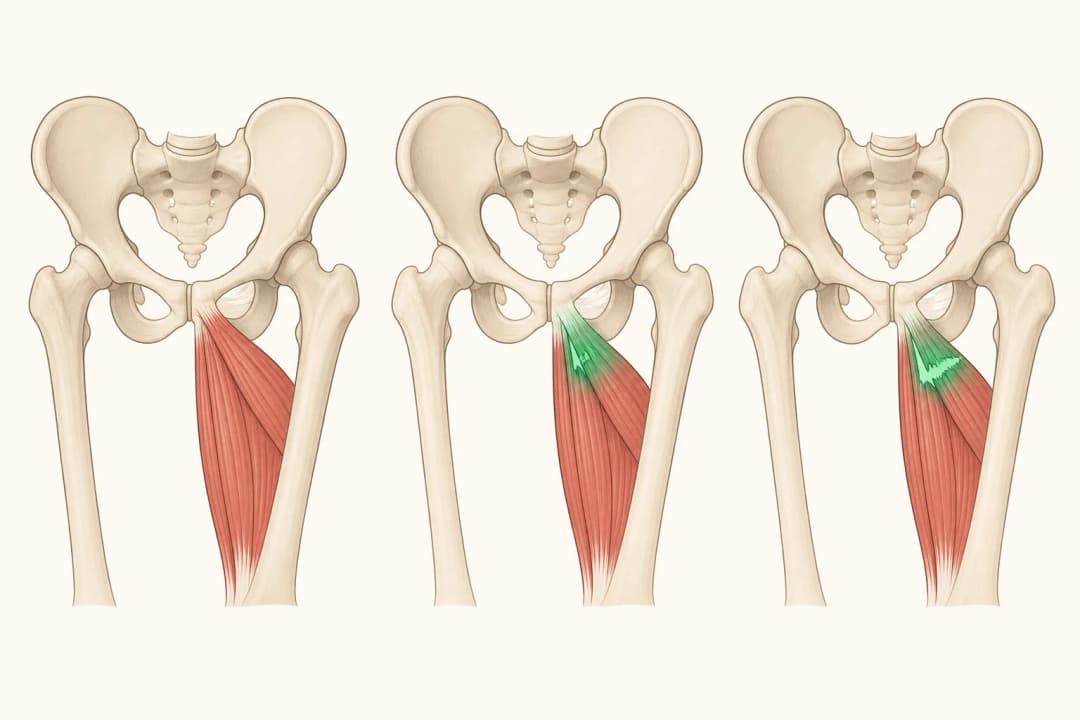
Short answer
Taping may provide short-term support or movement feedback for an adductor strain, but it does not repair the injury or replace progressive rehabilitation.
This answers one question. It is not a diagnosis and does not replace an assessment by a licensed doctor.
At a glance
- Main role
- Tape may offer temporary comfort, support or movement feedback.
- Skin safety
- Tape belongs on intact skin and should be removed if irritation or circulation symptoms appear.
- Recovery priority
- Graduated exercise and activity progression build the capacity needed for return to sport.
The short answer
The effect varies between people. Tape is most useful when it has a clear purpose, such as making a modified activity feel more comfortable, and when the skin and circulation are checked carefully.
What tape can contribute
Elastic tape may change skin sensation and provide a cue during movement. Rigid sports tape can limit selected motion more firmly. Neither type can reliably show whether the muscle is ready for sprinting, kicking or cutting. Comfort with tape should therefore be considered alongside strength, control and the response after activity.
Using tape safely
Ask a physiotherapist to demonstrate the direction, tension and intended movement effect for your symptoms. Apply tape to clean, dry, intact skin without pulling it tightly around the thigh. Remove it if pain increases or if the skin becomes itchy, blistered or unusually red. Stop immediately if the leg develops numbness, tingling, coolness or a colour change. Continue the prescribed mobility and strengthening programme rather than using tape to push through sharp pain.
When tape is not enough
Arrange an assessment if groin pain is worsening, keeps returning, affects normal walking or is accompanied by notable weakness or swelling. Urgent care is appropriate after major trauma if you cannot bear weight, or when groin pain occurs with fever, abdominal symptoms, testicular pain or swelling, numbness or a visible deformity.
Questions before relying on tape
Ask what the tape is intended to change, how long it should remain on, which skin reactions require removal, whether an alternative support is more suitable and which strength or movement checks should determine readiness for harder activity.
Find care
General Clinics & Polyclinics in Abu Dhabi
That answer is general. If you want it applied to your own case, these are licensed general clinics & polyclinics listed in Abu Dhabi.
27 Ar Ruwwad St - Shakhbout City - MSH4 - Abu Dhabi - United Arab Emirates
Accepts: Daman, Thiqa, Cigna, MetLife +20 more
Al Ruwais, Al Dhafrah
Accepts: Daman, Thiqa, AXA, Cigna +16 more
Al Bahyah - Al Bahyah Old - Abu Dhabi - United Arab Emirates
Accepts: Daman, Thiqa, Cigna, Allianz Care +18 more
Abu Dhabi
Accepts: Daman, Thiqa, AXA, Cigna +27 more
Ordered by verification status and how complete each clinic's public record is, then alphabetically. This is a directory listing, not a ranking — Zavis does not rate or recommend providers.
A factual listing drawn from the DHA, DOH and MOHAP licence registers. It is not a referral, an endorsement, or advice that any of these providers is right for you.
Questions people ask
Can I play sport with my adductor taped?
Tape does not prove that the muscle can tolerate sport. Readiness depends on comfortable movement, adequate strength and the ability to complete running and sport-specific tasks without a significant symptom flare.
How tightly should adductor tape be applied?
It should never cause numbness, tingling, coolness or colour change. Because technique depends on the tape type and goal, have a trained clinician demonstrate the application before you copy it.
Related
Related reading
Keep reading
Medical disclaimer. This page is general health information, not medical advice, and it cannot diagnose you. Always consult a licensed healthcare provider about your own symptoms and treatment. In an emergency in the UAE, call 998 for an ambulance.