
What should you know about 3 months postpartum heavy period?
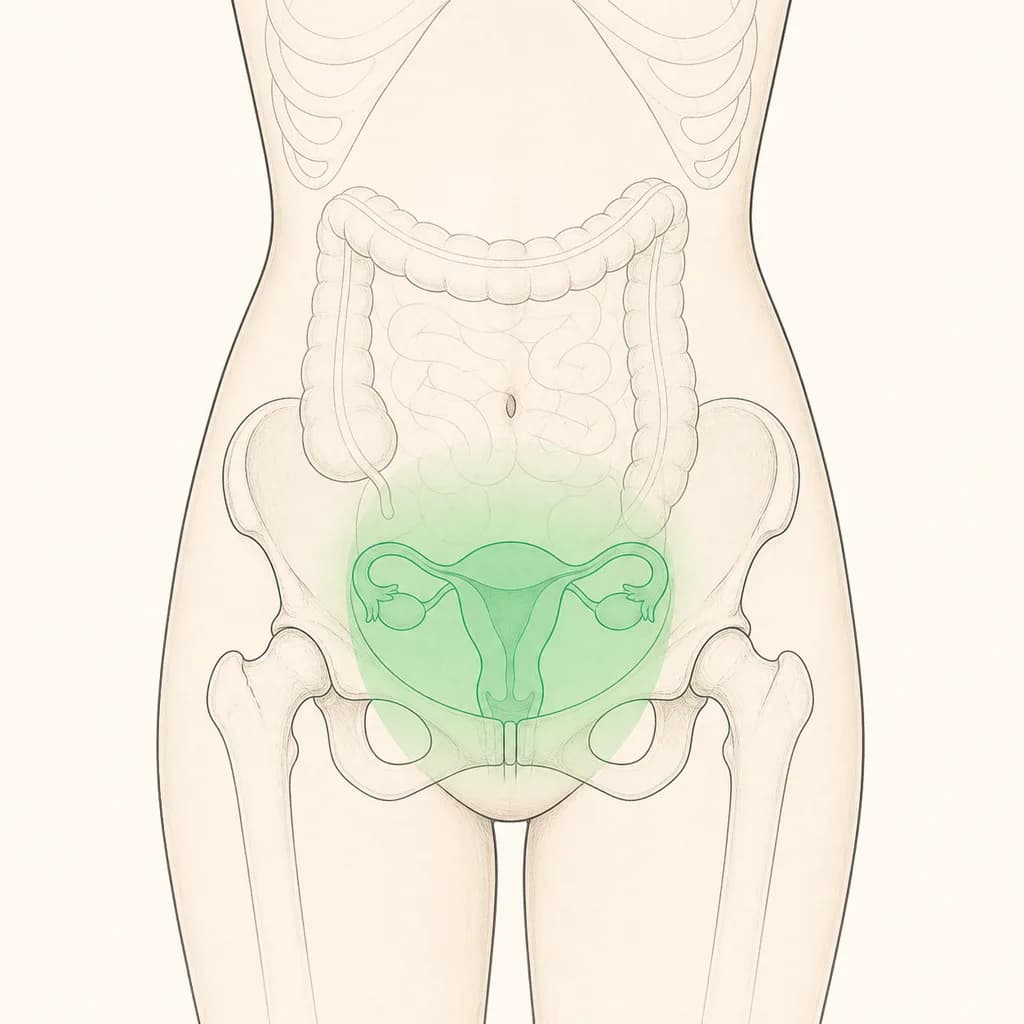
Short answer
A heavy period three months after birth can accompany the return of menstrual cycles, but very heavy or worsening bleeding needs medical assessment.
This answers one question. It is not a diagnosis and does not replace an assessment by a licensed doctor.
At a glance
- Useful details
- Flow, clots, pain, fever, discharge, dizziness, and whether bleeding is increasing
- Clinical review
- Arrange one when bleeding is unusually heavy, persistent, recurrent, or disruptive
- Emergency warning
- Rapid soaking with faintness, breathing difficulty, severe pain, or fever
The short answer
The first cycles after pregnancy may differ from your usual pattern. Bleeding should still be judged by its flow, associated symptoms, and whether it is settling or becoming heavier.
What the bleeding may mean
Menstruation can return before or after three months, and breastfeeding may make its timing irregular. A heavier first period can occur as hormonal cycling resumes. Bleeding at this stage can also come from pregnancy-related tissue, infection, a new pregnancy, or a gynaecological cause, so the timing alone cannot identify the cause.
Passing clots, bleeding between expected periods, pelvic pressure, fever, unusual discharge, or increasing pain gives a clinician useful clues. Ongoing heavy loss can contribute to iron deficiency anaemia, which may present with unusual tiredness, breathlessness, dizziness, paleness, or a racing heartbeat.
What to do now
Track when the bleeding began, how quickly pads become soaked, clot size, pain, temperature, discharge, and any dizziness. Use pads while assessing the flow because they make changes easier to observe. Arrange a clinical review if the flow is much heavier than your previous periods, persists, recurs, or interferes with normal activity.
Tell the clinician whether you are breastfeeding, whether birth was vaginal or by caesarean, whether the placenta required assistance, what contraception you use, and whether pregnancy is possible. Do not start iron or hormonal medicine solely on the basis of bleeding without individual advice.
When to seek urgent care
Seek urgent medical care for bleeding that soaks pads rapidly, large or repeated clots, fainting, marked dizziness, breathlessness, chest discomfort, severe or worsening abdominal pain, fever, confusion, or feeling acutely unwell. Do not drive yourself if you feel faint or weak.
Contact a maternity or emergency service promptly if bleeding suddenly becomes bright red and much heavier, especially after it had eased, or if pregnancy could be possible. These warning signs matter because blood loss and infection can worsen quickly regardless of the underlying cause.
Questions for your appointment
Ask whether you need a blood count, iron assessment, pregnancy test, pelvic examination, or ultrasound. You can also ask which bleeding changes should trigger urgent reassessment and whether your current contraception or breastfeeding pattern could be affecting your cycles.
Find care
General Clinics & Polyclinics in Abu Dhabi
That answer is general. If you want it applied to your own case, these are licensed general clinics & polyclinics listed in Abu Dhabi.
27 Ar Ruwwad St - Shakhbout City - MSH4 - Abu Dhabi - United Arab Emirates
Accepts: Daman, Thiqa, Cigna, MetLife +20 more
Al Ruwais, Al Dhafrah
Accepts: Daman, Thiqa, AXA, Cigna +16 more
Al Bahyah - Al Bahyah Old - Abu Dhabi - United Arab Emirates
Accepts: Daman, Thiqa, Cigna, Allianz Care +18 more
Abu Dhabi
Accepts: Daman, Thiqa, AXA, Cigna +27 more
Ordered by verification status and how complete each clinic's public record is, then alphabetically. This is a directory listing, not a ranking — Zavis does not rate or recommend providers.
A factual listing drawn from the DHA, DOH and MOHAP licence registers. It is not a referral, an endorsement, or advice that any of these providers is right for you.
Questions people ask
Can breastfeeding affect when periods return?
Yes. Breastfeeding-related hormonal changes can delay menstruation or make early cycles irregular, but they do not explain every episode of heavy bleeding.
Should I take iron for a heavy postpartum period?
Heavy blood loss can reduce iron stores, but the right test and dose depend on your symptoms, health, and medicines. A clinician can check for anaemia and recommend suitable treatment.
Related
Related reading
Keep reading
Medical disclaimer. This page is general health information, not medical advice, and it cannot diagnose you. Always consult a licensed healthcare provider about your own symptoms and treatment. In an emergency in the UAE, call 998 for an ambulance.