
Heavy period bleeding lasting ten days
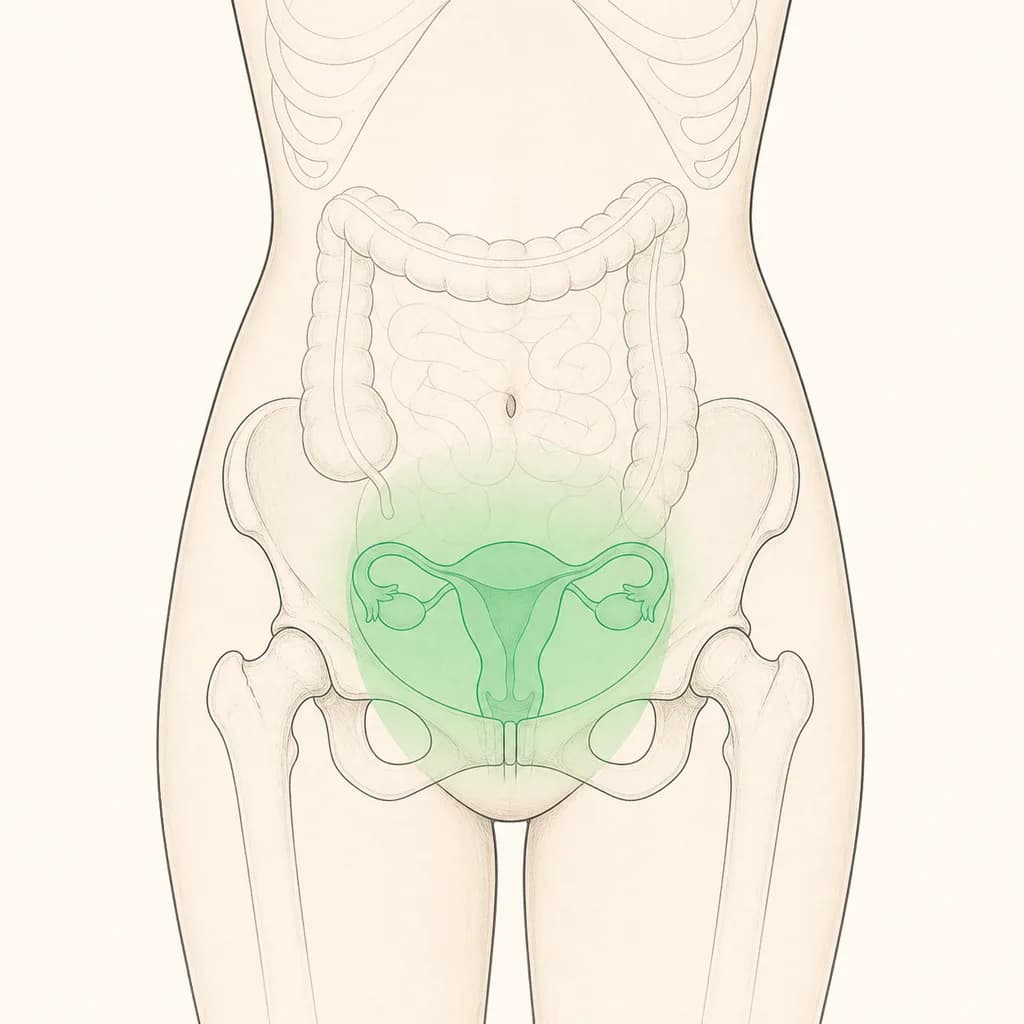
Short answer
Heavy menstrual bleeding lasting ten days deserves medical assessment, especially if it is unusual for you or causes weakness.
This answers one question. It is not a diagnosis and does not replace an assessment by a licensed doctor.
At a glance
- Key concern
- Duration, flow and effects such as dizziness all guide urgency.
- Useful record
- Track protection changes, clots, pain and medicines.
- Possible effect
- Ongoing blood loss can deplete iron and cause anaemia.
How to respond to prolonged heavy bleeding
Bleeding that disrupts sleep, repeatedly soaks through protection, passes large clots or prevents normal activity gives a clinician useful information about severity. The effect on you matters alongside the number of days.
Possible explanations
Changes in ovulation can alter the uterine lining and lead to prolonged bleeding. Fibroids, adenomyosis, endometrial polyps, thyroid disorders, some medicines and bleeding disorders are other possibilities. Pregnancy-related bleeding must also be considered when pregnancy is possible.
Sustained blood loss can contribute to iron deficiency anaemia, which may present with fatigue, breathlessness, palpitations, headaches or reduced exercise tolerance. A symptom pattern cannot identify the cause without assessment.
Prepare for an assessment
Contact a healthcare professional promptly. Record when bleeding began, how often you change pads or tampons, clot size, pain, dizziness, medications and whether this differs from your usual cycle. Mention pregnancy possibility and take a pregnancy test if advised.
Assessment may include a blood count, iron testing, a pregnancy test and examination; ultrasound or further uterine evaluation depends on your history. Avoid starting iron or changing prescribed blood-thinning medicine without individual guidance.
When bleeding becomes an emergency
Seek urgent care if bleeding is rapidly soaking through menstrual protection, or if you feel faint, confused, very weak, short of breath, have chest pain, severe pelvic pain or may be pregnant with pain or dizziness. Do not drive yourself if you feel faint.
Points to discuss with your clinician
Ask whether you need tests for anaemia or pregnancy, which causes fit your age and cycle history, whether imaging is appropriate, and what can safely reduce bleeding. Request clear instructions for worsening symptoms and follow-up if bleeding returns.
Find care
General Clinics & Polyclinics in Abu Dhabi
That answer is general. If you want it applied to your own case, these are licensed general clinics & polyclinics listed in Abu Dhabi.
27 Ar Ruwwad St - Shakhbout City - MSH4 - Abu Dhabi - United Arab Emirates
Accepts: Daman, Thiqa, Cigna, MetLife +20 more
Al Ruwais, Al Dhafrah
Accepts: Daman, Thiqa, AXA, Cigna +16 more
Al Bahyah - Al Bahyah Old - Abu Dhabi - United Arab Emirates
Accepts: Daman, Thiqa, Cigna, Allianz Care +18 more
Abu Dhabi
Accepts: Daman, Thiqa, AXA, Cigna +27 more
Ordered by verification status and how complete each clinic's public record is, then alphabetically. This is a directory listing, not a ranking — Zavis does not rate or recommend providers.
A factual listing drawn from the DHA, DOH and MOHAP licence registers. It is not a referral, an endorsement, or advice that any of these providers is right for you.
Questions people ask
Can hormonal changes cause a long heavy period?
Yes. Altered ovulation can change how the uterine lining builds and sheds, but persistent or severe bleeding still needs assessment for other causes.
Why might a clinician order blood tests?
A blood count and iron tests can check whether blood loss has caused anaemia; other tests are selected from your symptoms and history.
Does heavy bleeding point to one particular condition?
No. Several uterine, hormonal, medication-related and pregnancy-related causes can present with heavy bleeding, so the symptom alone does not establish a diagnosis.
Related
Related reading
Keep reading
Medical disclaimer. This page is general health information, not medical advice, and it cannot diagnose you. Always consult a licensed healthcare provider about your own symptoms and treatment. In an emergency in the UAE, call 998 for an ambulance.