
Mohs Surgery
At a glance
- Purpose
- Removal of selected skin cancers with margin checks during surgery
- Anaesthetic
- Usually local anaesthetic
- Aftercare
- Dressings, wound care, and follow-up tailored to the repair
Find care
Dermatology & Skin Care in Dubai
Licensed dermatology & skin care listed in Dubai. Appearing here means a provider holds a UAE licence in this category — not that it offers mohs surgery, which is worth confirming with the clinic before you book.
Wafi Mall - 1st Floor - Code “B”/ Entrance - Gate 3 Oud Metha Rd - inside the mall - Umm Hurair Second - Dubai Healthcare City - Dubai - United Arab Emirates
Accepts: Insurance Accepted
Al Ferdous 4, Al Wasl Road 603, AL SAFFA FIRST, Dubai
Accepts: Daman, Thiqa, AXA, Cigna +24 more
The mall, Jumeira Street 856a, UM SUQAIM SECOND, Dubai
Accepts: Thiqa, AXA, Bupa Global, Dubai Insurance Company +10 more
The Arcade, 4 Street 8, Al Garhoud, Dubai
Accepts: Daman, Thiqa, AXA, Cigna +26 more
Office # 102, SMJ-1, 1st Floor - شارع الشيخ زايد - الصفا 1 - الصفا - دبي - United Arab Emirates
Accepts: AXA, Cigna, MetLife, Allianz Care +19 more
Commercial Entrance, The Onyx Tower - 2 Sheikh Zayed Rd - Al Thanyah Third - The Greens - Dubai - United Arab Emirates
Accepts: Daman, Thiqa, AXA, Cigna +23 more
Ordered by verification status and how complete each clinic's public record is, then alphabetically. This is a directory listing, not a ranking — Zavis does not rate or recommend providers.
A factual listing drawn from the DHA, DOH and MOHAP licence registers. It is not a referral, an endorsement, or advice that any of these providers is right for you.
What Mohs surgery does
Mohs surgery removes a skin cancer in carefully checked layers while preserving as much healthy skin as possible.
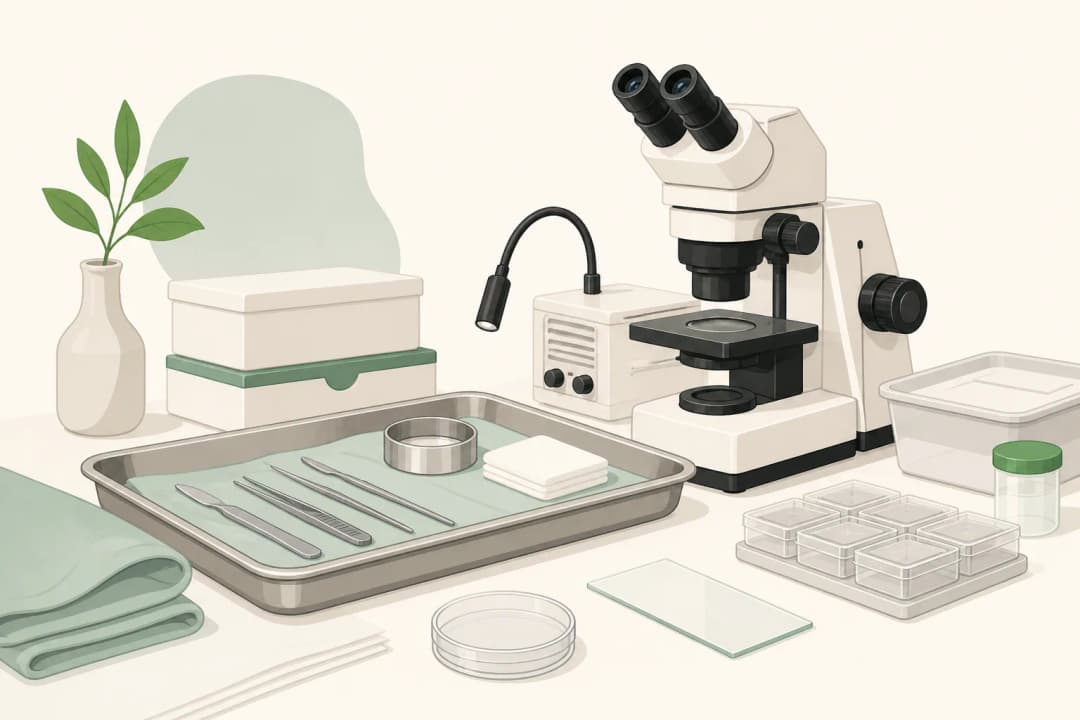
A surgeon removes a thin layer, maps it, and examines its edges under a microscope. If cancer cells remain at an edge, only the matching area is removed next. This approach is often considered when a cancer is on a cosmetically or functionally important site, has unclear borders, or has returned after earlier treatment.
What recovery actually involves
You usually go home after the procedure with a dressing and specific wound-care instructions. The area may feel tender, tight, bruised, or mildly swollen while it settles. Keep the site clean as directed, avoid pulling on the wound, and protect it from rubbing and sun exposure. If stitches are used, the clinician will explain when they should be removed. The repair may be allowed to heal naturally, closed with stitches, or reconstructed with a flap or graft.
What can go wrong, and how often
Bleeding, infection, delayed healing, numbness, pain, and a noticeable scar can occur after skin surgery. The chance and impact differ with the body site, wound size, medicines that affect bleeding, and the type of repair, so there is no single meaningful frequency for every person. Contact the treating team promptly for bleeding that does not stop with steady pressure, spreading redness, worsening pain, pus, fever, or a dressing concern.
Will it fix the problem, and for how long
The layer-by-layer examination aims to confirm that the visible treatment area has clear edges before the repair is completed. That can make Mohs surgery useful for selected basal cell carcinoma and squamous cell carcinoma. A clear result at surgery does not replace follow-up: skin cancers can recur at a treated site, and new skin cancers can develop elsewhere. Ongoing skin checks and attention to a changing scar or new lesion remain worthwhile.
Key facts to know
The appointment can include more than one removal-and-examination cycle, with waiting between cycles while tissue is processed. Bring a list of medicines and allergies, and arrange transport if the clinic advises it or if you expect to feel uncomfortable after the visit.
Who may be offered Mohs surgery
A dermatologist or surgical team considers the diagnosis, biopsy findings, location, size, border definition, previous treatment, and your general health. It may be discussed for cancers on areas where saving healthy skin matters, such as parts of the face, ears, hands, or lower legs. A biopsy is generally used to establish what the lesion is before a treatment plan is chosen.
What happens during the procedure
The clinician marks the area and injects local anaesthetic. A narrow layer of tissue is removed and temporarily bandaged. While it is examined, you wait at the clinic; additional local anaesthetic is given if another targeted layer is needed. When the edges are clear, the team discusses the wound closure and gives written aftercare instructions.
Healing and follow-up
Plan for a quiet recovery period on the day of surgery. Follow the instructions for bathing, dressings, activity, and pain relief because advice depends on the repair. At review, the clinician checks healing and discusses future skin surveillance. A scar continues to mature after the surface has closed, and scar-care advice may be offered when appropriate.
Risks and practical considerations
Tell the team about blood-thinning medicines, implanted devices, allergies, previous wound-healing problems, and any tendency to form raised scars. The final scar is influenced by the size and position of the wound as well as how it heals. A repair can occasionally need further care if healing is slow or if the wound edges separate.
Other treatment approaches
Standard surgical excision, topical treatment, destructive treatments, or radiation may be options in particular circumstances. The appropriate choice depends on the confirmed cancer type, its features, its location, and whether it has been treated before. The clinician can explain why one approach fits the lesion better than another.
Choosing the right care team
Look for a dermatologist or surgeon who can explain the diagnosis, the planned repair, wound-care support, and follow-up. Bring photographs or prior pathology information if you have them. Before booking, ask who will contact you with results or concerns after the procedure and how to reach the clinic outside normal hours.
Questions people ask
Will I be awake during Mohs surgery?
Mohs surgery is commonly performed with local anaesthetic, so the area is numb while you remain awake.
Why is there waiting during the appointment?
The removed layer is processed and examined so the surgeon can identify whether another targeted layer is needed.
Can I drive home afterwards?
Ask the clinic in advance; the answer depends on the treatment area, repair, medicines, and your comfort.
Related
Related reading
Keep reading
Medical disclaimer. This page is general health information, not medical advice, and it cannot diagnose you. Always consult a licensed healthcare provider about your own symptoms and treatment. In an emergency in the UAE, call 998 for an ambulance.