
Cyst Removal
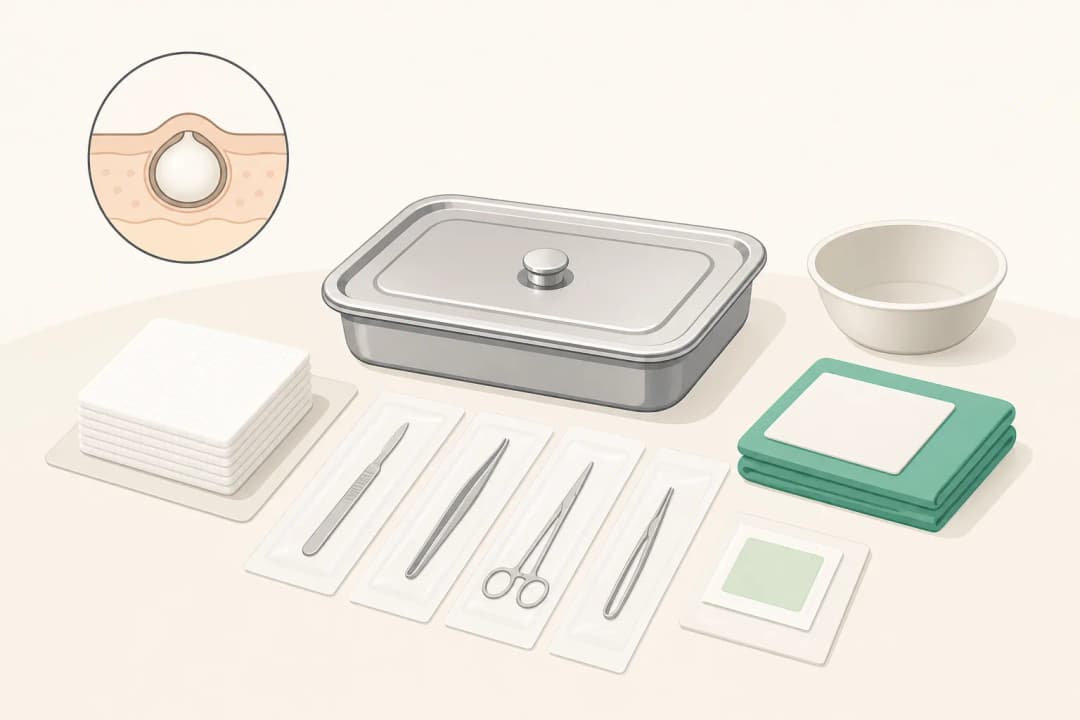
At a glance
- Anaesthesia
- Local anaesthetic is commonly used.
- Key surgical aim
- Remove the cyst wall when this is safe and appropriate.
- Self-care
- Avoid squeezing or puncturing the lump.
Find care
Dermatology & Skin Care in Dubai
Licensed dermatology & skin care listed in Dubai. Appearing here means a provider holds a UAE licence in this category — not that it offers cyst removal, which is worth confirming with the clinic before you book.
Wafi Mall - 1st Floor - Code “B”/ Entrance - Gate 3 Oud Metha Rd - inside the mall - Umm Hurair Second - Dubai Healthcare City - Dubai - United Arab Emirates
Accepts: Insurance Accepted
Al Ferdous 4, Al Wasl Road 603, AL SAFFA FIRST, Dubai
Accepts: Daman, Thiqa, AXA, Cigna +24 more
The mall, Jumeira Street 856a, UM SUQAIM SECOND, Dubai
Accepts: Thiqa, AXA, Bupa Global, Dubai Insurance Company +10 more
The Arcade, 4 Street 8, Al Garhoud, Dubai
Accepts: Daman, Thiqa, AXA, Cigna +26 more
Office # 102, SMJ-1, 1st Floor - شارع الشيخ زايد - الصفا 1 - الصفا - دبي - United Arab Emirates
Accepts: AXA, Cigna, MetLife, Allianz Care +19 more
Commercial Entrance, The Onyx Tower - 2 Sheikh Zayed Rd - Al Thanyah Third - The Greens - Dubai - United Arab Emirates
Accepts: Daman, Thiqa, AXA, Cigna +23 more
Ordered by verification status and how complete each clinic's public record is, then alphabetically. This is a directory listing, not a ranking — Zavis does not rate or recommend providers.
A factual listing drawn from the DHA, DOH and MOHAP licence registers. It is not a referral, an endorsement, or advice that any of these providers is right for you.
What is cyst removal?
A cyst is a closed sac beneath or within the skin that may contain keratin, fluid, or other material. Cyst removal means opening the area and taking out the cyst, ideally including its capsule or wall when this is safe. Removing the contents alone can leave the wall behind, allowing the lump to refill. The clinician first confirms that the lump is suitable for this approach.
The procedure is usually planned with local anaesthetic. A skin cyst, such as an [Epidermoid Cyst](/conditions/epidermoid-cyst/), may occur on several body sites, while a [Pilar Cyst](/conditions/pilar-cyst/) commonly arises on the scalp. The exact method changes if the cyst is painful, infected, ruptured, firmly attached, or difficult to distinguish from another growth.
What does recovery actually involve?
After removal, the site may be closed with stitches or left to heal in a way suited to the wound. Keep the dressing clean and dry for the period advised, then wash gently without rubbing. Mild swelling, bruising, tightness, or soreness can occur. Avoid pulling at stitches, heavy friction, and activities that stretch the wound until the clinic says they are appropriate.
A follow-up may be arranged to inspect healing and remove stitches when needed. A small scar is expected after an incision, and its colour and firmness can change as it matures. Contact the provider for increasing pain, spreading redness, pus, fever, wound separation, or bleeding that does not stop with firm pressure.
What can go wrong, and how often?
Possible complications include bleeding, infection, bruising, delayed healing, numbness near the incision, an allergic reaction to local anaesthetic, and a scar that becomes raised, widened, darker, or lighter. If the cyst wall breaks during surgery, complete removal may be more difficult. The risk profile depends on cyst size, inflammation, site, medical history, and the procedure used.
Tell the clinician about medicines that affect bleeding, diabetes, immune problems, allergies, previous difficult scars, and any recent change in the lump. An inflamed or infected cyst may need a different plan because swelling can make the capsule harder to separate safely.
Will it fix the problem, and for how long?
Removing the cyst wall as well as its contents can address the existing lump for the long term, but no procedure can prevent a new cyst from developing elsewhere. If only drainage is possible during inflammation, the original sac may remain and the lump can return. Your clinician can explain whether the goal is complete removal now or control followed by later treatment.
Ask whether the removed tissue will be examined, what signs suggest recurrence, and when review is needed. A new lump, rapid enlargement, persistent drainage, or a change in the overlying skin deserves assessment rather than repeated squeezing at home.
Key facts
Cyst removal is selected after examining the lump and its surrounding skin. Local anaesthetic is used for the procedure, and the wound may require stitches or a dressing. Do not squeeze or puncture a cyst yourself: this can irritate the wall, spread inflammation, and make later removal harder.
Who may need it?
Removal may be considered when a confirmed cyst is painful, repeatedly inflamed, draining, catching on clothing or hair, limiting comfort, or causing a cosmetic concern. A large or growing lump also deserves a clinical examination. A scalp lump that catches during combing may be managed differently from a cyst near an important facial structure.
Not every cyst needs immediate surgery. Observation can be reasonable when the diagnosis is clear and the lump causes no trouble. If the diagnosis is uncertain, the skin is changing, or inflammation is severe, assessment should come before choosing a removal method.
What happens during cyst removal?
The clinician marks and cleans the area, then injects local anaesthetic around the cyst. A carefully placed incision gives access to the sac. The contents are removed, and the wall is separated from nearby tissue when possible. The wound is checked for bleeding, then closed or dressed according to its depth and location. Instructions cover bathing, dressing changes, activity, pain relief, and follow-up.
Recovery timeline
On the day of treatment, numbness and mild tenderness are expected. Early healing may include swelling or bruising, especially where the skin is tight. Over the next several days, keep the incision protected and follow the dressing instructions. If stitches are used, attend the planned review. The scar continues to soften and change appearance after the surface has closed.
Risks and safety considerations
The principal concerns are infection, bleeding, wound separation, scarring, and recurrence if the cyst wall cannot be removed completely. Nerve irritation can cause altered sensation near some surgical sites. Promptly report worsening rather than settling symptoms, and use only the wound products recommended by the treating clinician.
Possible alternatives
Depending on the cyst’s condition, alternatives include observation, treatment of inflammation, drainage, or delayed removal after swelling settles. Drainage can relieve pressure but may not remove the capsule. The clinician weighs diagnosis, inflammation, location, scarring, and your priorities before recommending a plan.
Finding a suitable provider
Choose a dermatologist or qualified skin surgeon who can examine the lump, explain whether the wall can be removed, and arrange follow-up. Before treatment, ask about the likely scar, specimen assessment, wound care, stitch removal, and what happens if the cyst is inflamed on the appointment day.
Questions people ask
Is cyst removal painful?
The area is numbed with local anaesthetic, though pressure may be felt; tenderness can occur as the numbness fades.
Will I need stitches?
Some wounds are closed with stitches and others are dressed to heal according to their depth and location.
Can a cyst come back after removal?
A cyst may recur if its wall remains, and a separate cyst can develop elsewhere; follow-up helps address either concern.
Related
Related reading
Keep reading
Medical disclaimer. This page is general health information, not medical advice, and it cannot diagnose you. Always consult a licensed healthcare provider about your own symptoms and treatment. In an emergency in the UAE, call 998 for an ambulance.