
Ganglion Cyst Removal
At a glance
- Also called
- Ganglion excision
- Common sites
- Wrist, hand, or near a tendon sheath
- Main goal
- Remove the cyst and address its attachment when appropriate
Find care
Hospitals & Medical Centers in Abu Dhabi
Licensed hospitals & medical centers listed in Abu Dhabi. Appearing here means a provider holds a UAE licence in this category — not that it offers ganglion cyst removal, which is worth confirming with the clinic before you book.
Ahalia Hospital Musaffah Building - Musaffah - Musaffah Industrial - Abu Dhabi - United Arab Emirates
Accepts: Daman, Thiqa, AXA, Cigna +26 more
Al Ruwais Industrial City - Abu Dhabi - United Arab Emirates
Accepts: Daman, Thiqa, AXA, Cigna +30 more
Abu Dhabi, Abu Dhabi
Accepts: Daman, Thiqa, AXA, Cigna +30 more
Plot No. 11-12, SE 44 Khalifa City A - مدينة خليفة - جنوب شرق 44 - أبو ظبي - United Arab Emirates
Accepts: Daman, Thiqa, AXA, Cigna +26 more
7 Al Kawadir 2 St - Khalifa City - SE44 - Abu Dhabi - United Arab Emirates
Accepts: Daman, Thiqa, AXA, Cigna +25 more
Mohammed Bin Khalif Street 669, Al Mussala, Abu Dhabi, Abu Dhai - 35453 - 669 Mohammed Bin Khalifa St - Al Manhal - W15 02 - Abu Dhabi - United Arab Emirates
Accepts: Daman, Thiqa, AXA, Cigna +22 more
Ordered by verification status and how complete each clinic's public record is, then alphabetically. This is a directory listing, not a ranking — Zavis does not rate or recommend providers.
A factual listing drawn from the DHA, DOH and MOHAP licence registers. It is not a referral, an endorsement, or advice that any of these providers is right for you.
What is ganglion cyst removal?
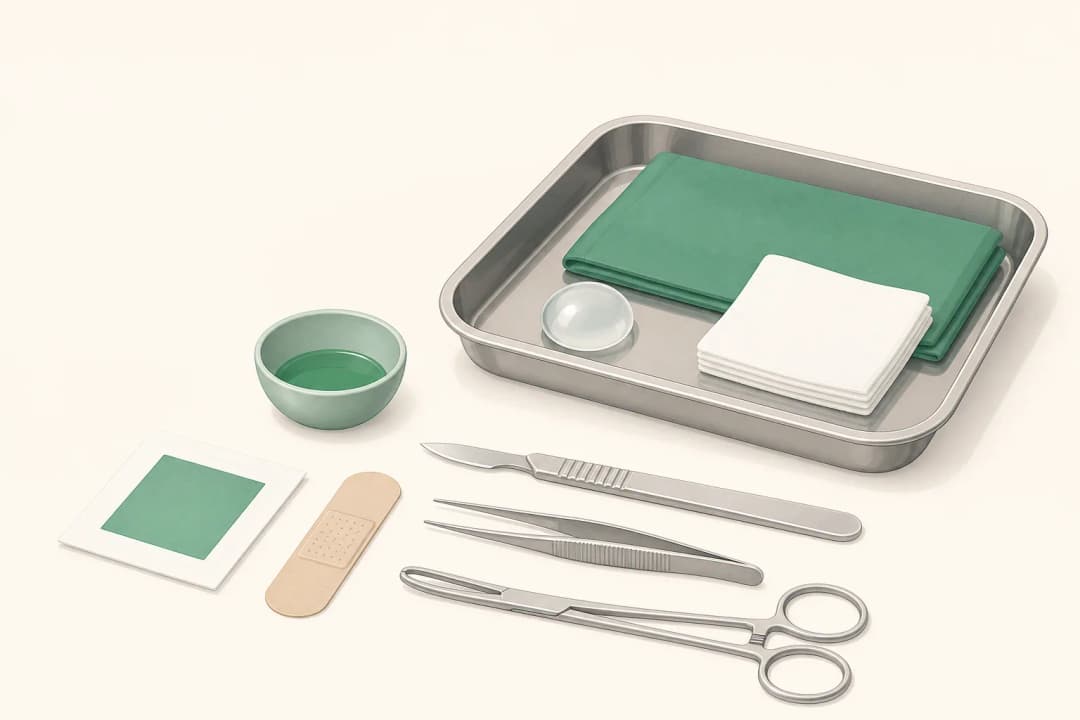
Ganglion cyst removal is a procedure to take out a fluid-filled sac that develops beside a joint or tendon sheath, often at the wrist or hand. The surgeon removes the cyst and follows its attachment, or stalk, as far as is appropriate. This can reduce pressure from the lump and provide tissue for confirmation when the diagnosis is uncertain. The procedure may be done with local or regional anaesthesia, sometimes with sedation, depending on the cyst and the planned approach. Read more about the condition on the Ganglion Cyst page.
What does recovery actually involve?
After removal, the area is covered with a dressing and may be supported briefly. Elevating the hand, moving the fingers as advised, and keeping the wound clean can help limit swelling and stiffness. Soreness around the incision is expected, while grip and wrist use return gradually. A clinician may adjust activity, dressings, or exercises according to the cyst location and the work you do.
What can go wrong, and how often?
Possible problems include infection, bleeding, scar tenderness, temporary numbness, stiffness, or irritation of a nearby nerve, tendon, or blood vessel. The cyst can also come back, particularly when its connection to the joint or tendon sheath remains active. Your surgeon can explain which risks matter most for the exact location and whether medicines or health conditions could affect healing.
Will it fix the problem, and for how long?
Removal often addresses the visible lump and pressure symptoms, but it cannot change every source of wrist or hand pain. A cyst may recur because the joint or tendon sheath can continue to produce fluid. Follow-up helps distinguish recurrence from normal postoperative swelling and checks movement, sensation, and wound healing.
Key facts at a glance
The plan depends on the cyst's size, location, symptoms, previous treatment, and effect on movement or daily tasks. Examination and imaging may be used before surgery when the diagnosis or anatomy needs clarification.
Who may need it?
Removal may be discussed when a ganglion causes persistent pain, pressure, repeated irritation, reduced movement, difficulty with work or sport, or concern about the diagnosis. Observation, activity changes, or aspiration may be reasonable when symptoms are mild. A consultation is useful when a lump is changing, painful, or interfering with function.
How the procedure works
The clinician marks the site and provides anaesthesia. A carefully placed incision exposes the cyst. The cyst is separated from nearby tissues, and its stalk is addressed where possible. The wound is closed and dressed. The removed material may be sent for examination when clinically appropriate. Instructions cover movement, wound care, and warning signs before you leave.
Recovery timeline
The first days usually focus on elevation, dressing care, and comfortable movement of unaffected joints. As the incision settles, light use can increase when advised. Scar sensitivity and swelling may take longer to ease than the wound itself. Return to heavier gripping, repetitive wrist work, or sport should follow the clinician's guidance rather than the calendar alone.
Risks and warning signs
Contact the treating team if redness spreads, drainage develops, pain escalates rather than settles, fever appears, or fingers become unusually pale, blue, numb, or difficult to move. Seek urgent help for severe bleeding or rapidly increasing swelling. These signs need assessment and do not prove that a complication has occurred.
Alternatives to removal
Options can include observation, changing activities that press on the lump, pain relief recommended for you, a splint for selected situations, or needle aspiration. Aspiration may empty the sac but does not always address its connection, so the lump can return. The choice depends on symptoms, examination findings, and your priorities.
Finding the right provider
Look for an orthopaedic or hand surgeon who regularly evaluates wrist and hand lumps and can explain both surgery and non-surgical choices. Bring a list of symptoms, previous procedures, medicines, and activities affected. Ask how the incision will be protected, when movement starts, and which changes should prompt a call.
Questions people ask
Is every ganglion cyst removed?
No. A cyst without troublesome symptoms may be monitored, while removal is considered when pain, pressure, functional limitation, recurrence, or diagnostic uncertainty matters.
Can a ganglion cyst return after removal?
Yes. Recurrence is possible because the related joint or tendon sheath may continue to form fluid.
When can I use my hand normally?
Light use and heavier tasks resume at different times; follow the wound and movement instructions for your particular procedure.
Related
Related reading
Keep reading
Medical disclaimer. This page is general health information, not medical advice, and it cannot diagnose you. Always consult a licensed healthcare provider about your own symptoms and treatment. In an emergency in the UAE, call 998 for an ambulance.