
Weight Management for Joint Pain
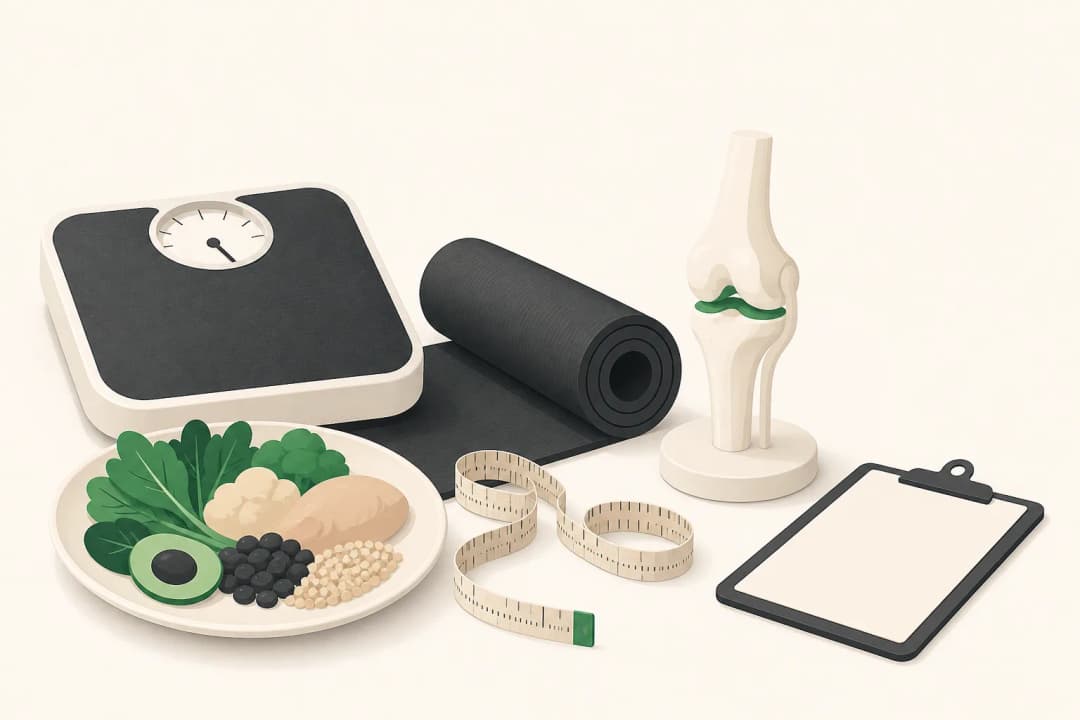
At a glance
- Approach
- Nutrition, movement and behaviour support
- Goal
- More comfortable, sustainable daily movement
- Works with
- Physiotherapy and other joint-pain treatments
Find care
Hospitals & Medical Centers in Abu Dhabi
Licensed hospitals & medical centers listed in Abu Dhabi. Appearing here means a provider holds a UAE licence in this category — not that it offers weight management for joint pain, which is worth confirming with the clinic before you book.
Ahalia Hospital Musaffah Building - Musaffah - Musaffah Industrial - Abu Dhabi - United Arab Emirates
Accepts: Daman, Thiqa, AXA, Cigna +26 more
Al Ruwais Industrial City - Abu Dhabi - United Arab Emirates
Accepts: Daman, Thiqa, AXA, Cigna +30 more
Abu Dhabi, Abu Dhabi
Accepts: Daman, Thiqa, AXA, Cigna +30 more
Plot No. 11-12, SE 44 Khalifa City A - مدينة خليفة - جنوب شرق 44 - أبو ظبي - United Arab Emirates
Accepts: Daman, Thiqa, AXA, Cigna +26 more
7 Al Kawadir 2 St - Khalifa City - SE44 - Abu Dhabi - United Arab Emirates
Accepts: Daman, Thiqa, AXA, Cigna +25 more
Mohammed Bin Khalif Street 669, Al Mussala, Abu Dhabi, Abu Dhai - 35453 - 669 Mohammed Bin Khalifa St - Al Manhal - W15 02 - Abu Dhabi - United Arab Emirates
Accepts: Daman, Thiqa, AXA, Cigna +22 more
Ordered by verification status and how complete each clinic's public record is, then alphabetically. This is a directory listing, not a ranking — Zavis does not rate or recommend providers.
A factual listing drawn from the DHA, DOH and MOHAP licence registers. It is not a referral, an endorsement, or advice that any of these providers is right for you.
What is weight management for joint pain?
Weight management for joint pain combines nutrition, activity and behaviour support to reduce load and improve comfortable movement. It is not a short-term punishment or a promise that pain will disappear. A plan is adapted to your health, food preferences, sleep, mobility and the joint being treated, often alongside physiotherapy or medication.
What does recovery actually involve?
There is no single recovery day because this is an ongoing health plan rather than a procedure. Early work may include a food pattern review, gentle activity that respects pain, and practical changes to meals and routines. Progress is checked through function, energy, comfort and sustainable habits, not only body weight.
What can go wrong, and how often?
A poorly matched plan can leave you hungry, fatigued, discouraged or unable to exercise safely. Sudden restriction may worsen energy and make adherence harder, while pushing through joint pain can aggravate symptoms. Tell the clinician about eating concerns, medicines and medical conditions so the plan can be paced and adapted.
Will it fix the problem, and for how long?
Weight management can reduce mechanical stress and make daily movement easier, but it does not reverse every change inside a joint. Benefits are more likely to last when routines remain realistic and are paired with strength, mobility and condition-specific care. Hip osteoarthritis, knee osteoarthritis and osteoarthritis may still need other treatments.
Key facts
Small practical changes can include swapping high-effort tasks for joint-friendly movement, planning balanced meals, and building strength gradually. Pain should guide activity modification, not eliminate all movement. A dietitian, physiotherapist or doctor can coordinate advice with your existing care.
Who may benefit?
It may help adults whose joint pain limits activity or makes everyday tasks harder, especially when hip or knee loading is part of the problem. You do not need to wait for pain to become severe. A clinician should tailor advice if you have diabetes, pregnancy, a history of disordered eating or other health needs.
What the programme involves
First, the clinician reviews your symptoms, goals, medicines, eating pattern and current movement. Next, you agree on manageable food and activity changes. The plan is tested in daily life, then adjusted around pain, appetite, work and progress. Strength and mobility exercises may be added to protect function.
How progress develops
Some people first notice a change in confidence or daily activity, while pain and fitness may change more gradually. Review appointments can refine exercise, food choices and pacing. If the joint becomes more painful, the plan should be modified rather than abandoned.
Risks and precautions
Overly restrictive eating and exercise beyond your capacity can undermine health and joint function. Dizziness, faintness, marked weakness, worsening pain or distress around food warrants prompt professional review. Medication needs can change with health and activity, so do not adjust prescriptions without medical advice.
Other ways to manage joint pain
Care may also include physiotherapy, strength training, activity pacing, pain medicines, injections, walking aids or surgery when appropriate. The right combination depends on the diagnosis, examination, function and personal goals rather than a single measure.
Finding support
A doctor, physiotherapist or registered dietitian can help you build a joint-friendly plan. Choose someone who asks about mobility, food access, medical history and daily routines. Bring a record of pain triggers and activities you want to regain so the plan stays functional and specific.
Questions people ask
Do I need to lose weight before starting exercise?
No; a clinician can select safe movement at your current ability and progress it gradually.
Will weight management cure arthritis?
It may ease load and improve function, but arthritis can require several forms of care.
What if exercise increases my pain?
Reduce intensity or change the activity and ask for a review to identify a safer progression.
Related
Related reading
Keep reading
Medical disclaimer. This page is general health information, not medical advice, and it cannot diagnose you. Always consult a licensed healthcare provider about your own symptoms and treatment. In an emergency in the UAE, call 998 for an ambulance.