
PRP Hair Treatment
At a glance
- Material used
- Prepared plasma from your own blood
- How it is delivered
- Small injections into selected scalp areas
- Key prerequisite
- A clear diagnosis of the hair-loss pattern
Find care
Dermatology & Skin Care in Dubai
Licensed dermatology & skin care listed in Dubai. Appearing here means a provider holds a UAE licence in this category — not that it offers PRP hair treatment, which is worth confirming with the clinic before you book.
Wafi Mall - 1st Floor - Code “B”/ Entrance - Gate 3 Oud Metha Rd - inside the mall - Umm Hurair Second - Dubai Healthcare City - Dubai - United Arab Emirates
Accepts: Insurance Accepted
Al Ferdous 4, Al Wasl Road 603, AL SAFFA FIRST, Dubai
Accepts: Daman, Thiqa, AXA, Cigna +24 more
The mall, Jumeira Street 856a, UM SUQAIM SECOND, Dubai
Accepts: Thiqa, AXA, Bupa Global, Dubai Insurance Company +10 more
The Arcade, 4 Street 8, Al Garhoud, Dubai
Accepts: Daman, Thiqa, AXA, Cigna +26 more
Office # 102, SMJ-1, 1st Floor - شارع الشيخ زايد - الصفا 1 - الصفا - دبي - United Arab Emirates
Accepts: AXA, Cigna, MetLife, Allianz Care +19 more
Commercial Entrance, The Onyx Tower - 2 Sheikh Zayed Rd - Al Thanyah Third - The Greens - Dubai - United Arab Emirates
Accepts: Daman, Thiqa, AXA, Cigna +23 more
Ordered by verification status and how complete each clinic's public record is, then alphabetically. This is a directory listing, not a ranking — Zavis does not rate or recommend providers.
A factual listing drawn from the DHA, DOH and MOHAP licence registers. It is not a referral, an endorsement, or advice that any of these providers is right for you.
What is PRP hair treatment?
PRP hair treatment uses a prepared portion of your own blood injected into the scalp to support a hair-growth plan after the cause of thinning has been assessed.
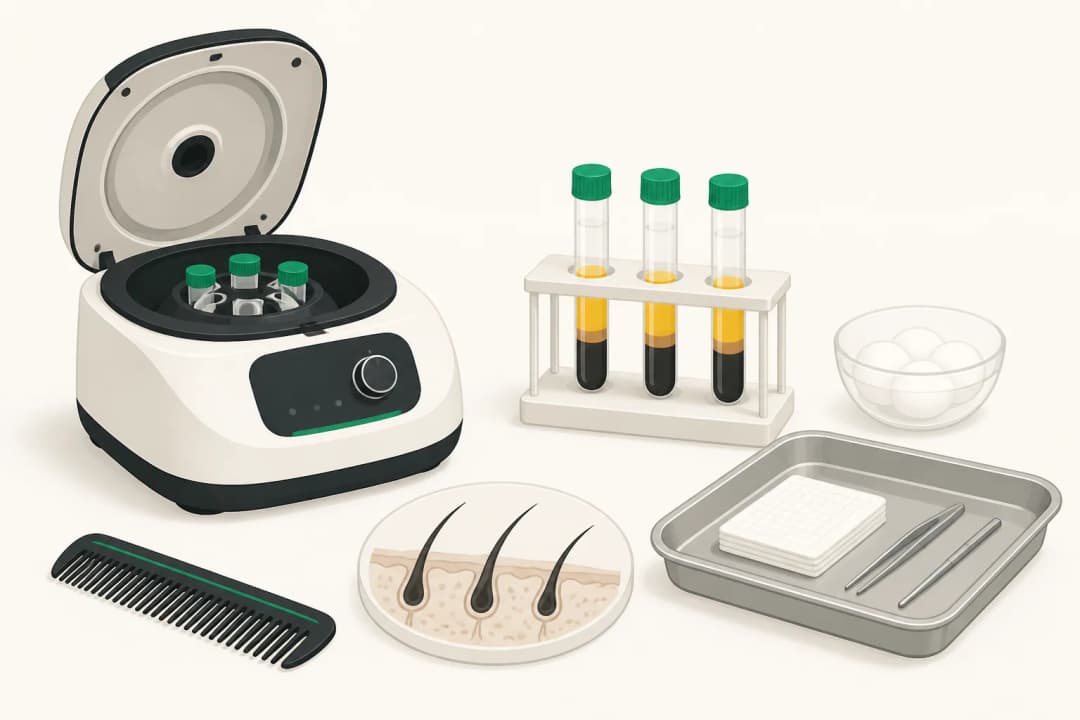
PRP hair treatment involves taking a small blood sample, processing it to concentrate platelets, and placing the prepared plasma into selected areas of the scalp with injections. Platelets release signalling substances involved in healing, so the treatment is used as one part of a plan for selected types of hair thinning. It does not create a new supply of donor hair.
Does it hurt?
The blood draw feels like a brief needle prick. Scalp injections can cause pinching, pressure, or stinging, and the scalp may feel tender afterwards. A topical or local numbing approach may be discussed. Tell the clinician about needle anxiety, bleeding problems, or medicines that may affect the procedure.
Is it safe?
Because the material is prepared from your own blood, allergy to the injected plasma is not the usual concern, but injections can still cause pain, swelling, bruising, infection, or temporary headache. A clinical assessment is needed before treatment, particularly with scalp disease, blood disorders, or medicines that affect clotting.
How long do results last?
Any improvement develops gradually and varies with the cause of hair loss, remaining follicles, general health, and the wider treatment plan. Hair loss can continue because PRP does not remove its underlying driver. Some people discuss maintenance sessions, but the timing should be individualised rather than assumed.
Key facts
PRP is prepared from a blood sample using a centrifuge or similar kit, then injected into areas selected after scalp examination. The treatment is most useful when viable follicles remain and when the diagnosis is clear. Sudden shedding or patchy loss may need investigation before an injection plan is chosen.
Who may consider it?
It may be discussed for selected people with pattern hair loss or other forms of thinning where follicles are still present. The plan should account for the history, scalp examination, family pattern, recent illness, nutrition, medicines, and any signs of inflammation. Blood tests may be appropriate when the history suggests a correctable contributor.
What happens during treatment?
The clinician reviews your history and examines the scalp, then maps areas for treatment. Blood is drawn into a tube and processed to separate the desired plasma layer. The scalp is cleaned and numbing may be used. The prepared plasma is injected across the planned areas. You receive instructions about washing, exercise, products, and follow-up.
Recovery timeline
Mild tenderness, redness, swelling, or small bruises can occur at injection sites. Keep the scalp clean according to the clinic’s instructions and avoid rubbing or scratching it. Many people return to routine activities according to the clinician’s advice, but the scalp can remain sensitive for a short period. Hair changes are assessed over follow-up visits, not immediately.
Risks and limitations
Risks include pain, bruising, swelling, infection, bleeding, temporary numbness, and irritation. The treatment may not help if follicles are no longer active or if another cause of loss has not been addressed. Uneven response can occur when thinning is more advanced in some scalp areas than others.
Alternatives and combined plans
Alternatives may include treating an identified deficiency or scalp disorder, topical or oral medicines, hair mesotherapy, low-level laser therapy, or hair transplant surgery when appropriate. A blood test may precede treatment if the history points to a systemic contributor. Options differ in invasiveness, commitment, and whether they stimulate existing follicles or relocate hair.
Choosing a provider
Look for a licensed clinician who diagnoses hair loss rather than offering injections without an examination. Ask what pattern they see, why PRP fits it, how the sample is processed, what other treatments are suitable, and how progress will be measured. Clarify the expected course, aftercare, and plan if shedding continues.
Questions people ask
Is PRP a hair transplant?
No. PRP uses injections to support existing follicles, while a hair transplant relocates hair follicles from a donor area.
Why might blood tests be suggested first?
Testing can help identify a medical or nutritional contributor when the history or examination suggests one, so that cause can be addressed.
Will PRP stop every type of hair loss?
No. Its usefulness depends on the diagnosis, the health of remaining follicles, and whether the underlying driver of shedding is treated.
Related
Related reading
Keep reading
Medical disclaimer. This page is general health information, not medical advice, and it cannot diagnose you. Always consult a licensed healthcare provider about your own symptoms and treatment. In an emergency in the UAE, call 998 for an ambulance.