
Why is lidocaine local anaesthetic used in abscess drainage?
Short answer
Lidocaine local anaesthetic is used in abscess drainage to numb the surrounding skin and tissues, making the procedure more tolerable while you remain awake.
This answers one question. It is not a diagnosis and does not replace an assessment by a licensed doctor.
At a glance
- Medicine used
- Lidocaine local anaesthetic
- Main effect
- Temporary numbing of nearby tissues
- Aftercare focus
- Dressings, cleanliness and review when advised
Its role during drainage
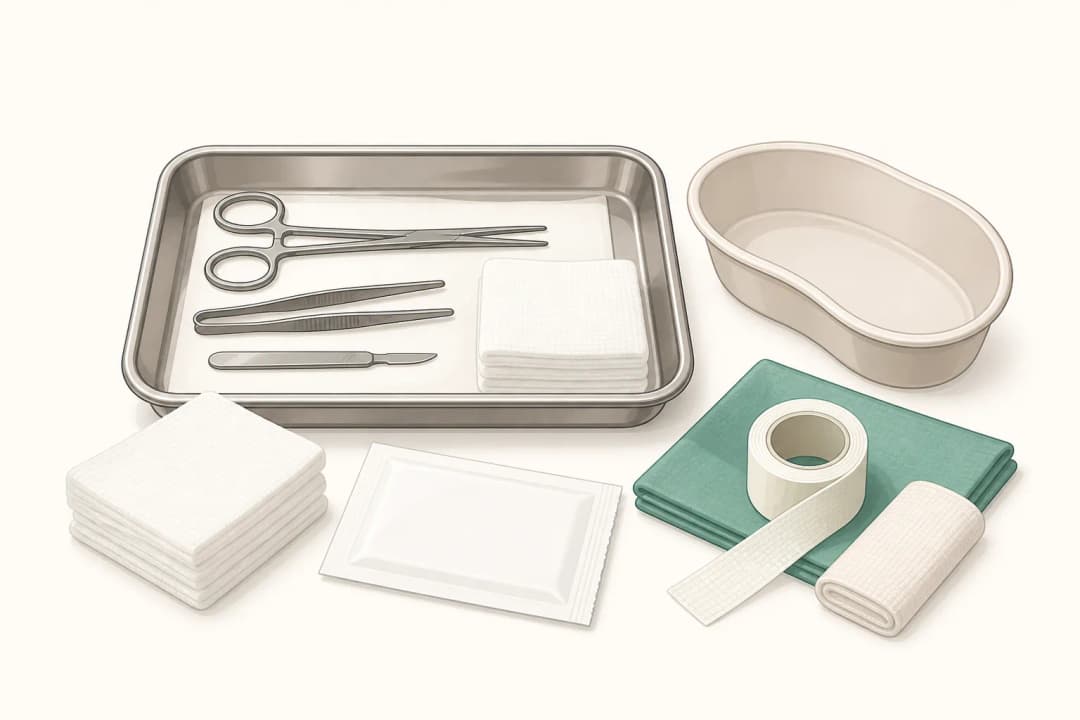
Lidocaine temporarily blocks pain signals in the area where it is injected. Before draining an abscess, the clinician usually cleans the skin and places the anaesthetic around the affected area. Numbing the tissue allows the clinician to make a small opening, release pus and assess the cavity.
An abscess can be very tender, and inflamed tissue may still feel pressure or discomfort despite local anaesthetic. Tell the clinician immediately if you feel sharp pain, dizziness, nausea, palpitations or any unusual symptoms during the procedure.
Caring for the area afterwards
Follow the wound-care instructions you are given. This may include changing a dressing, keeping the area clean, and attending a planned review if packing or a drain has been placed. Take prescribed medicines exactly as directed and avoid squeezing or trying to re-open the area yourself.
The local numbness wears off. Protect the area while sensation is reduced, because heat or friction can cause injury without being noticed straight away.
When to get urgent help
Seek urgent medical review if redness spreads, pain or swelling increases, fever develops, pus continues to collect, or the dressing becomes soaked with blood. Get emergency help for trouble breathing, swelling of the lips or face, collapse, or a rapidly worsening illness. Abscesses near the eye, on the face, or around the genitals need prompt clinical assessment.
Questions to ask
Ask how to change the dressing, whether you need a follow-up visit, and which symptoms mean the infection may be worsening. Tell the clinician about previous reactions to local anaesthetic, blood-thinning medicines, and any allergies.
Find care
General Clinics & Polyclinics in Abu Dhabi
That answer is general. If you want it applied to your own case, these are licensed general clinics & polyclinics listed in Abu Dhabi.
27 Ar Ruwwad St - Shakhbout City - MSH4 - Abu Dhabi - United Arab Emirates
Accepts: Daman, Thiqa, Cigna, MetLife +20 more
Al Ruwais, Al Dhafrah
Accepts: Daman, Thiqa, AXA, Cigna +16 more
Al Bahyah - Al Bahyah Old - Abu Dhabi - United Arab Emirates
Accepts: Daman, Thiqa, Cigna, Allianz Care +18 more
Abu Dhabi
Accepts: Daman, Thiqa, AXA, Cigna +27 more
Ordered by verification status and how complete each clinic's public record is, then alphabetically. This is a directory listing, not a ranking — Zavis does not rate or recommend providers.
A factual listing drawn from the DHA, DOH and MOHAP licence registers. It is not a referral, an endorsement, or advice that any of these providers is right for you.
Questions people ask
Will lidocaine put me to sleep?
No. Lidocaine used as a local anaesthetic numbs a specific area while you remain awake.
Why might I still feel pressure during drainage?
Local anaesthetic reduces pain signals, but pressure or discomfort can still be felt, particularly in inflamed tissue. Tell the clinician if pain is sharp or difficult to tolerate.
Related
Related reading
Keep reading
Medical disclaimer. This page is general health information, not medical advice, and it cannot diagnose you. Always consult a licensed healthcare provider about your own symptoms and treatment. In an emergency in the UAE, call 998 for an ambulance.